
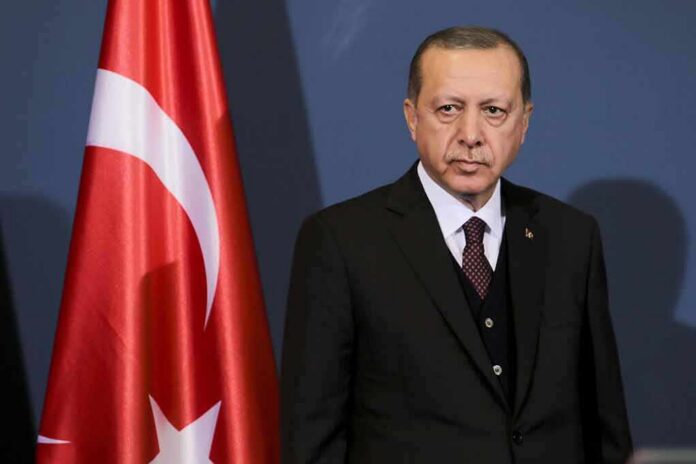
Pakistan, Saudi Arabia, and Turkey have signed a new defense pact that says an attack on one is an attack on all.
Quick Take
- The three countries signed the Mecca Joint Defence Agreement in Saudi Arabia.
- The pact says an armed attack on any one member will be treated as an attack on all three.
- The agreement builds on the earlier Saudi-Pakistan mutual defense deal from September 2025.
- Officials said the pact is meant to strengthen deterrence, security coordination, and regional stability.
Collective Defense Clause Reshapes Regional Signaling
Pakistan, Saudi Arabia, and Turkey signed a trilateral defense agreement in Mecca on Friday, and the core language is blunt: an armed attack on one will be treated as an attack on all. Pakistan’s foreign ministry said the deal is meant to strengthen collective deterrence against aggression. That puts the pact in the same broad family as mutual defense arrangements that promise a shared response when one member is hit.
The public announcement matters because it turns loose talk into an official commitment. Reuters reported in January that Pakistan’s defense-production minister said a draft pact had already been formed after nearly a year of talks, but the final signing only came now. The new agreement also expands the earlier Saudi-Pakistan Strategic Mutual Defence Agreement, which already treated aggression against one side as aggression against both. Turkey’s entry gives the arrangement a wider regional reach.
What the Agreement Says
According to the reports, the three governments presented the pact as a collective security move, not just a paper gesture. The agreement was signed by Saudi Crown Prince Mohammed bin Salman, Turkish President Recep Tayyip Erdoğan, and Pakistani Prime Minister Shehbaz Sharif, showing direct political backing at the top level. That kind of leader-level signing sends a clear signal that the pact is meant to be taken seriously by allies and rivals alike.
Public reporting also says the agreement focuses on deeper defense cooperation, including military coordination, training, and broader security ties. Some reports say officials linked it to joint exercises, intelligence sharing, and defense production, though the full text was not made public in the material provided. That leaves the exact operational rules unclear, but the headline commitment is not: each state is now promising to stand with the others if attacked.
Why Conservative Readers Should Pay Attention
For conservative readers, the story is less about diplomatic theater and more about hard power and deterrence. The pact reflects a world where nations are looking for strength, not lectures from global institutions that often fail to stop violence. It also shows how fast security lines can move when regional leaders decide they no longer want to rely on open-ended promises or distant allies alone.
BIG BREAKING 🚨
Turkey, Saudi Arabia, and Pakistan sign Mecca Agreement defense pact:
"Any military attack against any of the three countries will be viewed as an attack on all three."
Muslim NATO in effect? pic.twitter.com/VZB3a2jsPM
— Megh Updates 🚨™ (@MeghUpdates) August 7, 2026
The deal also builds on a pattern already visible in earlier reporting. Reuters said in August that the same three countries were moving toward a joint defense agreement amid regional turmoil, and the final signature followed that report. The broader takeaway is simple: Pakistan, Saudi Arabia, and Turkey have now turned months of signals and drafts into a formal pact with a collective-defense clause, and that will affect how power is measured across the region.
Sources:
insiderpaper.com, reuters.com, timesnownews.com, houseofsaud.com, en.wikipedia.org, bloomberg.com, roic.ai, dailysabah.com, turkishminute.com, facebook.com