
Ukraine says it can hunt Russian missile launchers with U.S. help, and Washington already sent the missiles to reach them.
Story Snapshot
- Ukraine has U.S.-made long-range missiles that can hit launchers inside Russia.
- Kyiv reports strikes on Russian Iskander launchers in Bryansk region; damage still under review.
- Analysts say launcher hunting can save lives but needs steady missiles and good intel.
- Earlier U.S. limits on cross-border strikes have eased in narrow ways, proving the option exists.
What Ukraine Can Hit And With What
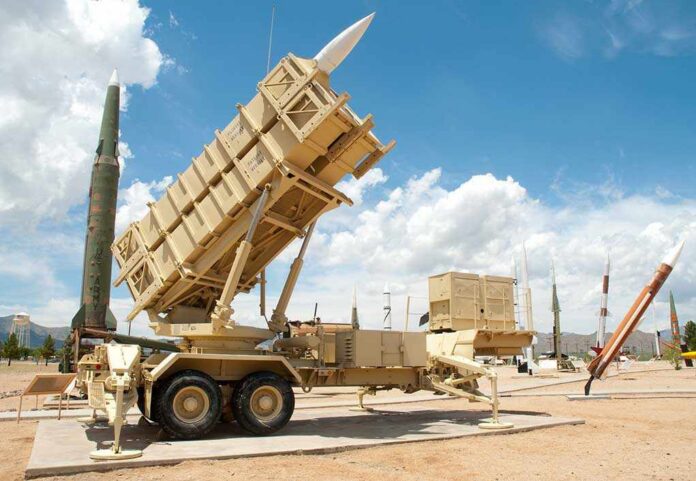
Ukrainian forces now field U.S.-made Army Tactical Missile System ballistic missiles with a range of about 190 miles. These missiles launch from High Mobility Artillery Rocket System trucks that America has already supplied. The range lets Ukraine target airfields, depots, and mobile launchers near the border. Reports describe successful attacks on air-defense systems, naval assets, and logistics hubs using these long-range missiles when targets are within reach and properly found.
Ukraine argues that stopping Russian missile barrages starts with destroying the launchers. The claim is simple: fewer launchers mean fewer deadly salvos at cities. Kyiv says the missiles provided by the United States can reach those systems when they appear inside that 190-mile envelope. Supporters add that every launcher destroyed or pushed back buys time for air defenses and reduces pressure on frontline troops and civilians hit by recurring strikes.
Fresh Strikes And What We Know
Ukraine’s General Staff reported that its forces struck two Russian Iskander operational-tactical missile launchers and a Pantsir air-defense system in Russia’s Bryansk region. The statement said officials were still assessing the level of damage after the attack. Independent evidence confirming destruction has not been published with that report, so the exact outcome remains unverified. The basic fact is clear: Ukraine is attempting to hit the systems that launch missiles at its cities.
Past long-range strikes show what these weapons can do when used well. Public reporting cites impacts on air-defense batteries, ammunition depots, command nodes, and even Russian naval assets. Independent groups have matched some strikes to geolocated images. That record backs the idea that long-range missiles have real effect against valuable targets when intelligence and timing line up. But it also shows results vary and require sustained effort to shape the battlefield.
Policy Shifts And The Red Lines Debate
Under the last administration, Washington set tight rules on using U.S. weapons inside Russia. Those lines later eased in limited ways, including permission to defend key areas like Kharkiv with cross-border shots. That change proved the tool is not theoretical. It also showed how policy signals shape the fight: when the United States opens a narrow door, Ukraine can exploit windows to hit active threats across the line when needed.
Moscow’s threats and warnings continue, but America cannot let bluster decide whether civilians live or die. The core U.S. interest is reducing the slaughter of innocents and stopping wider war. Targeting active launchers is aimed at the weapons used to bomb apartments, power plants, and hospitals. Careful rules, precise intelligence, and lawful targeting can hit military systems while avoiding civilian harm. That is how strength and restraint work together in U.S. policy.
The Hard Part: Inventory, Intelligence, And Real Effects
Serious analysts stress that hunting mobile launchers is possible but hard. Mobile systems move fast and hide well. The Royal United Services Institute says strikes must fit a wider plan, with a coherent target set, steady missile stocks, rapid intelligence, and follow-up attacks. Done that way, launcher strikes can reduce casualties. Done as one-off shots, the effect fades as launchers shift positions and resume fire from safer ground.
Reports also say U.S. inventories are not endless, and Ukraine will need a reliable flow of missiles to keep pressure on launcher crews. Range matters too. A 190-mile reach cannot cover every Russian firing point, especially if units pull back after launches. These facts argue for better sensors, faster targeting, and smart missile use. They argue against hesitation that only rewards the side raining missiles on civilians.
Sources:
youtube.com, economictimes.indiatimes.com, rusi.org, english.nv.ua