Iran didn’t just hit a Saudi air base—it aimed at the flying gas stations that keep America’s entire air war alive.
Story Snapshot
- Iran launched a missile-and-drone strike on Prince Sultan Air Base near Riyadh on March 27, 2026, injuring about 10 U.S. service members, with two reported as seriously wounded.
- Open-source satellite imagery showed heat signatures and apparent damage on the aircraft apron the same day, feeding a fast-moving, hard-to-confirm story.
- Reports indicated U.S. KC-135 Stratotanker refueling aircraft were damaged, with some accounts suggesting at least one tanker was destroyed.
- The Pentagon and Saudi defense leadership offered little immediate public detail, leaving media and imagery analysis to fill gaps.
Prince Sultan Air Base: Why This Target Changes the War Math
Prince Sultan Air Base sits near Riyadh, far from the border but close to the heart of U.S. air operations in the region. The base hosts high-value aircraft and supports the U.S. 378th Air Expeditionary Wing, including airborne early warning, intelligence platforms, and—most consequential here—aerial refueling. When Iran targets tankers, it targets time, distance, and persistence: the trio that lets U.S. jets stay aloft, strike, and return safely.
Iran’s March 27, 2026 strike reportedly combined missiles and drones and injured roughly 10 U.S. personnel, with early reporting describing two serious cases and others counted as “serious” under military injury categories. That wording matters. “Serious” can cover everything from major shrapnel wounds to injuries that stabilize quickly but require evacuation and surgery. Without a formal Pentagon briefing, the public gets a fog-of-war mix of numbers and adjectives.
What Satellite Heat Signatures Really Tell You—and What They Don’t
Satellite imagery, including shortwave infrared that detects heat, can prove something burned, when it burned, and roughly where. That’s powerful in a region where official statements often trail events. It’s also limited: heat doesn’t identify the munition, the shooter, or the precise aircraft tail number. Still, when multiple outlets converge on the same apron area and the same day, the most common-sense reading is also the bluntest: something on the ramp caught fire after an attack.
Confusion followed quickly because Prince Sultan had already appeared in earlier March reporting—intercepts, impacts, and claims of damage that turned into political arguments back home. When leaders downplay earlier hits while imagery and officials hint at worse, credibility becomes its own battlefield. Americans over 40 have seen this movie before: official silence invites speculation; speculation hardens into “fact” on social media; the correction—if it comes—arrives too late to matter.
Why KC-135 Tankers Are a Strategic Bullseye, Not Just Big Airplanes
A KC-135 Stratotanker looks like an old airliner because it basically is—long-serving, heavily used, and indispensable. In a fight spread across large distances, refueling aircraft create freedom of maneuver for everything else. Take even a few tankers offline, and sortie rates drop, loiter time shrinks, and planners start making ugly tradeoffs. Iran’s targeting logic aligns with a reality conservatives grasp instinctively: logistics decides wars, not press releases.
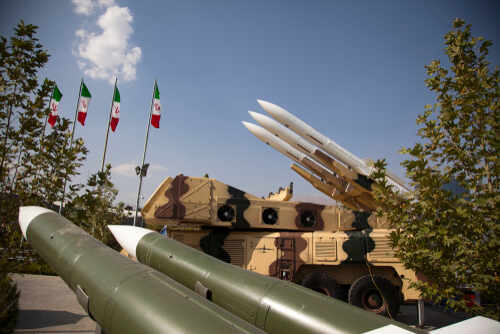
The reported mix of ballistic missiles and drones also fits a pattern: saturate defenses, force expensive intercept decisions, and slip at least some weapons through. Saudi air defenses and allied systems can shoot down threats, but they cannot guarantee perfection, especially against mixed salvos that arrive with different speeds, altitudes, and radar signatures. The attack’s implied message wasn’t subtle—U.S. assets can bleed even in places once treated as “rear areas.”
Escalation Pressure: When No One Wants a Wider War but Everyone Prepares for One
By late March 2026, reporting described a broader U.S.-Iran conflict with significant U.S. casualties over weeks of operations and retaliatory strikes across the region. That context matters because it turns one airbase hit into a referendum on deterrence. Iran benefits when it shows reach; the U.S. benefits when it shows resolve. Saudi Arabia benefits when it protects its territory without becoming the war’s permanent punching bag. Those interests overlap—until they don’t.
Official restraint in public messaging can be operationally wise, but prolonged silence also encourages the worst American habit: treating national security as a partisan Rorschach test. The cleanest conservative standard here is simple: protect Americans first, tell the truth as fast as prudence allows, and match words to capability. Downplaying damage may soothe a news cycle, but it rarely reassures the families watching for a phone call that says their loved one is okay.
What Comes Next: Dispersal, Hardening, and the Price Tag No One Wants to Discuss
If tankers suffered real damage, commanders face immediate decisions: disperse aircraft to more bases, harden parking areas, increase sheltering, and move high-value assets off predictable ramps. That costs money and tempo, and it forces diplomatic bargaining with host nations that may not want louder U.S. footprints. The longer game points to a sober conclusion: in 2026, fixed bases within standoff range are never “safe,” only “managed.”
DEVELOPING: 10 US Service Members Seriously Injured in Iranian Missile Attack on Prince Sultan Airbase in Saudi Arabia https://t.co/akM2061Kue #gatewaypundit via @gatewaypundit
— Thomas Register (@Gregister) March 28, 2026
The most credible near-term picture combines three elements: reported injuries, imagery showing fires on the apron, and repeated Iranian attempts to pressure U.S. operations in and around Saudi Arabia. The uncertain pieces remain important—exact aircraft losses, exact injury severity, and what Washington will do next. That open loop is the real headline. When refueling infrastructure becomes the target, every future sortie quietly carries a new question: how many tankers are left to fuel it?
Sources:
https://theaviationist.com/2026/03/27/iranian-attack-on-prince-sultan-air-base/
https://www.airandspaceforces.com/us-forces-saudi-arabia-iran-attack/
https://www.cbsnews.com/news/10-americans-injured-in-iranian-attack-on-saudi-airbase/