America’s Iran war just widened into a multi-front proxy fight—while frustrated Trump voters ask how “no new wars” turned into missile alerts from Yemen to Israel.
Quick Take
- Yemen’s Iran-backed Houthis formally entered the 2026 Iran war on March 28 by firing ballistic missiles toward southern Israel; the first was intercepted with no reported casualties.
- The move expands the conflict beyond Iran, Israel, and the United States, raising the risk of sustained attacks from the Red Sea and Arabian Peninsula.
- The U.S. responded the same day by deploying about 2,500 Marines from the 31st Marine Expeditionary Unit as the Strait of Hormuz remains a key strategic pressure point.
- Regional stakes include threats to shipping and energy markets, plus higher danger to U.S. forces at Middle East bases already targeted by Iranian strikes.
Houthis Open a New Front With Ballistic Missile Fire
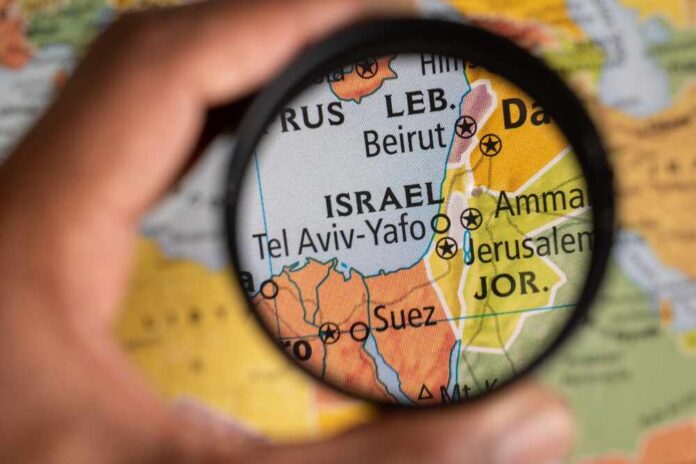
Houthi forces in Yemen launched ballistic missiles toward Beersheba in southern Israel on March 28, after a spokesman delivered a public statement. Reporting indicates Israeli defenses intercepted the first missile and no casualties were reported. A second missile was later launched toward Eilat. The Houthis described their targets as “sensitive” military sites and said attacks would continue until what they call aggression stops across “resistance fronts.”
For Israel, the operational significance is direction as much as volume. Missiles coming from Yemen add another axis to an already complex air-defense challenge, with Iran and Hezbollah activity in the region still part of the broader war environment. For Americans watching at home, the bigger takeaway is escalation logic: proxy forces that once harassed shipping and lobbed sporadic strikes are now presenting themselves as formal participants in an active war.
War Timeline: From “Epic Fury” to Regional Dominoes
The current war began in late February when the United States and Israel launched Operation Epic Fury, described as nearly 900 strikes over 12 hours aimed at Iranian military infrastructure and senior leadership, including Supreme Leader Ali Khamenei. Iran then retaliated with large missile salvos and drones against Israel and U.S. bases across the Middle East. By early March, Hezbollah escalated attacks, and Israeli ground forces entered Lebanon in the first land-based clashes.
That chronology matters because Houthi entry did not arrive out of nowhere. Analysis cited in the research indicates the group spent weeks preparing—building forces, recruiting fighters, expanding weapons production, and positioning along Yemen’s western Red Sea coast. The Houthis had also issued warnings that they would join the war if U.S. allies participated in operations against Iran, and had threatened Gulf states over any role in Strait of Hormuz activities.
Why This Hits Americans: Shipping, Energy, and a Bigger U.S. Footprint
The practical U.S. concern is not limited to Israel’s missile defense. Houthi capabilities and geography create pressure on international shipping lanes and can complicate maritime security near the Red Sea while Iran pressures the Strait of Hormuz. The war has already produced significant deaths and displacement across the region, alongside travel disruption affecting hundreds of thousands of stranded travelers. When the conflict spreads, the bill often shows up in energy prices, insurance premiums, and ultimately household costs.
On the same day as the Houthi strike, the United States deployed roughly 2,500 Marines from the 31st Marine Expeditionary Unit to the Middle East, tied to efforts to keep the Strait of Hormuz open. That reinforcement signals that Washington is planning for a longer, broader contingency—not simply an exchange of strikes. It also increases the number of Americans placed within range of retaliatory attacks against regional bases, a risk that grows as more actors join the battlefield.
Yemen’s Own Government Condemns the Proxy Pull Into War
The internationally recognized Yemeni government condemned Iran’s attempts to “drag Yemen” into the conflict through what it called “terrorist militias,” underscoring that the Houthis do not represent Yemen as a unified state actor. That split highlights a recurring dynamic in Middle East conflicts: proxy armies act, civilians pay, and neighboring states face retaliation whether or not they want a seat at the table. The exact Houthi force levels and sustained missile capacity remain unclear.
Yemen's Houthis join Iran conflict, launch missiles at Israel https://t.co/AicM5Rchb2
— Just the News (@JustTheNews) March 29, 2026
For a conservative audience that has watched decades of open-ended interventions, the key question is what “winning” looks like and how quickly escalation can be contained. The facts available show expanding fronts, new deployments, and competing claims of legitimacy. Until clearer objectives and boundaries are articulated—and enforced—this war’s trajectory risks drifting toward the kind of indefinite regional entanglement that many Trump supporters believed they had already voted to end.
Sources:
War US-Israel vs Iran Timeline 2026