President Trump warns Iran that U.S. forces will stay deployed until a “real agreement” blocks nuclear weapons and secures the Strait of Hormuz—or face unprecedented military escalation.
Story Highlights
- Trump orders sustained U.S. military presence around Iran post-ceasefire to enforce no nukes and open Hormuz.
- Defense Secretary Pete Hegseth confirms forces will “hang around” for compliance.
- Two-week ceasefire holds fragilely amid Iran’s degraded military and pending Islamabad talks.
- Recent U.S. rescue op surged 150+ aircraft into Iran, destroying assets to protect tech.
Trump’s Firm Directive on Truth Social
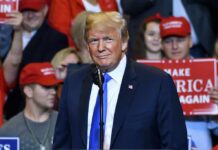
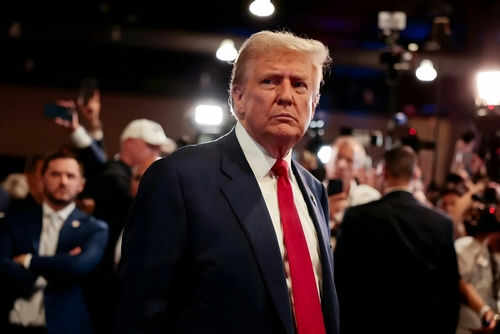
On April 8, 2026, President Donald Trump posted on Truth Social that all U.S. ships, aircraft, military personnel, ammunition, and weaponry remain deployed in and around Iran. This stance enforces a “real agreement” fully complied with, demanding no nuclear weapons for Iran and an open Strait of Hormuz. Trump warned non-compliance triggers “Shootin’ Starts, bigger, and better, and stronger than anyone has ever seen before.” The announcement came late evening, one hour after a ceasefire began, just before his strike deadline. This move underscores American resolve to protect vital interests against threats from a regime long hostile to U.S. security and global stability.
Ceasefire Context and Recent Operations
The two-week ceasefire followed joint U.S.-Israel strikes on Iran starting February 28, 2026, amid a U.S. military buildup in the Middle East. Recent operations saw over 150 aircraft surge into Iran for a search-and-rescue of a downed F-15E aviator. U.S. forces destroyed two stranded transport planes to safeguard sensitive technology. These actions preceded the ceasefire, with Iran’s military now substantially degraded. Peace talks loom in Islamabad, but Iran’s government calls permanent negotiations “illogical” after Israeli strikes on Lebanon killed over 250. U.S. deployments form a naval armada and high-alert air assets focused on the Hormuz Strait, critical for global oil transit.
Key Stakeholders and Power Dynamics
President Trump directs policy as commander-in-chief, emphasizing “America is back” dominance to deny Iran nukes and secure Hormuz. Defense Secretary Pete Hegseth echoes this, stating U.S. forces “not going anywhere” and will “hang around” to enforce compliance. The Pentagon manages operations, including rescues and asset protection. Israel conducts strikes complicating dynamics, while Iran seeks de-escalation but resists amid pressures. U.S. leverage stems from superior forces against a weakened Iran, signaling strength that deters aggression and protects American interests rooted in peace through strength.
Economic and Strategic Implications
Short-term, sustained U.S. alert risks ceasefire breach, potentially sparking larger action. Long-term, success could force a nuclear denial and Hormuz deal, reshaping Middle East power in favor of stability. Open Hormuz prevents oil disruptions that spike global prices, shielding American families from energy costs. Affected include Iran’s degraded forces, Hormuz-area populations, and Lebanese civilians from strikes. Defense operations continue; energy markets stay volatile. This aligns with priorities of limited entanglements abroad while firmly countering threats to U.S. prosperity and security.
Expert Views and Uncertainties
Defense analysts view the U.S. armada as positioned for rapid escalation, crediting Trump’s rhetoric for enforcement. Pentagon briefings noted no pre-war Iranian threat intelligence, echoing past tensions like the Soleimani strike. Pro-U.S. perspectives see decisive victory ensuring compliance; skeptics highlight ceasefire fragility from Israeli actions. Iranian claims undermine talks via external strikes. Core claims verify across sources, with minor phrasing differences and unconfirmed ceasefire details. Both conservatives and liberals share frustration with endless foreign entanglements that drain resources without clear victories for the American people.
Sources:
US military to remain deployed around Iran until “real agreement” is complied with: Trump
Trump: U.S. Military Will Remain Deployed Near Iran Until a Real Agreement Is Reached
Trump says US military to stay deployed near Iran until ‘real agreement’ reached
US deployed more than 150 aircraft to rescue downed aviator in Iran
Iran war latest news: Trump, NATO members