
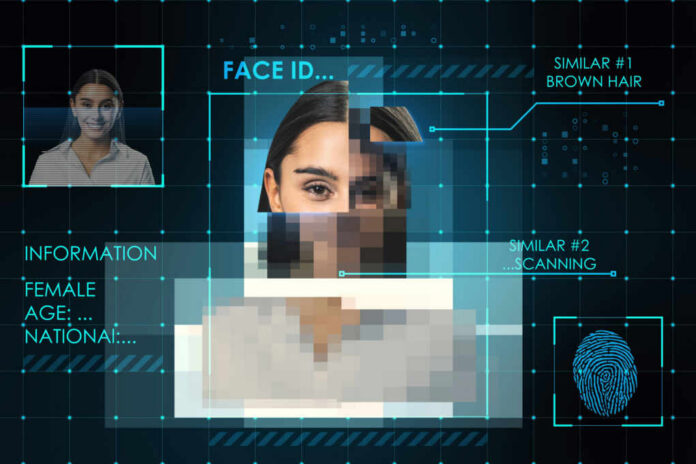
Mexico’s government is rolling out a mandatory biometric national ID system that collects fingerprints, facial photos, and iris scans on every citizen, raising alarm bells about government surveillance and data security in a nation plagued by corruption and cyber vulnerabilities.
Story Snapshot
- Mexico mandates biometric CURP IDs with fingerprints, facial recognition, and iris scans starting March 2026
- Centralized database links citizen biometrics to forensics, missing persons records, and government services
- Critics warn of surveillance overreach and data breach risks in corruption-prone environment
- System required for banking, healthcare, education, and property transactions nationwide
Mandatory Biometric Collection Raises Red Flags
Mexico’s Chamber of Deputies approved sweeping reforms in July 2025 converting the existing CURP registry into a mandatory biometric identification system. Citizens must now submit fingerprints, facial photographs, and potentially iris scans to access basic services including banking, healthcare, education, and property purchases. The government frames this as modernization, but the reality is a centralized database containing the most sensitive biological data of every Mexican citizen, accessible to federal and state agencies with minimal oversight or accountability mechanisms in place.
Centralized Control Through Digital Identity Platform
The Plataforma Única de Identidad creates a single government-controlled database linking civil registries, forensic records, cemetery data, and missing persons information. While officials claim this addresses Mexico’s crisis of over 100,000 missing persons since 2006, the system grants security agencies broad access to biometric data for investigations. The phased rollout began in October 2025 in Veracruz, Mexico City, and Mexico State, with nationwide mandatory compliance targeted for February 2026. Citizens can no longer opt out—the biometric CURP replaces the previous alphanumeric system as the sole official identification method.
Privacy Concerns Meet Government Overreach
Cybersecurity experts and privacy advocates have sounded alarms about centralized biometric storage in a country with documented data breach vulnerabilities and institutional corruption. Unlike decentralized systems that protect individual liberty, Mexico’s approach concentrates unprecedented personal data in government hands. Courts in Yucatán initially suspended enforcement, recognizing legitimate concerns, but federal authorities pushed through. The government’s simultaneous clearing of a mandatory phone registry linked to the biometric system further expands surveillance capabilities. These developments mirror globalist digital ID schemes that prioritize state control over personal freedom and constitutional protections against unreasonable searches.
Economic Streamlining Cannot Justify Constitutional Risks
Proponents argue biometric verification will reduce fraud in banking and pensions while improving service delivery, valid goals that resonate with efficiency-minded citizens. However, these benefits come at an unacceptable cost to personal privacy and autonomy. The OECD noted Mexico’s declining Digital Government Index score in 2025, questioning the nation’s readiness for such ambitious implementation. Thomson Reuters highlighted operational gaps including inadequate training and infrastructure concerns. Biometric technology firms stand to profit from vendor contracts while everyday Mexicans sacrifice fundamental privacy rights. The precedent this sets for Latin America should concern anyone who values limited government and individual sovereignty over administrative convenience.
Mexico’s biometric CURP represents a troubling expansion of government power cloaked in the language of modernization and public safety. When authorities demand citizens surrender their fingerprints, facial data, and iris scans for a centralized database accessible to security agencies, that crosses the line from reasonable governance to surveillance state infrastructure. The mandatory nature leaves no room for conscientious objection or alternative verification methods, forcing compliance under threat of exclusion from essential services. Americans watching from the north should recognize these tactics as the same globalist playbook that erodes constitutional protections in the name of efficiency and security—a trade our founders explicitly rejected.
Sources:
Mexico Approves Biometric CURP ID, Transforming Identity Landscape and Missing Persons Search
Mexico’s Biometric CURP Enters Official Use, Phased Mandate Targets February 2026
Mexico’s Biometric CURP Implementation Under Way as OECD DGI Score Dips
Mexico Launch Biometric CURP 2026 Despite Concerns
Mexico Court Clears Path for Mandatory Phone Registry Linked to Biometric CURP