After U.S. strikes on Iran, the FBI is warning Americans to brace for potential retaliation at home—even as officials say no specific plot has been confirmed.
Quick Take
- FBI Director Kash Patel put counterterrorism and counterintelligence teams on “high alert” after U.S.-Israel military action against Iran.
- Officials reported no specific, credible threat so far, but flagged hostile online rhetoric from pro-Iran groups, including activity monitored in New York.
- The FBI-NYPD Joint Terrorism Task Force is tracking developments while watching for any shift involving Hezbollah or other Iranian-aligned networks.
- DHS Secretary Kristi Noem is coordinating threat monitoring as DHS faces a lack of full congressional funding.
Patel orders a high alert after Iran retaliation fears spike
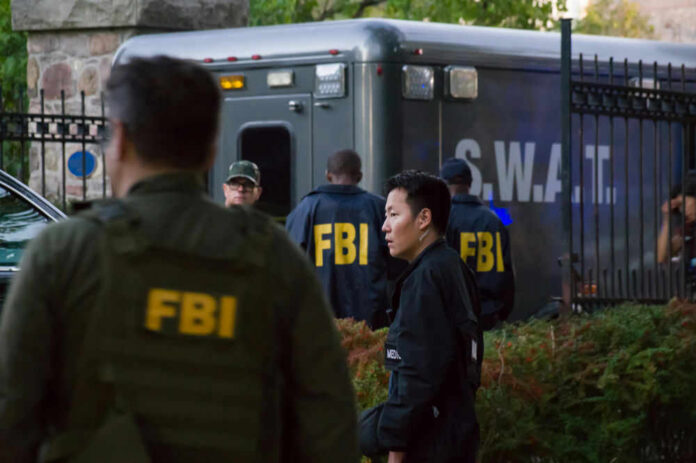
On Saturday, February 28, 2026, FBI Director Kash Patel directed the bureau’s counterterrorism and counterintelligence teams to move into a heightened posture after a sweeping U.S.-Israel assault on Iran raised concerns of retaliation. Patel said he instructed teams to be “on high alert” and to mobilize supporting security assets as needed. Officials stressed that the bureau had not identified a specific threat to the homeland, even as tensions escalated sharply after the strikes.
That distinction matters for the public: “high alert” is a readiness posture, not proof that an attack is imminent. The current information described by officials centers on monitoring and prevention—watching for direction, financing, travel, or communications that could indicate an operational plot. The FBI’s tasking reflects the reality that hostile rhetoric can stay online, but it can also be used to recruit or signal. For law enforcement, separating bluster from planning is the critical, ongoing job.
New York monitoring reflects past Iran-linked plots on U.S. soil
Federal officials pointed to New York as a focal point for monitoring, with the FBI-NYPD Joint Terrorism Task Force reviewing social media activity tied to pro-Iran groups. The attention to New York is not random. U.S. authorities previously alleged Iranian operations targeting critics and dissidents on American soil, including a 2021 kidnapping-related plot and a 2022 attempted assassination against journalist Masih Alinejad—incidents Iran denied. Those precedents shape today’s posture, especially after major military escalation.
Officials described current pro-Iran messaging as hostile but not operational. That is a narrow but important line: hostile speech alone does not equal a coordinated attack plan, and Americans retain First Amendment protections even when views are ugly or inflammatory. At the same time, the Constitution does not require the federal government to ignore warning signs, and national security agencies typically treat foreign-influence-linked networks differently than purely domestic political activity. The challenge is maintaining vigilance without turning suspicion into blanket surveillance.
Hezbollah remains a key variable as the U.S. weighs escalation
Authorities also focused on Hezbollah, the Iranian-backed group long viewed by U.S. officials as a potential proxy for retaliation. Reporting indicates Hezbollah’s posture could depend on the scope of U.S. action, particularly whether Iran’s Supreme Leader is targeted. That kind of conditionality is exactly why analysts watch for “policy shifts” inside proxy networks: a change in guidance can quickly alter threat calculations for U.S. interests abroad and, in worst cases, for targets inside the United States.
This is where sober risk assessment beats political theater. A high alert does not mean panic; it means agencies assume the possibility of asymmetric response after a direct confrontation. For everyday Americans, the most concrete takeaway is that the threat environment can tighten quickly after U.S. military action—especially when adversaries have a history of clandestine activity. While the FBI says it has no specific threat, the bureau’s work suggests officials are trying to stay ahead of a fast-moving situation.
DHS funding gaps collide with a real-world security moment
DHS Secretary Kristi Noem is coordinating threat monitoring with federal partners even as DHS lacks full congressional funding, according to reporting. Readiness depends on staffing, overtime, technology, intelligence sharing, and the ability to surge resources into major metros or sensitive facilities. When Washington runs on partial funding, the public is asked to trust that agencies can do more with less. Conservatives who have watched years of bureaucratic bloat will recognize the irony: government always finds money for pet agendas, but basic security funding becomes a cliffhanger.
Based on the available reporting, the public evidence remains limited to official readiness steps and monitoring activity, not a confirmed plot. That should temper overheated speculation while still taking the warning seriously. The practical standard for a free society is clear: defend the country without treating ordinary citizens like suspects. If agencies keep the focus where it belongs—foreign-linked threats, credible indicators, and lawful investigative methods—Americans can stay safe without surrendering the constitutional liberties that define the nation.
Sources:
FBI Raises Terrorism Alert Over Fears of Retaliation by Iran
IC3 FBI flash (Feb. 19, 2026) on rising “ATM jackpotting” malware incidents