As Americans watch a new Middle East war unfold, the White House is getting dragged into a culture-war sideshow after President Trump publicly celebrated the death of former Special Counsel Robert Mueller.
Quick Take
- Robert Mueller died March 20, 2026, at age 81, and President Trump posted the next day that he was “glad” Mueller was dead.
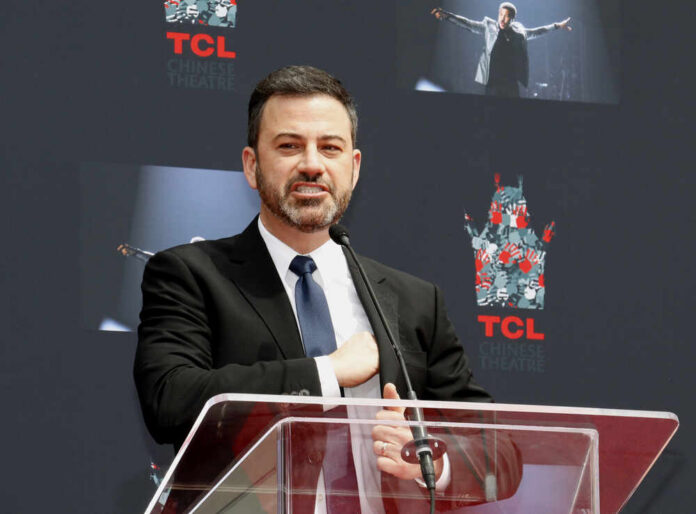
- Jimmy Kimmel used his March 24 monologue to blast Trump’s message as petty and unpresidential while praising Mueller’s military and public service.
- The blowup landed amid larger national strains, including a partial government shutdown affecting airport operations and a fourth week of U.S. action against Iran.
- Some Trump allies defended the post by pointing to long-running anger over the Russia investigation and later law-enforcement actions like the Mar-a-Lago raid.
What Trump Posted—and Why It Landed So Hard
President Trump’s Truth Social post—“Robert Mueller just died. Good. I’m glad he’s dead. He can no longer hurt innocent people”—reignited a feud rooted in the 2016 election and the special counsel probe that followed. The timeline is straightforward: Mueller died March 20, Trump posted March 21, and the media reaction surged after late-night coverage on March 24. The message was framed as personal grievance, not policy, which is why it cut across ideological lines.
Mueller’s public profile wasn’t limited to the Russia investigation. He served as FBI director from 2001 to 2013 under Presidents George W. Bush and Barack Obama and was described in coverage as a decorated Vietnam veteran with a Purple Heart and Bronze Star. That record made the celebratory tone of Trump’s post the central controversy. Even many conservatives who distrust the Russia probe recognize the difference between criticizing an investigation and cheering a death.
Kimmel’s Monologue Turned a Political Flashpoint into Pop Culture Ammo
Jimmy Kimmel used ABC’s Jimmy Kimmel Live! on March 24 to attack the president’s comments, calling Trump a “petty little b*tch” and arguing he “could have kept his mouth shut.” Kimmel contrasted Mueller’s service with Trump’s history of Vietnam-era draft avoidance, then mocked defenders who treated the post as justified payback. The segment functioned as commentary rather than reporting, but it amplified the story into a larger “character” debate.
Coverage also highlighted an important reality about political media bubbles: not every major story penetrates every audience. Reporting noted an apparent lack of attention from some conservative outlets, while other mainstream and entertainment-focused publishers pushed clips and write-ups that spread quickly online. The practical takeaway is that voters often encounter the same event through radically different filters—especially in wartime, when attention is already split between foreign-policy stakes and domestic pressures.
Why This Matters to MAGA Voters Focused on War, Borders, and Inflation
The sharpest frustration among Trump-leaning voters in 2026 is not late-night mockery—it’s the feeling that Washington never learns. With the U.S. now in a war posture involving Iran, many MAGA supporters are divided over how far America should go and what obligations exist toward allies, including Israel. That backdrop makes any unforced distraction costly. When the commander in chief is seen feeding grievances online, it competes with public demands for clarity on war aims, costs, and an exit strategy.
The research tying this story to broader turbulence matters because it shows how quickly governance problems stack up. Separate reporting connected the moment to a partial government shutdown affecting TSA pay and airport operations, and to an “excursion” into Iran described as entering its fourth week. Those facts don’t prove cause-and-effect between a Truth Social post and policy outcomes, but they do show the public environment: strained institutions, high tensions, and a premium on discipline from leadership.
The Defense from Trump Allies—and the Limits of That Argument
One defense highlighted in coverage came from Treasury Secretary Scott Bessent, who pointed to the lasting resentment over the Russia probe and referenced the Mar-a-Lago raid as part of why Trump feels wronged. That argument may resonate with voters who believe the investigation was politicized. Still, the factual weakness is obvious: Mueller retired long before the 2022 raid, and the post did not make a narrow legal critique—it celebrated a death. That’s a tougher sell to Americans who value decorum.
Politically, the incident appears contained to a short news cycle, with no reported retraction or formal follow-up from the president in the provided research. But the longer-term risk is cumulative: moments like this can harden cynicism and distract from constitutional priorities—war powers oversight, spending restraint, and accountability in executive communications. Voters who demanded “no new wars” and tighter focus on borders and costs of living are unlikely to be satisfied with grievance-posting replacing sober leadership during a conflict.
Sources:
Petty Little B*tch: Jimmy Kimmel Rips Trump for Cheering Robert Mueller’s Death
Jimmy Kimmel Unloads on ‘Petty Little’ Trump
Jimmy Kimmel rips into Trump over airport security chaos