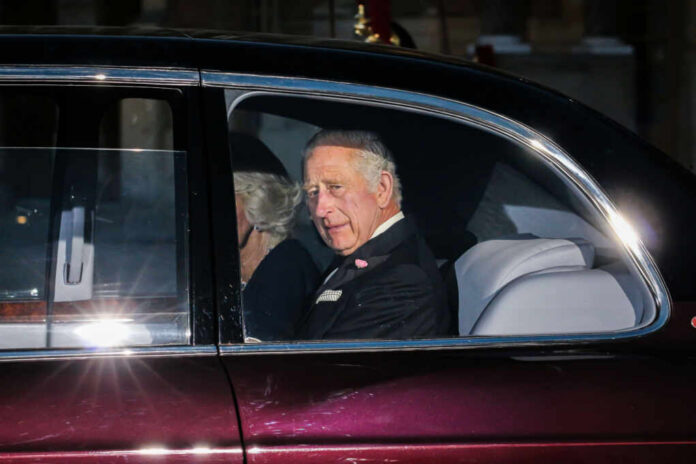
King Charles faces renewed scrutiny over allegations that he accepted millions in cash from foreign donors while British police quietly dropped corruption investigations, exposing a two-tiered justice system that shields elites from accountability ordinary citizens would face.
Story Snapshot
- British police dropped corruption probe into King Charles’ charity fundraising without explanation, sparking accusations of elite privilege
- Allegations include €3 million cash delivery from Qatari politician in shopping bags and separate scandal involving Saudi donor promised honors
- Former aide Michael Fawcett resigned after letter surfaced offering citizenship help and honors in exchange for donations exceeding $2 million
- Critics argue Metropolitan Police apply different standards to royalty versus ordinary citizens facing similar money laundering allegations
Elite Accountability Vanishes as Police Drop Royal Probe
Metropolitan Police quietly terminated their corruption investigation into King Charles’ charitable fundraising operations, announcing the decision without providing justification or findings. The probe examined whether former Prince’s Foundation CEO Michael Fawcett improperly promised honors and British citizenship assistance to Saudi billionaire Mahfouz Marei Mubarak bin Mahfouz in exchange for donations exceeding $2 million. Former Cabinet Minister Norman Baker, who filed the original complaint, called it an “open and shut case” of corruption and double standards, emphasizing that ordinary citizens would face prosecution for identical conduct.
Cash-Filled Shopping Bags Raise Money Laundering Questions
A separate allegation claims then-Prince Charles received approximately €3 million in cash from Qatari politician Sheik Hamad bin Jassim bin Jaber Al Thani, reportedly delivered in Fortnum & Mason carrier bags around 2001. British law requires declaration of large cash imports to prevent money laundering, yet no police investigation ever materialized despite the claim surfacing in 2015. Graham Smith, CEO of anti-monarchy group Republic, highlighted the Qatari cash alongside the Fawcett scandal as evidence of systemic favoritism, noting that police routinely investigate commoners for far smaller undeclared amounts. The allegation remains unproven but uninvestigated, fueling perceptions of elite impunity.
Saudi Donor Scandal Exposes Honors-for-Cash Scheme
The Fawcett investigation centered on an August 2017 letter offering Saudi donor Mahfouz assistance securing British citizenship and honors in exchange for substantial charitable contributions. The Mail on Sunday exposed the letter in November 2021, forcing Fawcett’s resignation from his position overseeing royal fundraising for projects including Dumfries House restoration. Mahfouz, who contributed approximately $2 million to royal charities and has a woodland named “Mahfouz Wood” at Castle of Mey, denies wrongdoing. King Charles claims he knew nothing of Fawcett’s promises, though critics argue such significant donor arrangements could not occur without royal knowledge or approval, particularly given the close relationship between Charles and his longtime aide.
Two-Tiered Justice System Undermines Public Trust
The decision to drop investigations without charges or explanation exemplifies why Americans across the political spectrum increasingly distrust government institutions that appear rigged to protect the powerful. While prosecutors aggressively pursue working-class citizens for minor financial infractions, elites like King Charles receive kid-glove treatment despite credible allegations involving millions in questionable foreign donations. This pattern mirrors concerns about America’s own “deep state” where different rules apply depending on social status and political connections. The Metropolitan Police’s unexplained termination of the Fawcett probe, combined with the complete absence of investigation into the Qatari cash claims, reinforces perceptions that justice systems on both sides of the Atlantic serve the privileged rather than enforce equal application of law, eroding foundational principles of democratic accountability.
Sources:
International Anti-Corruption Developments – Morrison Foerster
2025 Year-End FCPA Update – Gibson Dunn
Top 10 International Anti-Corruption Developments – JD Supra