One phone call from President Trump reportedly stopped a Lebanon escalation that could have blown up a fragile U.S.-Iran ceasefire—and exposed how contested “deal terms” can become when multiple countries claim they mean different things.
Quick Take
- Trump reportedly urged Israeli Prime Minister Benjamin Netanyahu to “scale back” strikes on Lebanon as a U.S.-Iran ceasefire risked collapsing.
- The core dispute is whether Lebanon was covered by the ceasefire: U.S. and Israeli accounts say no, while Iran and Pakistan reportedly insisted it was.
- After the reported call, Israel signaled it would be a “helpful partner” and announced planned talks with Lebanon focused on Hezbollah disarmament.
- The ceasefire’s economic stakes run through the Strait of Hormuz, where reopening would reduce global energy-shipping risk.
Trump’s Reported Call Signals U.S. Priority: Keep the Ceasefire Alive
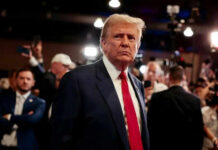
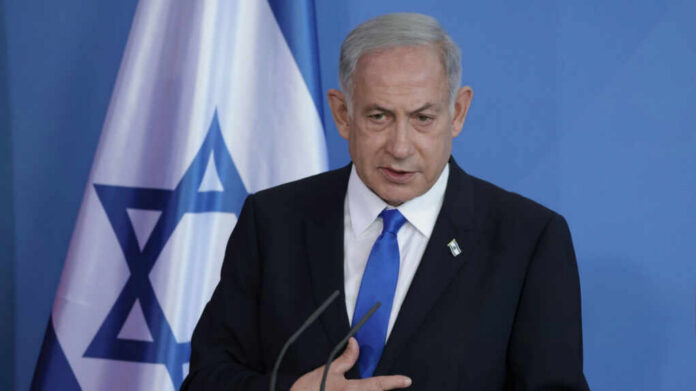
President Donald Trump reportedly called Israeli Prime Minister Benjamin Netanyahu to request that Israel “scale back” its attacks on Lebanon as tensions rose over a newly announced U.S.-Iran ceasefire. The report described the ceasefire as hanging in the balance after Netanyahu publicly vowed to continue forceful strikes, creating a risk that Iran would treat Lebanon escalation as a ceasefire violation. The reported intervention underscores how quickly regional fronts can collide with U.S. diplomatic timelines.
Israel had ramped up attacks targeting Hezbollah-linked routes and infrastructure in Lebanon even as Washington pushed a two-week ceasefire framework with Iran tied to reopening the Strait of Hormuz. U.S. and Israeli positions, as described in the reporting, treated Lebanon as outside the ceasefire scope. Iran and Pakistan, however, reportedly argued the opposite, warning that continued Lebanon strikes could trigger retaliation and end the deal—an interpretive battle that turned a technical clause into a potential spark.
What We Know About the Ceasefire Terms—and What Remains Unclear
Public reporting presents a central ambiguity: whether Lebanon was included in the ceasefire or merely adjacent to it. That distinction matters because enforcement, retaliation, and “compliance” narratives often drive escalation as much as battlefield events do. The available accounts describe U.S. optimism about progress on most points, but they also show how third-party brokers can shape expectations. With Pakistan cited as a mediator and Iran offering a multi-point proposal, competing interpretations were built in.
The timeline matters because it shows how fast leverage shifts. Trump announced a two-week ceasefire with Iran contingent on movement toward reopening the Strait of Hormuz, while U.S. forces had recently conducted “restrikes” on Iranian military targets such as radar and runways. Soon after, Israel’s Lebanon operations intensified, and Netanyahu’s pledge to continue strikes added pressure. The reported Trump-Netanyahu call came after that pledge, suggesting Washington saw immediate de-escalation as essential.
Israel’s Pivot to Lebanon Talks Raises the Stakes for Hezbollah Disarmament
After the reported call, Netanyahu announced negotiations with Lebanon focused on disarming Hezbollah and moving toward more stable relations, with talks described as scheduled for the following week in Washington, D.C. That announcement indicates a shift from pure military pressure to a combined strategy: reduce immediate escalation while testing whether diplomacy can deliver security outcomes. Any disarmament framework would be consequential, but the research provides limited operational detail on enforcement, verification, or timelines.
Energy, Inflation, and the Hormuz Factor Behind the Diplomacy
The Strait of Hormuz is a strategic economic chokepoint, and the reporting ties the ceasefire’s viability to reopening it. For Americans still frustrated by high costs and inflation after years of fiscal and energy-policy turbulence, Hormuz disruption risk is not abstract: it can translate into fuel-price volatility and broader shipping impacts. The available reporting does not confirm that Hormuz has reopened, but it frames the ceasefire as a practical effort to prevent another shock to global energy flows.
How to Read the “Reversal” Narrative in a Second-Term Trump White House
Some coverage characterizes Trump’s shift on ceasefire scope as a “reversal,” while other analysis describes a pattern of deadline extensions and tactical repositioning. The strongest confirmed facts are the reported call, the competing claims about Lebanon’s inclusion, and Israel’s subsequent announcement of talks. The weakest point is certainty about the full terms, since key claims rely on anonymous officials and unresolved differences between parties’ interpretations.
Trump Reportedly Reversed Himself on Crucial Ceasefire Provision After Call With Netanyahu https://t.co/h3bRKwXASM
— Mediaite (@Mediaite) April 9, 2026
For voters who believe Washington too often drifts into open-ended conflict, it highlights a familiar tension: supporting allies while still putting U.S. stability and economic interests first. The bigger takeaway is less about personality and more about process—major national-security decisions can hinge on private calls, disputed wording, and rapid media-driven signaling. When ceasefire definitions differ across capitals, even a short-term pause can become a test of credibility for everyone involved.
Sources:
In a stark reversal, President Trump announces two-week ceasefire with Iran