
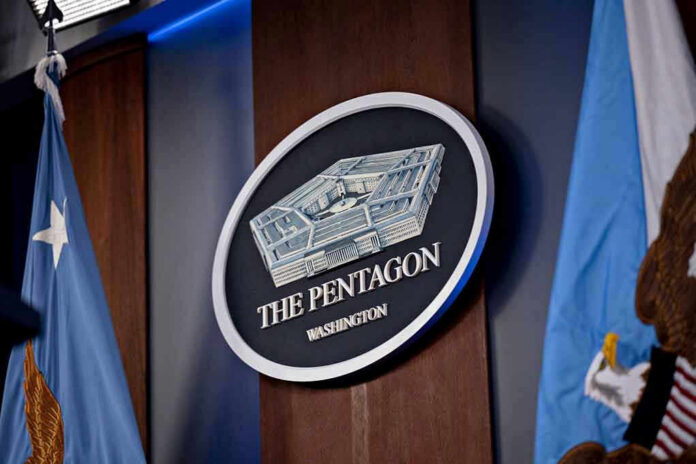
A leak of classified Pentagon plans exposed deep strain over long Middle East deployments, triggering a fierce internal backlash and fresh readiness alarms.
Story Highlights
- Reports say commanders filed formal objections over extended Iran-related deployments that risk readiness elsewhere.
- The Aug. 14 orders reportedly keep about 50,000 troops in the region through fall and in some cases into 2027.
- Pentagon spokesman Sean Parnell denounced the leak as a crime and a betrayal, disputing parts of the reporting.
- Earlier accounts flagged munitions strain tied to Iran operations, sharpening concern about surge capacity.
What The Leak Said About Force Strain
Washington Post reporting described a classified Aug. 14 Secretary of Defense Orders Book entry in which multiple senior commanders warned that extended Iran-related deployments were unsustainable. They reportedly cited shortages of ships, aircraft, personnel, and key weapons systems if a second crisis erupted. The report said the objections came from across services and major theater commands, signaling a system-wide concern rather than an isolated gripe. The document itself remains classified, and the precise language has not been released publicly.
The same reporting linked those warnings to homeland defense risk. Commanders cautioned that holding large packages in the Middle East could slow response to threats in Europe or the Indo-Pacific and reduce surge options at home. That claim tracks with longstanding readiness research: when units deploy longer, training atrophies, maintenance slips, and surge capacity falls. Independent work by government auditors has cataloged how sustained demand and reduced force structure squeeze readiness across the services.
Reported Duration: Forces Held Through 2027
Accounts of the Aug. 14 orders said about 50,000 U.S. troops and supporting hardware would remain in the region through September, with some force elements held into 2027. That duration helps explain the non‑concurrence reports. Long holds affect aircraft depot cycles, shipyard schedules, and personnel tempo. They also tie up air defense munitions that are already under pressure. Earlier August coverage said President Trump pressed leaders about missile stockpiles and warned about options narrowing if resupply lagged during Iran operations.
The scale and mix of units in question were not published. Without the underlying orders, the public cannot see which brigades, squadrons, or ships were tasked. That gap limits precision. But the cross‑service nature of the reported objections suggests stress on joint capabilities, not just one branch. For readers, the key is simple: long deployments trade near‑term presence for future flexibility. When the trade runs too long, the bill comes due in training, parts, and people.
Pentagon Reaction: Condemn The Leak, Defend The Process
Pentagon spokesman Sean Parnell blasted the disclosure as a crime and a betrayal of the force. He said much of the published material was inaccurate, while declining to discuss classified processes or the orders book. He also framed the deployment decisions as a civilian call, driven by the current threat picture, the President’s priorities, and advice from the Chairman and commanders. That response defended the chain of command and shifted attention to the illegality of leaking secrets.
That hard line underscores a core tension. Leaders want to protect operations and deter future leaks. Commanders want to ensure risks are heard and documented. The public is left with press summaries rather than the document itself. As conservatives, we can hold two truths together. First, leaking war plans is wrong and dangerous. Second, readiness warnings deserve daylight through proper oversight so America keeps a strong, lawful, and ready force that can deter enemies on every front.
What This Means For Readiness And Policy
Extended Middle East missions can sap strength from priority theaters and from homeland defense. That is not a partisan claim; it is logistics and math. Government watchdogs have shown that frequent, long deployments reduce training and strain maintenance budgets. When munitions stocks run low, choices narrow. When ships skip yard time, breakdowns rise. The United States needs both presence and surge capacity. Wise stewardship balances today’s fights with tomorrow’s threats and keeps faith with our troops and families.
Moving forward, Congress should press for a classified briefing on the Aug. 14 orders, the scope of any non‑concurrence, and the plan to restore stockpiles and training time. The administration should protect secrets, punish illegal leaks, and still inform elected oversight. That is how a constitutional republic manages war power: clear goals from President Trump, honest military advice, and lawful transparency. Strength comes from readiness, not from secrecy alone and not from leaks that put Americans at risk.
Sources:
thehill.com, motherjones.com, yahoo.com, washingtonpost.com, newrepublic.com