
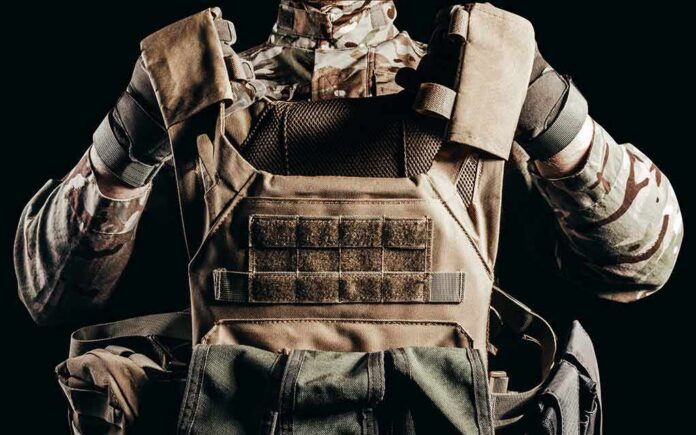
A federal judge ruled that New York’s ban on civilian body armor violates the Second Amendment and cannot stand.
Story Highlights
- A federal court held that body armor is an “arm” protected by the Second Amendment.
- The judge blocked New York’s first-of-its-kind ban on civilian sales and purchases.
- The state failed to show any historical tradition to support a broad ban.
- Officials had tied the restriction to a 2022 mass shooting and public safety goals.
Federal Court Says Armor Is Protected Under the Second Amendment
U.S. District Judge John L. Sinatra Jr. ruled that body armor falls within the plain text of the Second Amendment. The court found that New York’s statute banning civilian sales and purchases of armor violated that right. The ruling explained that “body armor is an ‘arm’ protected by the plain text of the Second Amendment” and that the state’s broad restriction could not be justified under controlling law. The decision permanently enjoins enforcement against law-abiding residents outside the state’s narrow professional carveouts.
The case, Heeter v. James, tested a sweeping 2022 law that barred civilians from buying or selling protective vests. New York allowed access only for people engaged or employed in certain listed professions. Everyone else faced criminal penalties for purchase and later for repeat offenses. The court held that once conduct is covered by the Second Amendment, the government must show a historical tradition of similar limits. New York did not meet that burden for a categorical ban on defensive gear.
Why the Court Rejected New York’s Justification
New York enacted the ban after the 2022 Buffalo supermarket attack, where the killer wore armor. State leaders said the restriction was part of a larger public safety package to reduce mass violence. The Department of State explained that, outside eligible professions, buying, possessing, or transferring body armor was generally illegal as of July 6, 2022. Attorney General Letitia James defended the policy as a reasonable safety measure aimed at saving lives.
Judge Sinatra applied the Supreme Court’s history-and-tradition test from recent Second Amendment cases. The state needed to point to a well-rooted historical analogue for blocking law-abiding adults from acquiring common defensive equipment. The state did not produce such examples. The judge concluded the ban was a modern outlier that swept in ordinary citizens with no criminal record and no ill intent, which the Constitution does not allow.
What This Means for Self-Defense and Civil Liberties
The ruling is a clear win for self-defense rights. The court recognized that Americans may choose defensive tools, not just firearms, to protect their lives. That matters for families, small business owners, and church security volunteers who face real threats and want non-lethal protection at home, at work, or during travel. By blocking the ban, the court kept the state from turning safety gear into contraband for the very people who obey the law.
Federal Judge Strikes Down New York Body Armor Ban, Rules Armor Protected by Second Amendment https://t.co/whumR45ix2 via @Ammoland
— John Crump (@right2bear) October 22, 2026
The decision also limits government overreach. Broad bans that punish the innocent do not fix crime. They only burden people who try to follow the rules. The state tied its policy to a single tragedy, but the Constitution does not allow leaders to trade away basic rights for a false sense of control. The court’s reasoning sends a message: if the government wants to regulate, it must match our history and respect the freedoms written into the Bill of Rights.
What Happens Next in New York and Beyond
New York could appeal, and more litigation may follow over how the state defines “eligible professions” or polices sales. But the core point stands today: the state cannot bar ordinary citizens from buying or selling common protective armor. Civil rights groups that backed the challenge called the ruling a milestone and the first known federal judgment to strike a general civilian armor ban under the Second Amendment. Other states will take note as courts apply the same framework to modern rules that lack historical support.
Conservatives should see this as a needed course correction. The judge upheld the text of the Constitution and the common-sense idea that defense is not a crime. New Yorkers who want to protect their families should not beg the government for permission. They should not face charges for owning a vest. Real safety means punishing criminals, not harassing citizens. This case shows the courts can still draw that line, and it shows the Constitution still has teeth.
Sources:
reason.com, ground.news, courtlistener.com, buffalonews.com, firearmspolicy.org, wivb.com, dos.ny.gov, syracuse.com