
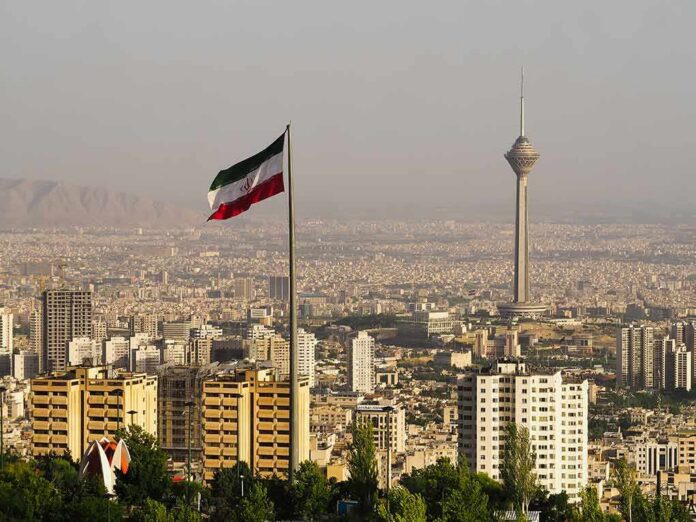
A fast-tracked push in Iran’s parliament to quit the nuclear treaty signals a sharp escalation that could upend global security.
Story Highlights
- Iranian lawmakers advanced a “triple-urgency” bill to exit the nuclear treaty.
- Deputy speaker confirmed the chamber is reviewing the fast-track measure.
- Supporters tie the move to pressure from international nuclear watchdogs.
- Committee steps and a final vote have not been confirmed yet.
Lawmakers Move A Triple-Urgency Bill To Exit The Nuclear Treaty
Iranian lawmakers submitted a bill to withdraw from the Nuclear Non-Proliferation Treaty under a rare “triple urgency” procedure, indicating a rapid timetable if leaders allow a floor vote. A senior member said the bill reached the presiding board and could go to an open session once Speaker Mohammad Bagher Ghalibaf approves the schedule. Multiple state-linked reports say many lawmakers signed on, and legal and national security bodies are reviewing the text.
Ali Nikzad, a deputy speaker of parliament, said the chamber is reviewing the withdrawal bill under the triple-urgency process. His statement adds weight to claims that this is more than talk. The mechanism matters: triple urgency moves proposals much faster than normal rules in Tehran’s legislature. While some earlier reports flagged confusion inside committees, current signals point to active handling by leadership offices and key review channels.
Backers Tie The Push To Watchdog Pressure And Security Tensions
Iranian officials linked the bill to pressure from the International Atomic Energy Agency and a referral to the United Nations Security Council. They argue membership now carries higher costs and fewer benefits as censure votes and access fights pile up. Several lawmakers framed the exit debate as leverage after recent disputes, saying outside pressure and threats make continued participation a strategic loss for Iran’s national interests.
Hardline media and parliament voices also describe the bill as a direct answer to what they call Western hostility. Reports say the draft gathered broad signatures and entered both legal and foreign policy review paths. That breadth of backing suggests leadership wants the option ready, even if timing remains a political choice. Supporters claim fast passage would show resolve and raise the price of future sanctions or censure from international bodies.
Procedural Gaps And What Withdrawal Would Actually Require
Some committee figures said they had not yet received a formal draft at earlier stages, reflecting the opaque process in Tehran’s legislature. The research trail does not show a posted bill number, full public text, or a final vote. Those gaps do not erase the core fact that leaders acknowledge review is underway, but they do mark known limits on how far the bill has progressed through the gatekeeping steps as of now.
Leaving the treaty is legally possible but not instant. Article X requires a state to give three months’ notice to all parties and the United Nations Security Council, with reasons for exit. That means even a quick parliamentary vote would start a clock rather than flip a switch. The only country to complete an exit so far was North Korea, which shows how disruptive such a move can be for security and diplomacy across a whole region.
Why This Matters For America, Our Allies, And Energy Prices
Iran walking toward the treaty’s exit would weaken global checks on its nuclear work and raise risks for Israel, the Gulf, and United States forces. A formal withdrawal would also complicate any future inspections or deals. The move could push oil markets higher if tensions expand in the Strait of Hormuz, where shipping lanes are narrow and energy flows are vital to world supply. Even a threat of exit can move prices and hurt family budgets at home.
For U.S. readers, this story is about deterrence and clarity. Clear red lines, tight sanctions on weapons networks, strong naval posture, and close work with Israel and Gulf partners are tools that keep pressure on Tehran. Congress and the White House will track whether the bill reaches a floor vote, what the speaker schedules, and whether a formal withdrawal notice is sent. Those steps, not slogans, show if Iran is crossing from threat to action.
Sources:
zerohedge.com, ababnews.com, iranintl.com, newscord.org, kayhan.ir, nampa.org, en.mehrnews.com, democrata.es