President Trump has issued Iran a 48-hour ultimatum to fully reopen the Strait of Hormuz or face devastating strikes on its power plants, a bold threat that puts American resolve front and center while our so-called allies retreat from global energy security.
Story Snapshot
- Trump demands Iran reopen the Strait of Hormuz within 48 hours or U.S. forces will obliterate Iranian power plants
- Iran’s blockade disrupts 20% of global oil supplies, fueling economic chaos and energy insecurity worldwide
- Defiant Iranian regime threatens U.S. and regional energy infrastructure while rejecting all diplomatic efforts
- Trump’s decisive ultimatum contrasts sharply with NATO and Gulf allies backing away from coalition responsibilities
Trump Issues Stark 48-Hour Deadline to Iranian Regime
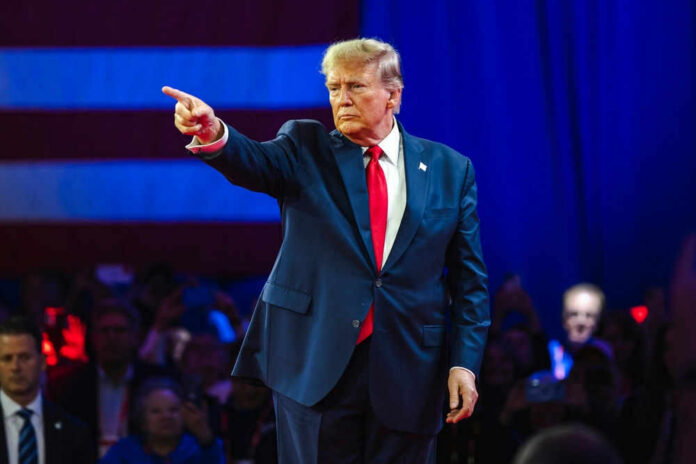
President Donald Trump posted on Truth Social on March 22, 2026, issuing a direct ultimatum to Iran’s leadership. The President demanded Iran fully reopen the Strait of Hormuz without threats to navigation within 48 hours from the posting time. Trump warned that failure to comply would result in U.S. military strikes to “hit and obliterate” Iranian power plants, beginning with the largest facilities. This represents the clearest threat yet to Iran’s civilian energy infrastructure amid an ongoing four-week conflict between U.S.-Israel forces and the Iranian regime.
Iran’s Stranglehold on Global Energy Supply
The Strait of Hormuz, a 21-mile-wide chokepoint between Iran and Oman, handles approximately 20 percent of global oil shipments and significant liquefied natural gas exports. Iranian forces have deployed missiles, drones, and mines to disrupt navigation through this critical waterway, triggering soaring oil prices and widespread economic anxiety. A bulk carrier near the UAE recently suffered an explosion from an unknown projectile, while Iranian strikes injured 75 people in Israel’s Dimona area. The regime’s operational command, Kata’ib al-Anbiya, has renewed threats against U.S. and regional energy, IT, and desalination infrastructure.
Allied Nations Abandon Energy Security Responsibility
Trump previously called on NATO and Gulf allies including Japan, Australia, and European nations to help secure the Strait of Hormuz, warning he would “remember” those who refused to participate. Instead of stepping up, these nations have largely backed away from coalition efforts, prioritizing political convenience over energy security. The G7 has issued weak demands for Iran to halt strikes but offered little substantive support for reopening the strait. This abandonment of responsibility leaves American forces to shoulder the burden of protecting global commerce while allies who depend on Persian Gulf oil hide behind empty diplomatic statements.
Iran’s foreign minister declared diplomacy “shut,” while regime officials stated they are prepared to endure “till last breath” and issued a chilling “welcome, we’re waiting” response to Trump’s ultimatum. The regime threatened that if Iran’s fuel and energy supplies are violated, all U.S. and regional energy, IT, and desalination facilities will be targeted in retaliation. This defiance demonstrates the Iranian leadership’s willingness to gamble on endurance despite facing overwhelming American military superiority. Dr. Cohen, a regional expert, characterized Trump’s threat as “very major,” noting Iran risks total darkness if power plants are destroyed sequentially as Trump indicated.
Strategic Clarity Versus Biden-Era Weakness
Trump’s ultimatum marks a stark departure from the weakness and indecision that characterized previous administration approaches to Iranian aggression. By targeting power plants rather than oil infrastructure, Trump preserves Iran’s energy resources for a post-regime future while applying maximum pressure on the current leadership. This strategic calculation demonstrates the kind of America-first thinking that prioritizes decisive action over endless negotiations with terrorist-supporting regimes. The 48-hour deadline forces Iran’s hand while signaling to the world that American threats carry real consequences, restoring credibility eroded by years of appeasement and failed diplomatic outreach to Tehran.
Sources:
Trump talks of winding down Iran war but is that happening? – 1News
Trump demands Iran reopen Strait of Hormuz – Fox News