
A single post from President Trump moved trillions on Wall Street—while Iran flatly denied the talks even happened.
Quick Take
- U.S. stocks jumped and oil fell after Trump said “productive conversations” led him to delay strikes on Iranian power infrastructure for five days.
- Iranian officials and state media denied any direct or indirect talks, framing the claim as psychological warfare and market manipulation.
- Markets have become hair-trigger sensitive to Iran-war headlines, with a massive S&P 500 value swing tied to perceived escalation or off-ramps.
- Conservative voters—already exhausted by inflation and high energy costs—are splitting over the Iran war and questions about U.S. obligations versus Israel’s campaign.
Trump’s Five-Day Pause Sparks a Market Stampede
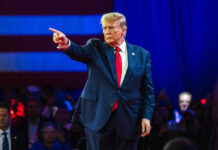
President Trump said on Truth Social that the U.S. had “productive conversations” with Iran and ordered a five-day postponement of planned strikes on Iranian power plants and energy infrastructure. Markets immediately treated the message as an off-ramp from escalation. During Monday’s trading, major indexes surged while oil prices fell, and volatility retreated. The reaction underscored how tightly energy, inflation fears, and the war narrative are now linked.
Wall Street’s bounce was not subtle. Reports described an enormous swing in equity value early in the session, alongside gains across major indexes. Banks and consumer discretionary stocks rebounded, and traders also pulled back expectations for further rate hikes later in 2026. For households already squeezed by high prices, that matters: energy costs feed into everything from groceries to shipping, and war-driven oil spikes are a direct pocketbook issue.
Iran Denies Talks and Accuses Trump of Manipulating Perceptions
Iran’s response directly contradicted Trump’s description. Iranian state media and senior officials publicly rejected the claim that any negotiations—direct or indirect—had taken place. Iran’s parliament speaker Mohammad Bagher Ghalibaf was cited accusing Trump of manipulating oil markets, and other officials described the U.S. messaging as psychological warfare. With no confirmed channel acknowledged by Tehran, the pause reads less like a settled breakthrough and more like a messaging battle.
This contradiction is the core problem for Americans trying to judge the moment. If Trump’s team is seeking a fast end—either through pressure or a ceasefire track—then credibility matters, especially when military action is being publicly scheduled and postponed. A negotiating posture that looks unclear can whipsaw markets, but it also risks confusing allies and adversaries alike, particularly while Israel continues its own strikes during the U.S. delay.
Wall Street’s “Relief Rally” Has a Catch: Follow-Through or Whiplash
Market analysts highlighted how quickly sentiment flipped from fear to relief once Trump signaled delay. Before the announcement, threats aimed at Iran’s power network helped push oil higher and volatility upward, compounding worries after a hawkish Federal Reserve tone. After the pause, the volatility gauge fell, oil tumbled, and investors leaned back into risk. Commentators still warned the rally would depend on tangible follow-through rather than posts.
That caution is practical, not partisan. If Iran is denying talks and Israel’s campaign continues, then the probability of renewed escalation remains. Markets can price hope in minutes, but consumers live with consequences for months—especially when inflation expectations and interest-rate bets are being tugged around by Middle East headlines. Conservatives who remember how “temporary” military commitments turn into decade-long deployments are right to treat any “pause” as incomplete until verified.
MAGA’s Iran-War Split: Energy Pain, “No New Wars,” and Alliance Questions
The political stress point is now inside Trump’s own coalition. Trump returned to office promising strength without endless regime-change wars, and many supporters—especially older voters—have lived through Iraq and Afghanistan’s costs. At the same time, the administration is managing an active conflict environment tied to Iran, energy infrastructure, and regional allies. When a single announcement can drop oil and lift stocks, it also reminds voters how much war decisions hit the kitchen table.
Wall Street pros are getting increasingly nervous about Iran https://t.co/0gDTSLyVJw
— Jazz Drummer (@jazzdrummer420) March 26, 2026
Support for Israel remains a bedrock position for many conservatives, but this war has reopened questions about limits, strategy, and U.S. national interest. It does not provide polling on public opinion or details on war authorities, so conclusions should be limited. What is clear is that mixed signaling—claims of talks versus official denials—intensifies distrust. In a constitutional republic, the public deserves clarity on objectives, timelines, and exit ramps.
Sources:
What Wall Street pros are saying after Trump postponed strikes on Iranian power plants
Wall Street Up After Trump Postpones Strikes on Iranian Power Plants