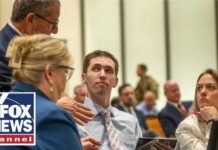
Wisconsin’s Democratic primary upended the polling narrative when David Crowley beat polling favorite Francesca Hong in a narrow upset.
Story Snapshot
- Pre-primary polls and media called Francesca Hong the frontrunner, yet David Crowley won.
- Large undecided shares and a chaotic field made late polls less reliable.
- Crowley’s re-entry and a key endorsement shifted the race after major polls ran.
- The final margin was close, reinforcing how volatile primaries can be.
What The Polls Said Versus What Voters Did
News outlets described Francesca Hong as the polling favorite heading into Election Day, citing Marquette University Law School polling and other coverage that framed her as the frontrunner in a fractured field. The New York Times called David Crowley’s win an upset over a candidate “who had been leading in the polls,” underscoring the narrative whiplash between the pre-election picture and the actual votes counted. Wikipedia’s compiled result shows Crowley edging out Hong, despite that widespread expectation she would prevail.
Wisconsin Watch reported that Hong had led in three consecutive Marquette snapshots while also noting that nearly half of registered voters were still undecided in mid-July, a warning sign that any lead rested on shifting sand. PBS Wisconsin likewise called the race “wide open” and emphasized how close the contest looked with support spread across several candidates. Together, those facts explain how a “leader” in headlines was never a majority choice, and why late changes could scramble outcomes.
Why The Race Moved Late
Field volatility, candidate exits, and a late-stage endorsement set the table for movement. Wisconsin Watch documented a rapid shake-up in July that included Sara Rodriguez leaving the race and David Crowley re-entering it, creating a new choice set for voters after many polls had already been conducted. A PBS Wisconsin clip and accompanying coverage highlighted that Crowley re-entered and received support from Governor Tony Evers, a development likely to matter with undecided and pragmatic voters who were still weighing options.
When many voters say they are undecided, small nudges can decide a close primary. PBS Wisconsin reported earlier looks where most voters had not made up their minds, reinforcing the idea that a late endorsement, fresh fundraising energy, or ground-game gains could tilt the balance in the final days. That is exactly the kind of setting where a candidate framed as “behind” can surge once the electorate firms up at the end.
The Margin And What It Means For November
The final count was close, with Crowley winning narrowly. Wikipedia’s election summary reflects a race decided by a tight margin, not a blowout, which fits a contest where undecided voters were abundant until late and where the field changed weeks before ballots were cast. The Associated Press also reminded readers that Wisconsin recount rules kick in only under specific thresholds, but major outlets can still call a clear-enough lead on election night.
For conservatives, the lesson is clear: primary polling in crowded, unstable fields often tells a story that can flip fast. Media narratives highlighted a democratic socialist as the likely nominee, but Democratic voters chose a more moderate option in the end. That result suggests many center-left Democrats still worry about electability and backlash to far-left agendas, even in a blue primary. Republicans can prepare to face a nominee who moved late with help from establishment signals, not grassroot socialist momentum.
How To Read Polls When The Field Is Fluid
Poll snapshots are not predictions. They measure a moment that can expire quickly, especially when half the electorate has not decided. Wisconsin Watch’s note about nearly half of registered voters being undecided shows why leads can be fragile. PBS Wisconsin’s “wide open” framing shows consensus was missing, so the campaign that organized late and won trust could clinch the finish. Voters should treat any late-breaking endorsement or exit as a new race.
BREAKING: Wisconsin Democrats narrowly rejected DSA-backed Rep. Francesca Hong. The bigger story: she came within a few thousand votes of winning the governor nomination. The progressive movement didn’t win, but it came close. 📡 https://t.co/KfZIaomCBh
— The Public Signal News Network (@PublicSignalX) August 12, 2026
Looking ahead, Republicans should bank the lesson: fight for every late decider, and press contrasts that highlight competence, safety, growth, and lower costs. Democrats just lived through a split between a hard-left brand and a more moderate pitch. In a pocketbook election with inflation scars and high energy concerns, the candidate who connects with normal families in the final week will likely win. Ground game, not glossy polling, decides close fights in swing states.
Sources:
youtube.com, pbswisconsin.org, wisconsinwatch.org, nytimes.com, cbsnews.com