After years of pain at the pump, a fragile U.S.-Iran peace deal could finally nudge gas below $4 a gallon—but only if the calm holds.
Story Snapshot
- Oil prices dropped sharply on early reports of a U.S.-Iran peace deal and reopening of the Strait of Hormuz, signaling potential relief for drivers.
- Analysts say gas prices may fall but still warn the national average will likely stay above $4 a gallon for now.
- Energy markets remain jumpy, with reports of renewed U.S. strikes on Iran pushing oil back toward $100 and showing how fragile this peace is.
- Conservatives see both opportunity for lower costs and risk that global instability and bad policy could erase any gains at the pump.
Oil Prices Slide As Peace Deal Hopes Rise
Energy traders moved fast as soon as word spread that the United States and Iran were closing in on a peace deal and a reopening of the Strait of Hormuz, the key choke point for a large share of the world’s oil shipments.[2] Crude prices fell about five percent in early trading, with the global Brent benchmark slipping below the $100 mark and erasing roughly five dollars per barrel in a single session.[1] Television coverage showed similar moves in West Texas Intermediate crude, as futures dropped more than four percent after President Donald Trump said a deal with Tehran had been “largely negotiated” and details would follow.[2] Commentators framed the reaction as a classic case of the market pricing out a “war premium,” since fewer missiles flying in the Gulf usually means less risk of sudden supply shocks and shipping blockades.
News outlets across the globe quickly tied the oil slide to hopes that tankers would once again move freely through the Strait of Hormuz, ending weeks of military tension and blocked cargoes in one of the world’s most important waterways.[2] Analysts on business networks stressed that some Iranian-linked vessels had already begun crossing the strait with formal permission, a sign that at least part of the shipping backlog was starting to clear.[2] International coverage described a bounce in stock markets at the same time, as traders bet that lower energy costs would ease pressure on family budgets and help cool stubborn inflation that has punished American workers and retirees since the days of big-spending, anti-energy policies earlier in the decade.
What It Could Mean For U.S. Gas Prices
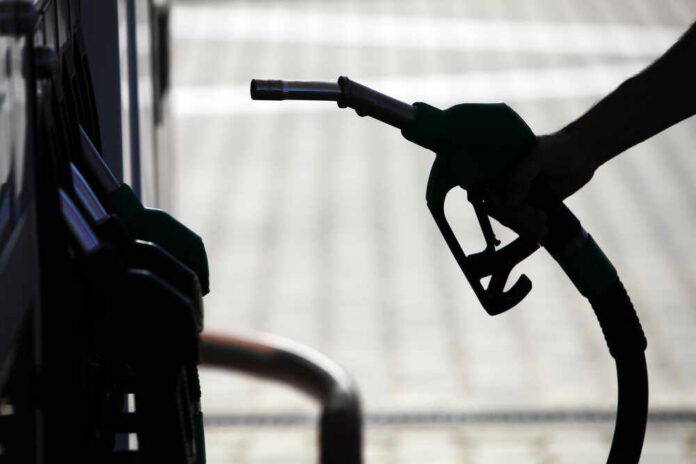
Drivers watching these headlines want a simple answer: will this actually cut what they pay at the pump, and how soon will they feel it? Energy specialist Patrick De Haan from GasBuddy said gas prices were already drifting down before the peace headlines but warned that Americans should not expect an instant return to the pre-war era of cheap fuel.[1] He said the national average is still likely to stay “significantly above” four dollars a gallon until there is not only a signed agreement but also a steady flow of tankers moving through the Strait of Hormuz at normal volumes.[1] That caution reflects a basic reality many conservatives understand from their own budgets: a one-day drop in oil futures does not fix years of underinvestment in pipelines, refineries, and domestic production that were made worse by past left-wing attacks on fossil fuels.
Financial commentators also pointed out that even at ninety dollars per barrel, oil remains much higher than before the war began, when prices sat closer to seventy dollars a barrel.[2] That gap matters because every extra ten dollars per barrel can add noticeable cents per gallon for gasoline and diesel, especially in states that already pile on high taxes and heavy regulations. Some analysts interviewed on global business programs predicted that if the peace holds, oil could settle somewhere in the seventy-dollar range over time, which would bring much more meaningful relief to drivers and truckers.[3] For many middle-class families, that would feel like finally stepping back from the edge after years of punishing costs tied to global turmoil and earlier Washington policies that tried to force a fast green transition before the country was ready.
A Fragile Peace And A Jumpy Energy Market
While the early reaction looked like a win for consumers and for the Trump administration’s push to stabilize a dangerous region, coverage also made clear that nothing about this situation is settled yet.[1] Axios reported that even if a formal peace deal is signed and the Strait of Hormuz fully reopens, energy markets could remain unsettled for weeks or months because shipping companies and insurers may move slowly before trusting that the risk of new attacks is truly behind them.[1] Clearing stranded tankers, rebooking routes, and restarting production all take time, and any misstep or broken promise could send prices spiking again. That is why seasoned analysts warn that announcement-driven rallies do not always match the slower reality on the ground.
Time magazine underscored how fragile this moment is by reporting that fresh United States strikes on Iranian targets were followed by another jump in global oil prices back toward the one-hundred-dollar mark, as Iran answered with new threats and markets rushed to factor in renewed instability.[4] That swing shows how quickly hope can flip back to fear in a region where radical leaders, proxy militias, and outside powers all test each other’s limits. For conservative readers, it is another reminder that American energy security cannot rest only on faraway shipping lanes and the goodwill of foreign regimes that do not share our values. Any short-term relief at the pump is welcome, but lasting stability still depends on strong borders, a serious foreign policy, and a return to common-sense energy plans that unleash American drilling, refining, and pipeline building instead of bowing to globalist climate conferences and bureaucratic red tape.
Sources:
[1] Web – Pump Pain Relief? Gas Above $4 May End Soon As U.S.-Iran Peace Deal …
[2] Web – Oil prices sink on signs of U.S.-Iran deal – Axios
[3] YouTube – Oil prices ease on renewed hopes of US-Iran peace deal
[4] YouTube – Oil Prices Drops as US-Iran Peace Deal Nears Breakthrough