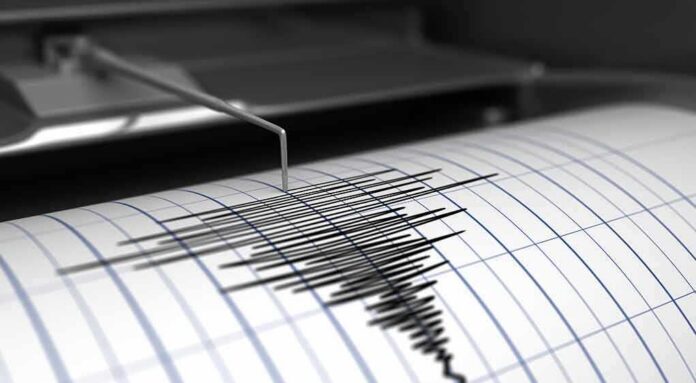
Seismic experts warn the Hayward Fault under Oakland and Berkeley holds one of America’s highest odds for a damaging quake in coming decades, with no way to predict the exact day.
Story Snapshot
- UC Berkeley and federal scientists call the Hayward Fault a top hazard with a one-in-three chance of a big quake by 2043.
- The last major Hayward event struck in 1868; large quakes there recur about every 100 to 200 years.
- More than two million people live on or near the fault, raising risk to homes, roads, and power lines.
- Forecasts give odds over decades, but no one can predict the exact timing of a single quake.
Experts Flag Hayward Fault As A Top U.S. Urban Quake Threat
University of California, Berkeley researchers state the Hayward Fault is probably the Bay Area’s most dangerous, with about a 33 percent chance of a magnitude 6.7 or larger rupture before 2043. United States Geological Survey materials rank the East Bay spine, which runs under cities like Oakland and Berkeley, among the region’s highest hazards, as the Bay Area overall faces a 72 percent chance of at least one magnitude 6.7 quake by 2043. These figures reflect long-term forecasts based on past quakes and mapped faults.
Federal science agencies describe the Hayward Fault as due for a repeat of the 1868 event, which reached about magnitude 6.8 and caused heavy damage across the East Bay. Geologists who dig trench sites along the fault report large earthquakes there about every 100 to 200 years, placing the current window within a known cycle, though the exact day cannot be pinned down. This mix of high exposure and historical pattern is why many officials prepare for a strong urban quake.
Population Density And Aging Infrastructure Drive Real-World Risk
United States Geological Survey scenario work and news reports highlight the danger of a major quake striking a dense corridor where more than two million people live atop or beside the fault. Roads, hospitals, water mains, and electric lines cross the break zone. A strong rupture could snap old pipes, knock out power, and block key routes for ambulances and fire crews. These practical impacts, not just the shaking, pose the greatest threat to life and recovery for families and small businesses.
California’s building codes have improved, but many homes, small apartments, and older commercial buildings predate modern standards. Soft-story structures and unretrofitted masonry still line many blocks. When lifeline systems fail, working families pay the highest price through lost jobs, closed schools, and crime risks that follow dark streets. That is why preparedness, hardening water and power, and clearing red tape for retrofits matter just as much as scientific forecasts in keeping communities safe.
Forecasts Offer Odds, Not Exact Dates—Preparedness Closes The Gap
Seismologists explain that earthquake science can provide probabilities over years and decades, but it cannot predict a specific day or week for a large rupture. A University of California, Berkeley expert recently said the chance of the “big one” on any single day remains low, even as long-term stress builds on the fault. The takeaway is simple: families should prepare now, because low daily odds still add up over time. Water, flashlights, phone chargers, and a family plan can save lives.
🚨 California was rattled by a 3.8-magnitude earthquake near San Leandro Thursday morning, followed by smaller aftershocks. The shaking was felt across parts of the Bay Area and prompted BART to temporarily slow trains for track inspections. (San Francisco Chronicle)
The…
— MDBayNews (@MDBayNews) August 13, 2026
Local leaders and utility managers should focus on basics that work. Retrofit weak buildings, secure gas lines, protect substations, and plan backup water for firefighting. Streamline permits so owners can fix soft-story buildings without years of delay. Keep politics out of safety. A clear playbook, practiced often, respects taxpayers, supports the local economy, and upholds the duty of government to protect life and property without mission creep or waste. That is common sense, and it is achievable before the next big shake.
Sources:
nypost.com, usgs.gov, cbsnews.com, abc7news.com