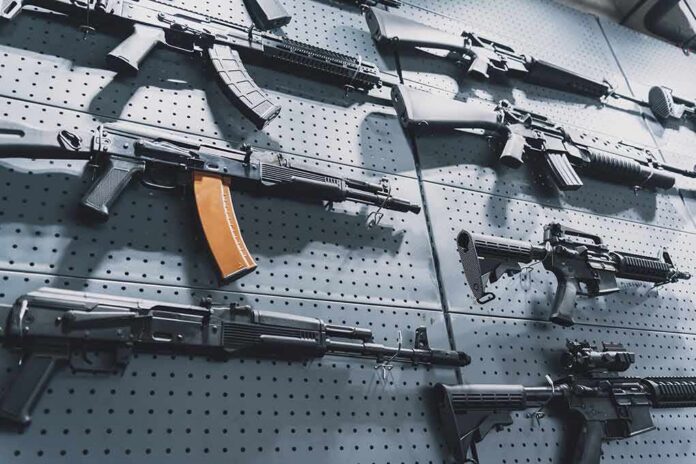
Federal prosecutors say the FBI stopped an ISIS-inspired mass shooting planned for the Mall of America after an 18-year-old bought an AK-47-style rifle from an undercover agent and reaffirmed he intended to kill shoppers.
Story Highlights
- Justice Department says an 18-year-old planned a mass-casualty attack at the Mall of America.
- FBI arrested the suspect after an arranged rifle-and-ammo purchase; officials say he reaffirmed his intent.
- Court filings describe months of monitoring and undercover work to preempt an attack.
- Case fits a broader pattern of post-9/11 sting operations used to disrupt plots before they mature.
FBI Interdiction at a Minnesota Park
Federal agents arrested the 18-year-old at a public park in Richfield, Minnesota, during a controlled sale of an AK-47-style rifle and about 200 rounds of ammunition, according to court filings and agency statements. Officials say the suspect had discussed carrying out an attack this month at the Mall of America, one of the nation’s busiest shopping centers. Prosecutors allege he pledged support for the Islamic State and described plans to fire into crowds to cause mass deaths.
The United States Department of Justice said the suspect reaffirmed his plan to use the weapon to shoot people during the transaction, which agents recorded as part of the investigation. The filing says the rifle sale capped months of monitoring that began in late 2024, as the suspect moved from online praise of terror groups to concrete steps toward an attack. Officials say arresting him at the point of purchase ensured the public’s safety while preserving strong evidence of intent.
Charges and Government’s Stated Rationale
Prosecutors charged the suspect in federal court, saying he sought to commit a mass-casualty event in support of the Islamic State. The Justice Department framed the case as a textbook example of prevention: stop the plot before a single innocent person is hurt. Agents arranged the sale to control the setting, the firearm, and the timing of the arrest. Officials say that let them document the suspect’s stated plan while keeping the public away from danger. These are allegations, and the suspect has not been convicted.
Reporters in Minnesota noted that federal officials presented the sequence of events at a news conference, outlining the investigation timeline and the arrest at gunpoint during the arranged meeting. Local coverage described the Mall as a recurring terror target in extremist chatter and explained why investigators focus on early signs that move into planning steps. Those steps include acquiring a rifle, buying ammunition, picking a date, and choosing a crowded location.
Why This Prevention Model Is Now Common
Since the September 11 attacks, most terrorism cases end before violence begins. Law enforcement has turned to informants and undercover agents to identify threats early and document intent. A review by a national public broadcaster found many international-terrorism cases resolve through charges like material support or conspiracy, not completed attacks. This structure rewards early interdiction. It also builds evidence around the exact moment a suspect moves from talk to action, like buying a rifle for a planned attack.
Academic and policy reviews show this method appears in many cases because it balances civil liberties with public safety. It limits uncontrolled weapons transfers and sets clear points for arrest. Critics sometimes claim the government goes too far in stings. Supporters point to lives saved and clean evidence of stated intent. In this case, prosecutors say the suspect restated his plan during the gun handoff, which they argue removes doubt about purpose and timing.
What It Means for Families and Local Security
Minnesota parents and shop workers now know the alleged plan focused on a place where families gather on weekends and holidays. This is why many conservatives back firm counterterrorism and strong policing. When a suspect seeks a battlefield at a mall, government must act fast and lawfully. The arrest also shows why secure borders, strong vetting, and constant vigilance matter. The costs of a single miss are tragic, and the harm lands on everyday Americans first.
Under President Trump, federal agents continue to treat clear terror threats as a top priority. The timeline here shows patient work: watch the suspect’s statements, document his steps, and move when he crosses from intent to action. The Justice Department says that point came when the rifle, magazines, and ammunition changed hands and when the suspect allegedly said he would shoot people at the Mall of America. That is the line where prevention becomes proof.
Sources:
nbcnews.com, fox9.com, independent.co.uk, abcnews.com, foxnews.com