
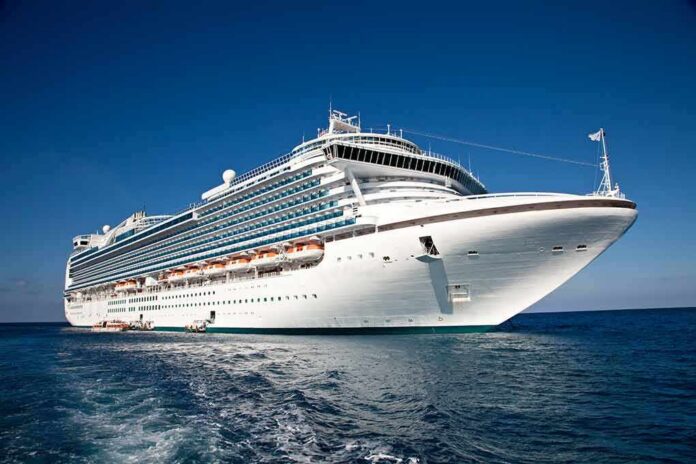
A U.S.-flag residential cruise halted its world voyage in Cambodia after fuel costs spiked fourfold, leaving about 200 passengers ashore.
Story Highlights
- Operator cites “extraordinary” fuel costs for suspending the voyage in Asia.
- Estimated monthly fuel expense jumped from about $1,800 to $6,000–$8,000 per cabin.
- Roughly 200 passengers were told to disembark in Cambodia amid uncertainty.
- Company slowed travel to save fuel but said losses became unsustainable.
Ship Suspension Tied To Soaring Fuel Costs In Asia
Villa Vie Residences said it suspended operations in Sihanoukville, Cambodia, because fuel costs rose to “extraordinary” levels. The company said the spike created “unsustainable financial pressure” on its operating model. Villa Vie estimated monthly fuel expense rose from about $1,800 per cabin to $6,000–$8,000 in parts of Asia, a jump large enough to overwhelm the budget on a long voyage. Major outlets confirmed the pause and the company’s cost explanation on October 28, 2026.
Coverage reported that approximately 200 passengers were affected when the ship’s journey stopped in Cambodia. Reports said some residents were told to leave the ship early in the morning and faced unclear next steps on lodging and travel. Those human impacts have driven much of the attention around the pause, even as the operator emphasized fuel costs as the reason for the decision to halt sailing and seek financial breathing room.
How The Costs Spiked And Why Mitigation Fell Short
The company said it tried to cut fuel use by slowing the itinerary and spending more time in port, methods that shipping analysts have long used to reduce burn rates. But Villa Vie said those steps were not enough to offset the rapid jump in prices seen in the region. The operator added that fully passing the increase to residents was not realistic for a residential model, leaving losses that the company said it could no longer absorb while underway.
Industry reporting framed the change from $1,800 to the upper estimate as roughly a 344 percent increase, showing how a price shock can swamp a smaller operator that does not have the same fuel hedging options as large cruise lines. Analysts often note that fuel represents a major share of operating costs for cruise companies, which is why many large brands hedge to smooth swings. Smaller ventures can be more exposed to spot markets and regional volatility.
Stranded Passengers And Next Steps For The Operator
Reports described residents who had paid significant sums for long stays aboard the ship, many planning a “live aboard” lifestyle, now looking for housing and flights after the halt. About 200 passengers were left ashore in Cambodia after the suspension. The company said it would pursue restructuring and recapitalization over the next 60 days, but it did not announce a final outcome or a committed funding source at the time of the pause, leaving timing uncertain for any restart.
The US cruise ship MV Odyssey has suspended its around-the-world voyage in Cambodia because of rising fuel costs, forcing 203 passengers, mostly Americans, to disembark at the Sihanoukville Autonomous Port. The ship was also carrying 156 crew members, according to Cambodian… pic.twitter.com/MQn3bKKYzb
— TMJ News Network (@tmjnewsnetwork) October 29, 2026
Some coverage also noted management statements about potential bankruptcy proceedings following the stop, which places added focus on passenger protections and refunds going forward. The Federal Maritime Commission has rules to ensure cruise operators maintain financial responsibility for nonperformance, but specific remedies depend on the company’s contracts and the path of any court process. For now, the confirmed facts remain clear: the ship halted in Cambodia, fuel costs surged, and hundreds of residents had to leave the vessel.
Sources:
youtube.com, cnbc.com, cbsnews.com, ibtimes.co.uk, cruisecritic.com, aol.co.uk