
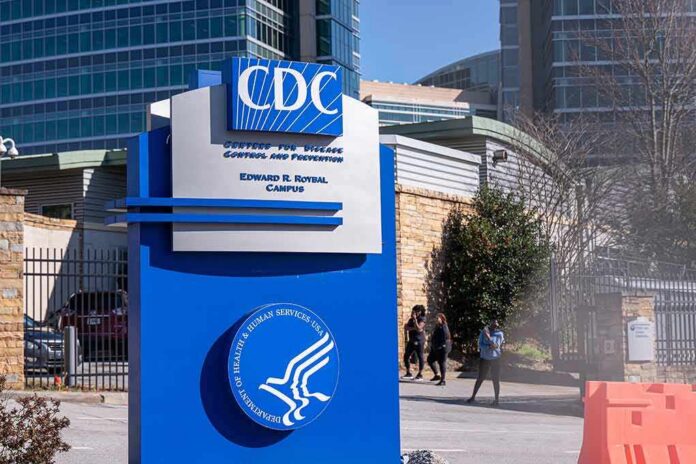
The Centers for Disease Control and Prevention issued an emergency response as Florida reports hundreds of locally acquired dengue cases concentrated around Tampa Bay.
Story Highlights
- Florida recorded 368 locally acquired dengue cases by late October, with most in Hillsborough County.
- State reports show cases more than doubled in September, signaling rapid spread.
- MedPage Today reported a Level 3 federal emergency response tied to the outbreak.
- Local health alerts and mosquito findings point to active neighborhood transmission.
Florida Data Confirm Local Transmission and a Fast Climb in Cases
Florida’s official surveillance shows local dengue spread this year, not only travel-linked cases. The state reported 368 locally acquired infections by the week-40 report in October. Hillsborough County recorded 310 of those, and Pinellas County recorded 37, highlighting a Tampa Bay focus. The same report listed 288 travel-associated infections, confirming both importation and homegrown spread. This distinction matters because it shows mosquitoes in Florida are driving part of the rise, not just visitors bringing the virus.
Florida’s week-36 report on September 17 listed 152 locally acquired cases statewide. By week 40, the total reached 368, with 188 case onsets occurring in September alone. That month-to-month jump signals brisk transmission. Health officials also reported 20 mosquito pools tied to the 2026 dengue response across eight counties, which supports the link to local mosquitoes. County alerts in Central Florida stressed bite prevention and standing-water cleanup as crews stepped up control efforts.
Federal Emergency Response Reported Amid Outbreak Scale
MedPage Today reported on October 22 that the federal government issued a Level 3 emergency response for dengue activity in Florida and a U.S. territory, describing an unusually large event. The outlet cited 745 total Florida cases, including 425 locally acquired. That framing underscores a stepped-up posture from national disease responders. The figure differs from Florida’s week-40 tally, which listed 656 total cases. Different cutoffs or definitions may explain the gap, but both sets show a significant surge.
KFF Health News echoed the Level 3 report and repeated the higher totals, putting more weight behind the scale described by MedPage Today. While the state reports give detailed county counts, they do not lay out every federal action taken in the response. The available public records focus on case tracking and mosquito findings, not staffing rosters or grant flows. Still, the combination of rising local cases and vector evidence explains why a stronger response would be engaged.
Why This Matters for Families, Travel, and Everyday Life
Local dengue transmission raises daily-life questions for families, churches, and small businesses. People who live, work, or worship outdoors face more bites, especially near standing water. Florida health advisories urge residents to drain containers, cover skin, and use repellents. These steps cut risk without heavy-handed rules. For travelers and snowbirds, the message is simple: protect against bites, watch for fever, and seek care if symptoms build after a bite. Practical habits beat panic.
The CDC has activated a Level 3 emergency response to Florida's dengue outbreak, sending epidemiologists, mosquito experts and lab teams to the Tampa Bay area.
Florida has logged 425 locally acquired cases this year, mostly in Hillsborough County, with one death, and… pic.twitter.com/p7Xv9RazXD
— Maverick (@agentmavericksi) October 30, 2026
Doctors note that a second dengue infection can be worse than the first, so preventing bites today protects tomorrow as well. Community groups can help by clearing gutters, treating birdbaths, and checking tires and tarps. Local mosquito control can only do so much without homeowners doing their part. Florida’s data show the problem is concentrated, but not confined to one block. A steady focus on basics protects seniors, kids, and workers while keeping businesses open and life moving.
How This Outbreak Fits the Bigger U.S. Picture
Local dengue spread in the continental United States is uncommon but has happened before, including in southern Florida and South Texas. Reviews of past outbreaks stress the same playbook: find cases fast, control mosquitoes, and talk clearly with the public. Florida’s current reports show strong case tracking and a quick pivot as numbers climbed in September. That action, paired with federal support reported by national outlets, aims to cut spread before it widens into more counties.
Sources:
zerohedge.com, medpagetoday.com, orange.floridahealth.gov, beckershospitalreview.com, floridahealth.gov, kffhealthnews.org