
A Portland man admitted he helped drain more than $550,000 from food aid cards by skimming numbers at store checkout terminals.
Story Highlights
- Andy Robert Perovici pleaded guilty to three federal crimes tied to SNAP and TANF skimming
- Prosecutors say losses reached about $554,000 from stolen card numbers and PINs
- Court records link him to devices planted on point-of-sale terminals in Oregon
- Government watchdogs warn benefit theft has surged nationwide since 2022
Guilty Plea in Multistate Electronic-Benefit Skimming Case
The U.S. Attorney’s Office for the District of Oregon said Andy Robert Perovici, 36, pleaded guilty to conspiracy to defraud the United States, unauthorized use of access devices, and aggravated identity theft. The plea covers a skimming scheme that hit Supplemental Nutrition Assistance Program and Temporary Assistance for Needy Families cards across Oregon and beyond. Prosecutors reported about $554,215 in losses. Perovici agreed to pay restitution and admitted the factual basis for the charges under the plea deal.
Justice Department materials describe how co-conspirators placed devices on store card readers to capture card data and personal identification numbers. With those details, thieves made cloned cards and stole funds meant to feed families. A related filing states Perovici and another suspect installed a skimmer on a terminal in Tigard, Oregon, during September 2025, aiming to harvest benefit account data for later withdrawals. The court will set sentencing after a pre-sentence report is complete.
How Skimming Works and Why Families Suffer
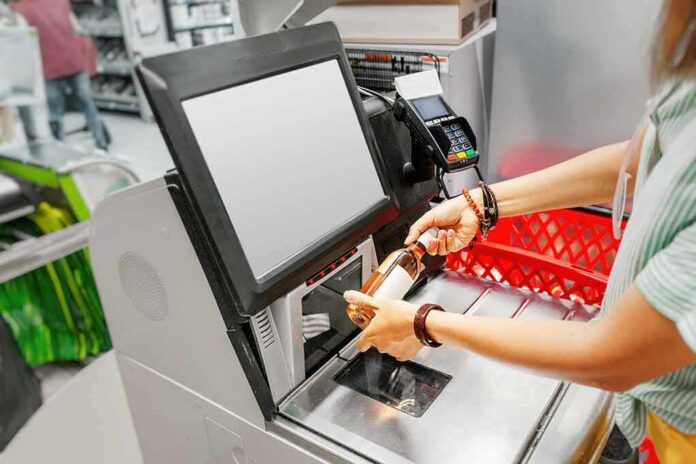
Skimming schemes target the weak points in card swipe systems. Criminals attach a reader over the real slot or inside the terminal. The fake device copies the card number while a hidden camera or keypad overlay records the personal identification number. Thieves then clone cards and empty accounts at cash machines or stores. The Government Accountability Office explains these methods and warns that the true scope of theft is larger than what states can currently measure.
For families, the harm is direct and personal. Stolen benefits mean empty fridges and canceled plans. Replacement rules vary, and victims often wait to see any relief. The Government Accountability Office reports states replaced more than $320 million in stolen benefits between 2022 and 2024, yet data gaps suggest even more money was taken by criminals who exploit aging systems and loose safeguards. These crimes drain taxpayer funds and betray public trust.
Wider Pattern: Benefit Theft Rising as Fraudsters Target Payment Systems
Federal watchdogs say fraud is shifting from crooked retailer trafficking to high-tech attacks on payment tools. That includes skimming, phishing for credentials, and cloning cards. The Government Accountability Office urges stronger prevention and better tracking, since states use uneven tools and do not report theft in the same way. Without consistent standards, criminals find weak spots and move fast across cities and states, hitting the same vulnerable people again and again.
Recent enforcement sweeps show how common these crimes have become. Federal teams have charged dozens across the country in cases tied to stolen nutrition benefits. Agencies say these operations target the food aid that working families depend on when budgets are tight. Each stolen dollar is a dollar not spent on groceries. Each fake card swipe erodes faith in a program built to help neighbors through tough times.
Accountability, Prevention, and Protecting Taxpayer Dollars
Prosecutors in Oregon say this case sends a clear message: steal public benefits, and you will face federal prison. That is the right call. Strong enforcement protects the rule of law and defends families who play by the rules. But prosecution alone cannot fix the pipes. States and vendors must harden payment systems, retire weak card tech, and deploy chip or tap solutions that block cloning. The Government Accountability Office has pressed for a full review and improved safeguards.
President Trump’s administration has prioritized fraud crackdowns that protect taxpayers and the needy. This case shows why that work matters. Congress and states should back technology upgrades, mandate faster alerts for suspicious activity, and require secure point-of-sale hardware across retailers that accept benefits. Families deserve fast restoration when crooks strike, and taxpayers deserve systems that stop the theft before it starts. When agencies, retailers, and law enforcement pull together, criminals lose and communities win.
Sources:
townhall.com, justice.gov, govinfo.gov, gao.gov