Washington’s governor sent unarmed, plainclothes National Guard members to watch ballot drop boxes in seven counties after threats and a past firebombing.
Story Highlights
- About 100 Guard members are observing ballot boxes in seven Washington counties.
- Personnel are unarmed, out of uniform, and told not to interact with voters.
- The move follows a 2024 incendiary attack that destroyed hundreds of ballots.
- Counties opted in and will use the Guard as “eyes and ears” for local police.
Governor’s Plan Places Plainclothes Guard Near Ballot Boxes
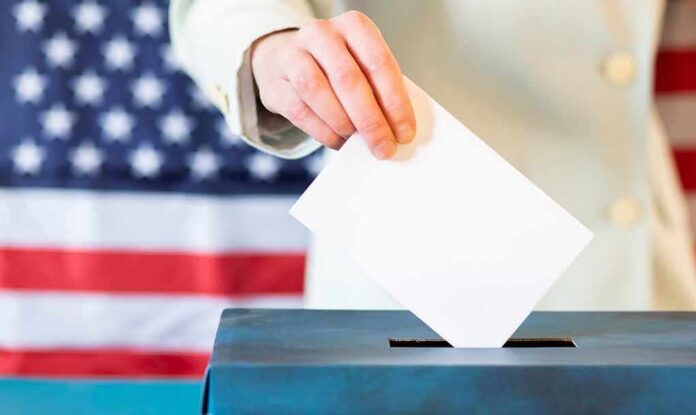
Governor Bob Ferguson authorized National Guard personnel to quietly monitor ballot drop boxes and other busy voting sites in select Washington counties. His letter to county auditors says members will serve as “eyes and ears on the ground,” coordinate with local authorities, and avoid contact with voters. The plan states they will be unarmed and out of uniform to reduce any pressure on voters. The Seattle Times described the role as simple observation of high-traffic voting locations.
State officials said the mission focuses on spotting suspicious behavior and relaying concerns to local law enforcement. The Guard is not handling ballots or running election sites. The governor’s office and press reports align on the restricted scope. They stress the observers’ low profile, non-interference with voters, and support-only posture. The program’s design aims to add deterrence and faster reporting without placing the military in election operations or near ballot handling.
Seven Counties Accept Support; About 100 Personnel Deployed
Seven counties accepted the offer: King, Snohomish, Pierce, Thurston, Clark, Lewis, and Island. A Washington Military Department spokesperson put the total Guard presence at about 100 members statewide. Coverage by national and local outlets cited the same county list and the small overall footprint. The limited size supports the state’s description of the program as supplemental security rather than any shift of election authority to the Guard or to state officials.
County election leaders chose whether to participate. Reports indicate the program’s intent is added eyes at busier sites, not a county takeover or a voter-screening team. Officials framed the effort as similar to a neighborhood watch. Guard members are meant to pass information, not question voters. The Seattle Times reported that federal election monitors would operate separately, which helps avoid confusion between different roles near voting activity.
Threats and a 2024 Ballot-Box Attack Drove the Decision
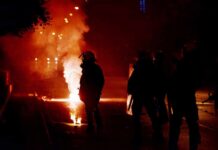
The governor’s letter cites a 2024 incendiary device attack on a Vancouver-area ballot box as the key precedent. That attack destroyed hundreds of ballots and previously led to Guard assistance. Officials point to recent threats against election workers as part of the risk picture. The state argues that plainclothes observers can deter bad actors and speed up police response if someone tries to damage a box or stash harmful materials near a voting site.
National Guard troops monitoring ballot boxes in Washington state after threats
At least 100 National Guard members were activated to assist with election security in seven counties.https://t.co/POGHuQVMsf— Marcy (@Marcy_2022) November 3, 2026
Public reports do not include a box-by-box staffing plan, duty rosters, or after-action results from this deployment period. The coverage confirms the mission’s limits, cites the county list, and gives an approximate troop total. It does not show data on whether the presence reduced incidents in 2026. That means the public picture is clearer on the “what” and “where” of the plan than on measurable results during the election window so far.
What It Means For Voters And Election Integrity
Washington runs mail-in elections and relies on ballot drop boxes across many locations. County officials who joined the program chose an added layer of watch without changing how ballots are handled. For voters, the rules are the same: return a ballot and move on. For conservatives, two points stand out. First, the Guard is not checking eligibility or touching ballots. Second, the mission keeps authority with county election offices and local police, not the military.
Election safety matters to every citizen. Attacks on drop boxes threaten the voice of lawful voters and waste taxpayer money. A small, unarmed, and non-contact Guard presence aims to protect property and evidence while leaving voter choice free from pressure. If counties and the state release post-election summaries, citizens can judge if this approach delivered real value. Until then, the facts show a narrow support role with clear limits and local control intact.
Sources:
taskandpurpose.com, hastingstribune.com, sos.wa.gov, washingtonstatestandard.com