
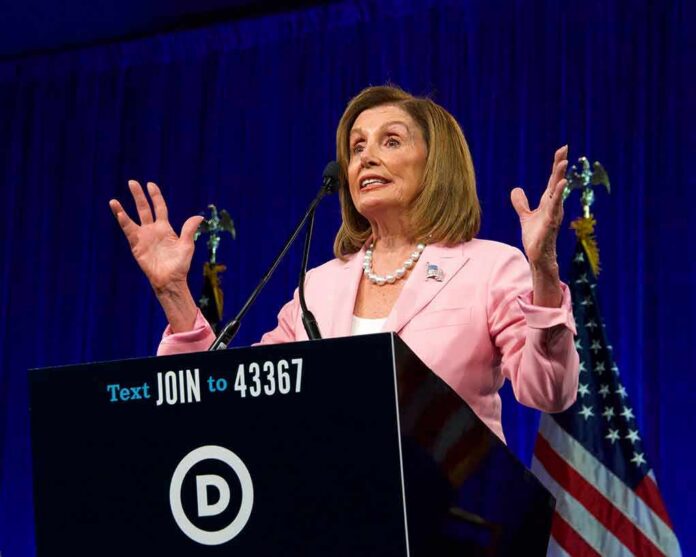
Pressed on national TV to forgive rivals like James Comey and Nancy Pelosi to “enter paradise,” President Trump said he “probably cannot” because he still hates “some” enemies.
Story Snapshot
- President Trump told 60 Minutes he likely could not forgive certain political foes.
- The exchange named James Comey and Nancy Pelosi as examples raised by the interviewer.
- Trump said pretending to forgive would be dishonest and not “real”.
- Coverage framed the moment as a window into today’s charged politics.
What Trump Said During the 60 Minutes Exchange
President Trump sat for a CBS News 60 Minutes interview and fielded a pointed question about death and forgiveness. Correspondent Ross Douthat asked whether he could feel love and forgiveness for named rivals, including former Federal Bureau of Investigation (FBI) Director James Comey and former House Speaker Nancy Pelosi, if that were the condition to “enter paradise.” Trump answered that he “probably cannot,” adding, “I do hate some of my enemies, and I always will”. He described such figures as “very dishonest” and refused to fake forgiveness.
The exchange followed a brief discussion about faith and the afterlife. Douthat framed a simple test: set aside hate for specific foes to gain heaven. Trump said the “easy” answer would be to say yes, but that would not be honest. Reports summarized his answer as a refusal to forgive even under the highest stakes. The segment highlighted Trump’s view that certain opponents crossed lines and harmed the country. He said being “real” matters more than saying what sounds good to others.
Who Was Named and Why It Resonates Now
Ross Douthat named James Comey and Nancy Pelosi to make the choice concrete. Both have been central in long, bitter fights over leaks, impeachment, and what many conservatives see as lawfare and partisan abuse. Trump’s response did not list every rival. He used careful words like “probably” and “some of my enemies.” But he made clear he would not pretend away deep wrongs he believes they did to him and, by extension, to the country’s voters who backed his agenda. Media recaps echoed that core answer across outlets.
This moment landed in a season already heavy with passion and hard lines. Many Americans are weary of years of “resistance” theatrics, two impeachments, Russia-collusion narratives, and bureaucratic leaks. Conservatives recall costly policies, border chaos, and cultural fights pushed by the left. Against that backdrop, Trump’s refusal to stage a ceremonial “forgiveness” reads, to his base, less like spite and more like honesty about real harm. Supporters see it as naming what happened rather than joining a scripted ritual to appease critics.
Honesty Versus Pretense in Public Life
Trump stressed that giving a feel-good answer would be false. He chose straight talk over performance. That posture aligns with how many on the right judge leaders: say what you mean, do not mask it in polite slogans. The interview did not settle theology. It showed a president refusing to bless people he says lied, smeared, or targeted his voters. CNN and others framed it as choosing hate over heaven, but the transcript shows a narrower claim about “some” enemies and a refusal to fake grace.
Americans can debate the moral ideal. Many Christians strive to forgive. Many also believe justice must be real, not waved away. Trump drew that line on air. He said some adversaries were “very bad people” and “very dishonest,” and he would not pretend otherwise just to pass a test at the gate of paradise. That candid stance may offend elites who like rituals of unity without consequences. But to those burned by years of political warfare, it sounds like telling the truth about the cost of that warfare.
A Window Into Today’s Polarized Politics
Scholars describe this era as one of “affective polarization,” where people not only disagree on policy but also feel distrust and moral anger toward the other side. Media incentives and constant outrage make it worse. Trump’s comments fit that climate. They were not a policy pledge. They were a human reaction after years of being attacked, probed, and impeached. The televised moment showed how personal wounds and public battles now blend into one story Americans live each day.
US President Donald Trump made controversial remarks about forgiveness during a CBS 60 Minutes interview aired on November 8, 2026. When asked whether he could forgive political rivals such as James Comey and Nancy Pelosi to enter heaven, he said he could not. Trump added that he… pic.twitter.com/Oc9NfVXvkI
— Fetch Pakistan (@FetchPakistan) November 10, 2026
Nothing in the exchange changed the duties of the presidency. The Trump administration still must defend the Constitution, secure the border, protect families, support law and order, and keep faith with working Americans. The lesson for citizens is simple: character and truth matter. Forgiveness is noble when it is real. But false words have a cost. Voters can want both mercy and justice, and they can demand leaders who say plainly what they believe—then fight for policies that make the nation stronger.
Sources:
youtube.com, people.com, edition.cnn.com, cleveland.com, deseret.com