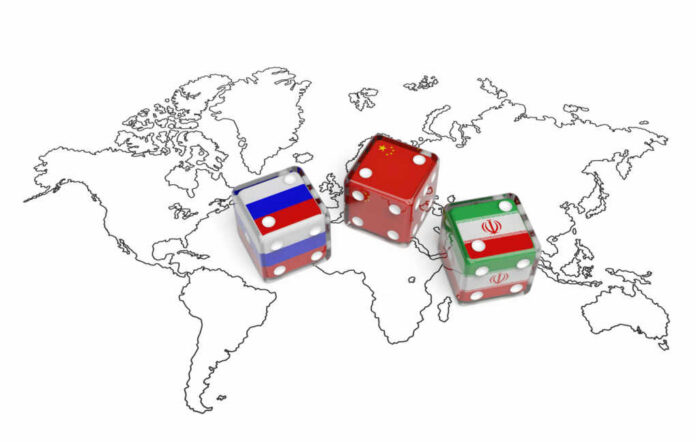
Russia is moving to exploit Cuba’s energy collapse as the Trump White House tightens pressure over Havana’s ties to America’s adversaries.
Story Snapshot
- The Kremlin says it is in active talks to provide “all possible assistance” to Cuba, framing U.S. policy as “suffocating techniques.”
- The Trump administration’s January executive order targets Cuba’s alleged threats and enables tariffs tied to oil shipments feeding Havana’s power grid.
- Cuba’s leaders acknowledge high-level message exchanges with Washington and propose cooperation on terrorism, drugs, and cybersecurity.
- Cuba’s worsening blackouts and rationing are pushing the regime into difficult choices—either deal with Washington or deepen dependence on Russia and China.
Kremlin Sees an Opening in Cuba’s Energy Emergency
On February 9, Kremlin spokesman Dmitry Peskov said Moscow is in discussions with Havana about providing assistance as Cuba struggles through an acute energy crunch. Russian messaging casts U.S. pressure as deliberate “suffocation,” while Cuban officials warn that new measures could create conditions for a near-total cutoff of energy supplies. What remains unclear is the scale of any Russian help, since neither side has detailed concrete shipments, financing, or timelines.
Cuba’s crisis is not theoretical. Reporting describes an economy in collapse and blackouts severe enough to revive “Special Period”-style rationing. President Miguel Díaz-Canel has publicly called for national “effort” and improvisation, while the government simultaneously tries to keep social stability intact. The immediate political reality is that energy shortages hit ordinary families first—food storage, transportation, and basic services—raising the stakes for any foreign policy gamble Havana makes.
Trump’s Cuba Order: National Security Framing Meets Oil Pressure
On January 29, the Trump administration issued an executive order declaring a state of emergency tied to alleged threats posed by the Cuban government. The order’s posture is national-security-first, pointing to Havana’s relationships with U.S. adversaries and the hosting of foreign intelligence-linked activity. Separately reported developments also describe new tariff authority aimed at countries supplying oil to Cuba—pressure that directly touches the island’s electricity generation.
The U.S. posture matters because it blends hard leverage with selective outreach. Sources describe the United States offering humanitarian assistance—reported as $6 million—while communications with Cuban officials continue through high-level messages rather than a public negotiation track. That approach fits a familiar Trump-era pattern: maximize leverage, keep channels open, and avoid steps that could trigger a regional migration crisis or force a larger intervention nobody wants.
Havana Floats Cooperation While Guarding Its Alliances
Cuban officials have signaled interest in renewed bilateral engagement, including proposals to expand cooperation in areas like counterterrorism, anti-narcotics, and cybersecurity. Deputy foreign minister Carlos Fernández de Cossio has acknowledged message exchanges, indicating that some level of contact is real even if a formal deal has not been announced. The gap between “talks” and an actual agreement remains the central uncertainty, especially with both sides managing domestic expectations.
For conservative Americans, the key issue is not sympathy for a communist regime; it is clarity about incentives. When Havana hosts or enables relationships that U.S. officials view as hostile—whether Russian or Chinese intelligence activity or broader alignment with anti-U.S. actors—Washington’s constitutional duty is to protect national security. At the same time, history shows that pressure without a strategy can push weak states further into the arms of America’s rivals.
Russia and China Factor: Strategic Signaling in America’s Backyard
Analysts tracking the region note that Cuba has leaned on Russia and China to offset U.S. isolation, including infrastructure arrangements and prior high-profile gestures like Russian naval visits. A defense-policy explainer argues Washington’s long-running embargo has not prevented Havana from building those ties, and that engagement could be a more effective way to peel Cuba away. Even critics of the embargo still recognize the immediate risk: Russia gains propaganda and positioning when Cuba’s desperation grows.
Russia Vows 'All Possible Assistance' To Cuba As US 'Strangles' The Population
— PredictWire (@PredictWire_) February 9, 2026
The bottom line is that Cuba’s energy emergency is becoming a geopolitical contest, not just a humanitarian story. The Trump administration is treating Havana’s foreign partnerships as a security matter while keeping limited diplomatic channels open, and Russia is advertising itself as the alternative patron. With no formal U.S.-Cuba deal confirmed, Americans should watch for verifiable actions—oil flows, sanctions enforcement, and intelligence-related concessions—rather than rhetoric designed to score points against Washington.
Sources:
Russia in talks with Cuba on assistance against US suffocating techniques — Kremlin
Addressing Threats to the United States by the Government of Cuba
Facing economic collapse, a cornered Cuba is forced into dialogue with the US
Move on from Washington’s outdated Cuba policy
Cuban soldiers fighting for Russia further strains US-Cuba relations