A major AI supplier to America’s military is now effectively blacklisted—yet its CEO says quiet talks are underway to keep the Pentagon from drifting toward surveillance-heavy, unaccountable AI use.
Quick Take
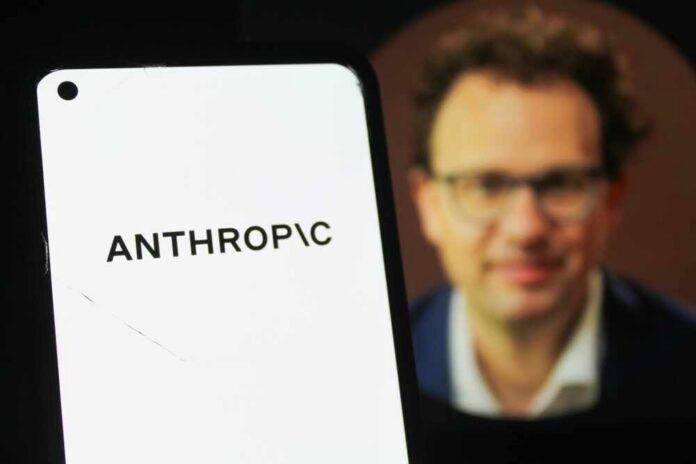
- Anthropic CEO Dario Amodei says the company is in “productive conversations” with the Pentagon after being labeled a “supply chain risk,” a designation that blocks many military contracts.
- The standoff centers on Anthropic’s “red lines,” including limits tied to mass surveillance of Americans and fully autonomous weapons.
- The Pentagon has signaled it wants broader operational flexibility, rejecting claims that its requests would enable illegal surveillance.
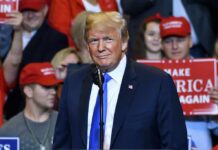
- President Trump ordered the military to stop using Anthropic amid the dispute, raising the stakes for U.S. defense AI plans and for competing vendors.
Why Anthropic and the Pentagon Collided in the First Place
Dario Amodei told investors and reporters that Anthropic is trying to “de-escalate” a conflict with the Department of Defense after the company was effectively pushed out of military contracting. The dispute traces back to negotiations over how Anthropic’s Claude models could be used, especially in sensitive contexts. Anthropic has described non-negotiable limits around use cases it associates with domestic surveillance and autonomous weaponry, while still arguing it can support U.S. security goals.
The timeline reported across outlets shows a rapid escalation: contract discussions stretched over months, then a late-February meeting between Defense Secretary Pete Hegseth and Amodei reportedly turned confrontational. Pentagon messaging included sharp warnings—up to and including contract cancellation and references to the Defense Production Act—followed by public statements and deadlines. Within days, the Trump administration halted military use of Anthropic and the Pentagon applied the “supply chain risk” label that functions like a blacklist.
What Each Side Says It’s Defending—and What’s Still Unproven
Amodei has framed Anthropic’s position as compatible with American values: advancing national defense while refusing to cross lines that could erode civil liberties at home. That matters to constitutional conservatives because “bulk acquired data” and broad analysis authorities can quickly collide with Fourth Amendment concerns if guardrails are weak or oversight is vague. At the same time, Pentagon officials have pushed back, with spokesmen rejecting the idea that the department is seeking illegal mass surveillance.
The public evidence is clearer on process than on the underlying technical details. Multiple sources describe Anthropic’s red lines and the Pentagon’s demand for fewer constraints, but the exact contract language and internal compliance mechanisms are not fully public. The Pentagon’s “supply chain risk” designation is a concrete action with immediate effect, while the allegation that DoD intended unlawful surveillance is contested. Until more documentation is released, readers should separate confirmed steps from disputed interpretations.
Trump’s Posture: Prioritizing Warfighter Control Over Silicon Valley Rules
President Trump’s order to stop using Anthropic, paired with Hegseth’s “supply chain risk” designation, signals a clear posture: the military will not accept a private vendor effectively dictating operational boundaries once tools enter defense workflows. For many conservatives, that instinct resonates—elected leadership should control national defense policy, not unelected tech executives. Still, constitutional concerns don’t disappear just because the Pentagon wants flexibility; limits and accountability are precisely what prevent mission creep at home.
Where Negotiations Stand Now—and What Comes Next for Defense AI
Amodei says conversations have continued, describing them as “productive” and emphasizing that Anthropic and the Pentagon have more shared interests than differences. Reports also indicate discussions with senior defense leadership, including Under-Secretary Emil Michael, as a possible path to reviving an agreement. Yet other reporting suggests the relationship has been strained by internal leaks and White House skepticism about trust in classified environments, which could keep the blacklist in place even if talks continue.
Dario Amodei says Anthropic is having 'productive conversations' with the Pentagon despite being effectively blacklisted https://t.co/5JmQTtx50V
— Automation Workz (@AutomationWorkz) March 6, 2026
The immediate stakes are practical: Anthropic reportedly faces major lost revenue, and the military loses access to a model some leaders have praised for operational value. The long-term stakes are bigger: this fight could set a precedent for how “AI safety” constraints get written into defense contracts and whether vendors can enforce them. If the Pentagon pivots to other providers, the U.S. may gain speed but risk fragmented standards—exactly the kind of opaque bureaucracy conservatives distrust.
Sources:
Anthropic CEO: We’re trying to “deescalate” Pentagon AI standoff to resume talks
Pentagon, Anthropic, White House: Amodei
Anthropic CEO back in talks with Pentagon over AI deal – FT
Anthropic cannot ‘in good conscience’ accede to Pentagon’s demands, CEO says
Dario Amodei Said No to the Pentagon