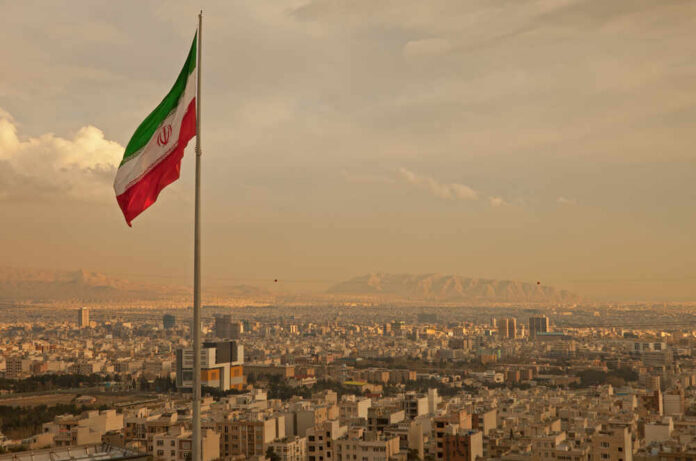
The CIA is actively working to arm Kurdish forces in a covert operation aimed at sparking a popular uprising inside Iran, raising critical questions about America’s deepening involvement in a volatile region already engulfed in warfare.
Story Snapshot
- CIA discussions underway with Kurdish leaders in Iraq and Iranian opposition groups to provide military support for internal uprising
- Operation emerges amid full-scale U.S.-Iran war following joint strikes that killed Supreme Leader Ali Khamenei
- Trump administration pursuing regime destabilization through proxy forces rather than direct ground troop deployment
- Former CIA Director Petraeus confirms U.S. cannot achieve regime change through airstrikes alone, validating proxy strategy
CIA Engages Kurdish Forces for Iran Destabilization
The Central Intelligence Agency has entered active discussions with Kurdish leaders in Iraq to arm ethnic Kurdish fighters for the purpose of inciting an internal uprising against the Iranian regime. Multiple sources familiar with the plan confirmed to CNN on March 4, 2026, that the Trump administration is coordinating with both Iranian opposition groups and Kurdistan Regional Government officials regarding military support packages. This covert approach marks a strategic shift toward proxy warfare rather than direct American military engagement inside Iranian territory, leveraging the historical alliance between U.S. intelligence and Kurdish forces established during post-2003 Iraq operations.
Strategic Timing Amid Regional War Escalation
The CIA’s Kurdish arming initiative unfolds against the backdrop of an active U.S.-Iran military conflict triggered by joint American-Israeli strikes that killed Iran’s Supreme Leader Ali Khamenei in early March. The war has already produced widespread regional disruptions including oil price surges, evacuations from multiple countries, airport shutdowns, and retaliatory attacks on U.S. facilities such as the Dubai consulate. Congressional briefings conducted on March 3 revealed the administration’s commitment to sustained operations, with military planners projecting a four-to-five week engagement window. This timeline aligns with the CIA’s efforts to establish Kurdish proxy capabilities that could accelerate regime collapse from within.
Historical Precedent Guides Proxy Warfare Strategy
The Trump administration’s approach follows decades of U.S. intelligence engagement with Kurdish populations across the region, dating back to support for Iraqi Kurds against Saddam Hussein and later cooperation against ISIS between 2014 and 2017. Iran’s Kurdish minority, comprising an estimated 10 to 15 percent of the population, has maintained low-level insurgency through groups like the Kurdistan Free Life Party since the 2000s. Former CIA Director David Petraeus explicitly acknowledged the limitations of airpower alone, stating the U.S. cannot achieve regime change “through the air,” thereby validating the strategic necessity of ground-based proxy forces. This recognition underscores why the administration is turning to battle-tested Kurdish fighters who possess both regional knowledge and motivation.
Risks and Implications for American Interests
The arming of Kurdish forces carries significant short-term and long-term consequences for U.S. foreign policy and regional stability. Immediate risks include potential refugee surges from Kurdish areas of Iran, heightened insurgency violence that could spill across borders, and continued Iranian retaliation against American assets throughout the Middle East. Long-term implications involve possible entanglement in protracted proxy conflicts should Iran descend into civil war or fragment along ethnic lines. The energy sector already faces severe disruption with oil price volatility threatening global markets and regional flight operations suspended. Congressional oversight will prove essential as this operation develops, ensuring accountability for a strategy that fundamentally relies on foreign fighters to achieve American foreign policy objectives without confirmed independent verification of arms transfers.
REPORT: CIA Moving to Arm Kurdish Fighters to Ignite Uprising Inside Iran (VIDEO) https://t.co/dtd1IrEmNr
— The Gateway Pundit (@gatewaypundit) March 4, 2026
The CIA’s discussions remain in active planning phases with no confirmed weapons deliveries reported as of early March, though the administration’s commitment to regime destabilization through proxy support appears firmly established. Patriots concerned about constitutional constraints on executive war-making powers and the dangers of covert operations lacking transparent congressional authorization should closely monitor how this initiative progresses, particularly given historical precedents where U.S.-armed proxy forces later turned against American interests or destabilized entire regions beyond initial strategic objectives.