President Trump has called for treason charges against mainstream media outlets, accusing them of criminal collusion with Iran to spread disinformation during wartime—raising urgent questions about press freedom and government overreach.
Story Snapshot
- Trump explicitly demanded media outlets face treason charges for allegedly distributing Iranian disinformation, though evidence shows these outlets actually debunked the false claims
- Multiple administration officials are coordinating attacks on news organizations, with FCC Chairman threatening broadcast licenses and Defense Secretary insulting reporters from the Pentagon podium
- Iranian state media has circulated AI-generated videos falsely claiming military victories, but responsible American outlets have exposed these fabrications rather than spreading them
- The coordinated government pressure campaign threatens First Amendment protections during wartime, potentially establishing dangerous precedent for future press suppression
Trump’s Treason Accusations Target Major News Organizations
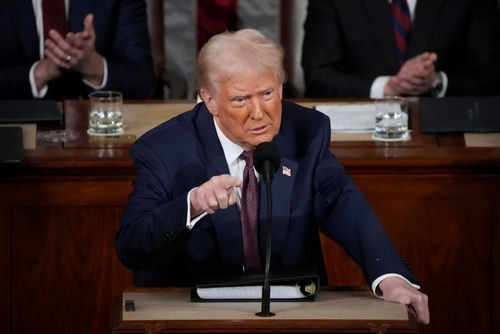
President Trump issued unprecedented demands on March 16, 2026, calling for major news outlets including CNN, The New York Times, and ABC News to be “brought up on Charges for TREASON” for allegedly distributing false information. Trump stated aboard Air Force One that media companies spreading disinformation “could be in serious jeopardy,” declaring “I actually think it’s pretty criminal, because our media companies, who have no credibility whatsoever, are putting out information that they know is false.” The accusations center on claims that outlets worked “in close coordination” with Iran to distribute AI-generated videos showing fabricated Iranian military victories.
Evidence Contradicts Administration’s Core Claims
Documented evidence reveals a critical flaw in Trump’s accusations: responsible news organizations have actually debunked Iranian disinformation rather than distributing it. U.S. Central Command confirmed only six American service members were killed, directly contradicting Iranian claims of 650 casualties. The Israeli Air Force verified that video Iran claimed showed a U.S. F-15 being shot down actually depicted an F-35 destroying an Iranian Yak-130. Disinformation researchers identified manipulated images using Google Earth screenshots and video game footage from Arma 3, all of which American outlets exposed as fabrications rather than promoted as fact.
Iranian Disinformation Campaign Targets Global Perception
Iranian state media outlets including Tehran Times, Mehr, and Tasnim have systematically circulated false military victory claims since late February 2026. The propaganda campaign includes AI-generated content falsely depicting destroyed U.S. radar systems at Al-Udeid Air Base and fabricated missile strikes on the USS Abraham Lincoln. Hundreds of misleading posts appeared on social media platforms within minutes of actual military strikes, demonstrating coordinated information warfare. While Iran’s disinformation efforts represent genuine threats to accurate war reporting, Trump’s attribution of these falsehoods to American media outlets lacks factual foundation and misdirects public attention from the actual source.
Coordinated Government Pressure Threatens Press Independence
The administration’s media attacks extend beyond presidential statements to include coordinated action across multiple government agencies. FCC Chairman Brendan Carr has threatened broadcasters’ licenses, creating regulatory pressure that could force self-censorship to avoid retaliation. Defense Secretary Pete Hegseth insulted news outlets directly from the Pentagon podium, while the White House issued press releases baselessly claiming “CNN Is Lying to Undermine Operation Epic Fury’s Crushing Success.” Trump demonstrated personal hostility toward reporters aboard Air Force One, calling an ABC News journalist “a very obnoxious person” and declaring “I don’t want any more from ABC” when questioned about the war.
Constitutional Concerns Mount Over Wartime Press Freedom
The administration’s campaign raises serious First Amendment concerns, particularly given its wartime context and apparent coordination across executive agencies. CNN commentator David Axelrod observed that “it feels like a decision has been made that if the war news isn’t better, better to attack those who report news of the war,” suggesting Trump is “envious” of authoritarian leaders like Putin who face no constitutional press protections. The systematic nature of these attacks—combining presidential accusations, regulatory threats, and cabinet-level hostility—establishes dangerous precedent for government suppression of independent journalism. For Americans who value constitutional liberties, this represents governmental overreach that threatens core freedoms regardless of partisan considerations.
Sources:
Trump and his officials pressure the news media in unison as Iran war scrutiny intensifies
Iran’s state media ramps up disinformation campaign as the US-Iran conflict wages
Despite Using Iranian Meddling to Justify War, Trump Axes Election Defenses