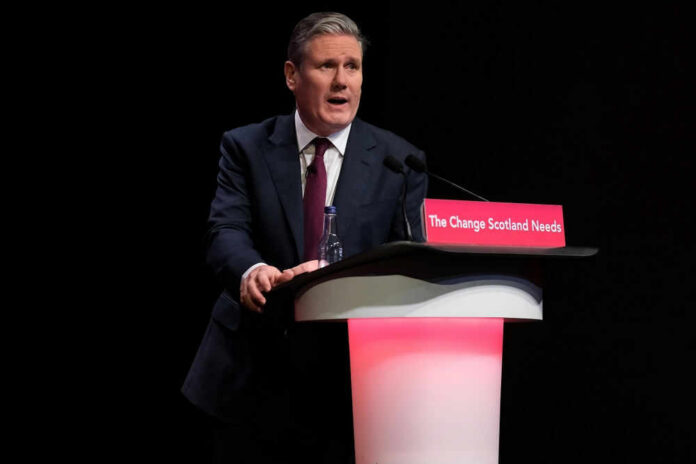
UK Prime Minister Keir Starmer’s Labour Party just crushed internal democracy by blocking popular Mayor Andy Burnham’s candidacy, exposing the cowardice conservatives warned about in weak leftist leadership.
Story Snapshot
- Labour’s NEC voted 8-1 to block Andy Burnham’s run for Gorton and Denton by-election on January 25, 2026, with Starmer personally voting against it.
- Senior Labour figures like Wes Streeting, Angela Rayner, Ed Miliband, and Lucy Powell publicly backed Burnham, igniting party infighting.
- Starmer’s approval rating plummets to -41, the lowest for any sitting UK Prime Minister in living memory amid 12 major policy U-turns.
- Critics label Starmer a “coward” for dodging tough decisions, stifling dissent, and prioritizing control over democratic processes.
Burnham Blocked in NEC Vote
Labour’s national executive committee (NEC) voted to block Greater Manchester Mayor Andy Burnham’s candidacy for the Gorton and Denton by-election on January 25, 2026. In the ten-member officers’ group, eight voted against Burnham, Lucy Powell voted for him, and Shabana Mahmood abstained. Starmer himself cast a vote to prevent the nomination. This decision halted Burnham’s bid despite his proven success as mayor. Party insiders view it as leadership clinging to power through undemocratic means. Conservatives see parallels to overreach that erodes accountability, much like globalist elites suppressing challenges here at home.
Senior Labour Figures Rebel
Health Secretary Wes Streeting, former deputy leader Angela Rayner, ex-leader Ed Miliband, and deputy leader Lucy Powell rallied behind Burnham immediately after the NEC decision. Their public support sparked a furious argument within Labour ranks. This open defiance highlights deepening factional rifts under Starmer’s rule. Critics argue such internal squabbles weaken leftist governance, distracting from real issues like economic stagnation and border failures—frustrations American conservatives know all too well from Biden-era chaos now reversed under President Trump.
Pattern of Policy U-Turns and Indecision
Starmer faces backlash for roughly 12 major policy reversals during his premiership, including cuts to foreign aid, hesitant stances on Israel-Palestine, Brexit avoidance, and cautious approaches to international relations with figures like President Trump and Iran. Commentators describe his leadership as marked by indecision and avoidance of tough positions. Paul Holden calls Starmer “a bit of a coward” who targets the powerless while deferring to elites. This pattern raises doubts about Labour’s ability to honor its mandate, echoing conservative critiques of big-government flip-flops that burden families with inflation and waste.
Starmer’s team constrained dissent, as seen when MP Kim Johnson apologized after questioning Israeli actions on Palestinians. He dismissed Amnesty International’s apartheid findings and backed Zionism without qualification. These moves prioritize control over open debate, alienating party members and voters alike.
Plummeting Approval and Long-Term Risks
Starmer’s net approval rating hit -41, described as the worst in living memory for a UK Prime Minister. Labour’s polling has tanked to century-low levels. The Burnham block signals Starmer sees him as a leadership threat, exposing instability. Critics decry authoritarian party controls over democratic candidate selection. For conservative observers, this validates warnings against socialist overreach—centralized power stifles competition, much like woke agendas and open borders eroded American values before Trump’s return restored sanity, borders, and fiscal discipline.
The UK’s Keir Starmer Takes Cowardice to New Lowshttps://t.co/yDtEJel1Oy
— PJ Media Updates (@PJMediaUpdates) March 4, 2026
Expert Nick Cohen notes Labour’s status quo obsession makes Starmer look dishonest to the public. Luke Tryl reports widespread loathing for Starmer and Chancellor Reeves. With no pro-Starmer counterviews in available data, these criticisms dominate. Burnham suffers most directly, blocked despite local success, while party members face rigged processes and Britons endure indecisive governance. Conservatives cheer: weak leaders like Starmer prove strong, principled governance—as under President Trump—delivers results without the drama.
Sources:
North East Bylines: Act of Cowardice from Starmer
Vashti Media: Keir’s Cowardice
Naked Politics: I Think He’s a Coward – Paul Holden on Keir Starmer
Nick Cohen’s Substack: Starmer’s Brexit Cowardice
Morning Star Online: Blocking Burnham – Starmer’s Cowardly Control Freaks