Fresh body-camera audio catches Karmelo Anthony saying “I’m not alleged,” as police arrest him after the fatal stabbing of Austin Metcalf.
Story Highlights
- Judge released new arrest body-camera footage from the Anthony case.
- Audio captures Anthony saying “I’m not alleged,” as officers detain him.
- Footage shows officers treating Anthony as the suspect at the scene.
- Jury already convicted Anthony of murder and issued a 35-year sentence.
What The Newly Released Video Shows
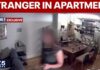
Collin County released body-camera footage from the arrest of Karmelo Anthony, who was convicted of murdering 17-year-old Austin Metcalf at a Frisco, Texas, track meet. The video, posted by local outlets, shows officers detaining Anthony, noting blood, and securing the scene as medics respond. During the arrest, Anthony can be heard saying, “I’m not alleged,” while officers refer to him as the alleged suspect. The footage comes from an assisting officer and was part of the trial exhibits [10].
Coverage from multiple outlets confirms the content and timing of the release. Local television stations reported that the 296th District Court released the footage on a Friday following the verdict. National outlets highlighted the moment Anthony speaks as he is cuffed and led away. This material aligns with earlier reports that jurors viewed video and images before returning the guilty verdict and the court’s 35-year sentence for murder earlier this month [11].
How The Audio Affects The Competing Narratives
Supporters of the conviction point to Anthony’s words as a plain admission that he did the stabbing. They argue the statement, heard on camera, undercuts his self-defense claim. Others say the same audio can be read as emotion or confusion under stress, not a full legal confession. Another clip released by a local station captured Anthony saying, “He put his hands on me. I told him not to,” which defense backers frame as a self-defense claim rather than guilt. Both lines appear on separate recordings [18].
The question is not whether the stabbing happened, but whether the use of force was justified. Jurors saw a range of exhibits, including surveillance angles and photos, then rejected self-defense and convicted Anthony of murder. The body-camera audio adds a raw view of his mindset during arrest. A Fox affiliate video highlights officers treating Anthony as the suspect and the crucial “I’m not alleged” quote. Those specifics match what jurors already weighed before issuing their decision [10].
Why Body-Camera Releases Matter Beyond This Case
Police body cameras shape how the public judges high-profile crimes. People see the suspect, the blood, and the chaos, and they form quick views long before appeals or full transcripts land. That speed can help transparency, but it can also crowd out context that a courtroom uses. Responsible outlets and viewers should match the clip to the record. In this case, the footage confirms custody details and captures Anthony’s own statements after the stabbing [14].
🚨 BREAKING: SHOCKING NEW EVIDENCE DROPS IN THE KARMELLO ANTHONY MURDER CASE! 😱
A promising 17-year-old athlete, Austin Metcalf, is DEAD — stabbed straight through the chest under a team tent during a rain delay at a Frisco, Texas track meet.
Now, chilling bodycam footage of the… pic.twitter.com/zpCOCEfplK— CONSTITUTIONAL PATRIOT🇺🇸 (@ConstitustionX) June 20, 2026
For conservative readers who want law and order, this release is a reminder: clear evidence and steady policing still matter. Texas law officers documented the scene, preserved the video, and brought it to court. A jury of peers heard claims of self-defense and said no. That is due process working as designed. When emotions run high, facts on camera and facts in court should carry the day, not social media spin or activist pressure [11].
What To Watch Next: Appeals, Policy, And Community Safety
Defense attorneys often challenge statements made during arrest. They may argue stress, confusion, or a lack of legal counsel. If appeals follow, the courts will again test the record. For parents and coaches, the setting matters. This happened at a school event, where order should be non-negotiable. Districts adopted body cameras for school resource officers years ago for moments like this, when a routine day can turn violent and evidence must be clear and fast [4].
Families expect safe fields, stands, and parking lots. They also expect consequences when violence shatters those places. The released video adds to the public record, but it does not stand alone. Jurors weighed the full case and delivered a firm sentence. That outcome should deter copycats and back the officers who respond first. Justice is not a headline; it is a process backed by evidence, and here, the camera helps show why the verdict stands [14].
Sources:
[4] YouTube – Student files to be released by Frisco ISD, high-speed Dallas chase …
[10] Web – News Flash • Frisco, TX
[11] Web – Karmelo Anthony arrest: assisting officer body cam footage
[14] Web – Newly shared police bodycam video shows Karmelo …
[18] YouTube – Track meet stabbing trial | Body camera footage of Karmelo Anthony’s …