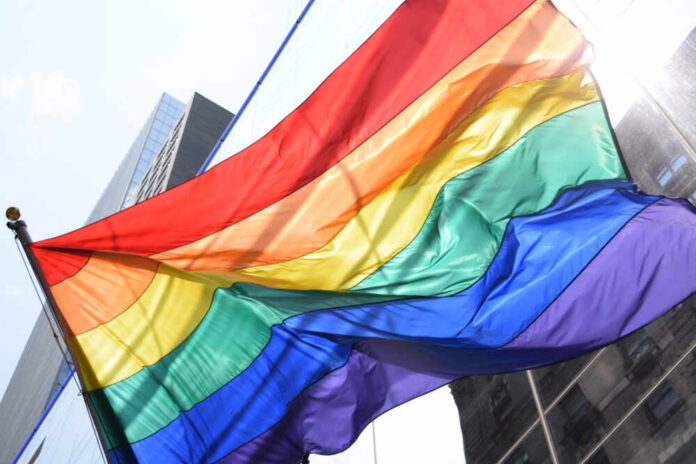
Pittsburgh Pride organizers face a staggering $420,000 funding shortfall after major corporate sponsors abandoned the event, exposing a nationwide retreat from LGBTQ activism that threatens community gatherings across America.
Story Snapshot
- Pittsburgh Pride raised only $80,000-$150,000 of its $500,000 goal by early April, with major corporations like Walmart and Tito’s withdrawing support
- Only six sponsors contributed $33,000 total, forcing organizers to cut programming including performance stages and community events while maintaining security
- The funding crisis reflects a national pattern of corporate sponsors backing away from Pride events amid cultural and political pressures
- Organizers now rely on grassroots donations and state grants rather than corporate partnerships that historically funded half the event by spring
Corporate Retreat Leaves $420,000 Gap
Pittsburgh Pride organizers announced in early April 2026 that they secured between $80,000 and $150,000 toward their $500,000 budget for the June 5-7 parade and festival. Only six corporate sponsors contributed a combined $33,000, including Sheetz, Macy’s, Trulieve, American Eagle Outfitters, ConnectiveRx, and Covestro. Director Dena Stanley revealed the organization must make difficult decisions by May about cutting stages, performers, and community programming if funding does not improve. Previous sponsors like Walmart and Tito’s Handmade Vodka declined to participate, with Walmart citing a shift to focus on internal belonging initiatives.
State Grants Patched 2025 Shortfall
The corporate funding exodus began in 2025 when organizers faced similar challenges but secured $197,000 in emergency grants from Pennsylvania’s Department of Community and Economic Development and Tourism Office. Board member Lyndsey Sickler described the volume of non-responses from corporations as “staggering,” noting that companies which previously supported the event either ignored requests or explicitly declined. The event typically costs more than $100,000 for stages alone, plus additional expenses for lighting, security, insurance, and performers. Historically, organizers raised at least half their budget by early spring through corporate partnerships.
Essential Services Protected Despite Cuts
Stanley emphasized that core security and medical services will remain funded regardless of the fundraising outcome, but warned that artistic programming and cleanup operations face elimination. The potential cuts include community stages, children’s programming, and performer compensation that attract families and diverse participants. Organizers shifted strategy to recruit individual community donors at $5 contributions, vendors who pay for booth space, and state economic development grants. Stanley expressed optimism that the event will proceed but acknowledged it will operate on a significantly reduced scale compared to previous years when corporate funding provided financial stability.
National Pattern Reflects Cultural Shift
The Pittsburgh funding crisis mirrors a broader national trend where corporations withdraw from Pride sponsorships amid increasing cultural debates over LGBTQ issues. Organizers attribute the pullback to what they describe as intensified anti-LGBTQ attacks and heightened political scrutiny of corporate social activism. This represents a fundamental shift in how Pride events secure funding, moving from reliable corporate partnerships to uncertain grassroots fundraising and government assistance. The change forces organizations to depend on community support and state economic development programs rather than predictable private sector contributions. Whether this model proves sustainable remains uncertain as Pride organizations nationwide confront similar corporate retreats that threaten the financial viability of events celebrating LGBTQ communities.
Sources:
Corporate Sponsors Pull Back on Pittsburgh Pride – QBurgh
Pittsburgh Pride faces major funding gap, organizers say – CBS News Pittsburgh