
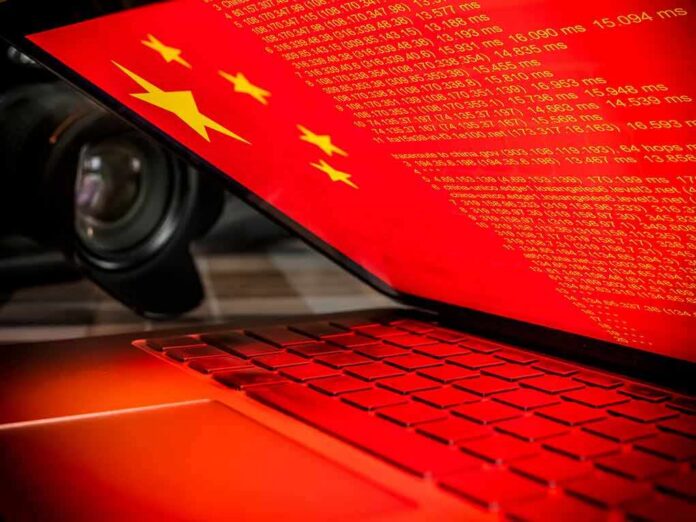
The Federal Communications Commission moved to cut China out of U.S. device testing, closing a security gap that touches most electronics Americans buy.
Story Highlights
- The Federal Communications Commission advanced rules to block Chinese labs from U.S. device certification testing.
- Roughly three-quarters of electronics testing has flowed through China, creating a major concentration risk.
- The action targets labs owned or controlled by foreign adversaries and uses existing equipment authorization rules.
- Industry and Chinese officials warn of higher costs and delays if testing shifts away from China.
What The FCC Is Proposing And Why It Matters
The Federal Communications Commission (FCC) proposed ending reliance on laboratories in China for testing phones, routers, cameras, computers, and other radio devices that need U.S. authorization before sale. The agency cited national security and supply-chain risk tied to foreign government influence over testing bodies. The FCC has already barred labs owned or controlled by prohibited entities from parts of the program and is now considering broader limits on where testing can occur to protect U.S. networks.
FCC Commissioner Brendan Carr has warned that an estimated 75 percent of electronics are tested in China, a heavy concentration that creates leverage over a key gate to the U.S. market. FCC records and reporting list more recognized labs in China than in the United States, underscoring the scale of the shift under review. The proposal focuses on the integrity of the certification step, not a blanket import ban, by tightening which labs can provide trusted measurements.
The Security Rationale: Close The Gateway, Protect The Network
The FCC’s equipment authorization program is the entry point for radio devices. Testing labs produce the data that certification bodies rely on. If a foreign adversary government can influence those labs, that creates a gateway risk to the devices that reach American homes and critical systems. The Commission has already moved against several labs tied to Chinese state influence and is weighing a wider geographic rule to reduce systemic exposure. The aim is precaution: fix weak links before they are exploited.
The public record so far does not point to a specific device that was sabotaged during lab testing. The case instead rests on ownership, control, and access risks. The July 2025 Federal Register action documented a rule that bars reliance on labs owned or directed by prohibited entities for certain authorizations and proposed broader recognition limits across the program. That approach matches other security steps where the government mitigates systemic risk without waiting for a breach in every instance.
What Shifts For Manufacturers, And How Fast
Manufacturers that have long tested near Chinese factories may need to use laboratories in the United States or allied countries. That change could affect timelines and logistics because many products pursue certification late in development to hit launch windows. Reporting notes that China houses a large share of recognized labs today, so moving work elsewhere will require capacity growth and careful scheduling to avoid bottlenecks. The FCC has sought comment on recognition requirements and transition issues.
Tech industry voices warn about delays and higher costs if testing moves far from production lines. Coverage says smaller firms could struggle the most with earlier bookings and travel of samples, which could push some costs into retail prices. Analysts friendly to Beijing argue that a basic test is far cheaper and faster in China than in the United States, and they predict global capacity will feel strain during the shift. These claims highlight real transition risks, though they do not address the security concerns that drove the proposal.
How This Fits President Trump’s Broader Security And Supply-Chain Push
President Trump’s administration has backed rules that reduce U.S. dependence on foreign adversaries for critical steps in technology supply chains. The FCC’s move continues that theme by hardening the gate for electronics that touch American airwaves and data. The rule builds on powers Congress provided and on earlier actions against covered foreign firms. The message is clear: security comes first, and American buyers should not rely on testing controlled by rival governments.
Federal Communications Commission (FCC) Proposal Would End Chinese Labs’ Role in US Device Testing. The proposal would, starting Dec. 1, 2028, recognize only U.S. labs and labs in countries that grant American facilities the same standing. https://t.co/KpHHIUsHAw
— Joe Tuzara, M.D. 🇺🇸🇨🇭🇵🇭 (@TuzaraPost) October 13, 2026
Reasonable people can debate timelines and capacity. The policy tradeoff is direct: accept some near-term cost and planning friction to cut a large national security risk, or keep a fragile status quo dominated by Chinese labs. The FCC is taking public input on how to make the transition workable while staying firm on the core goal. For families, small businesses, and critical services, cleaner supply lines mean fewer surprises and stronger protection for the devices we trust every day.
Sources:
zerohedge.com, reuters.com, en.brnn.com, techspot.com, globaltimes.cn