
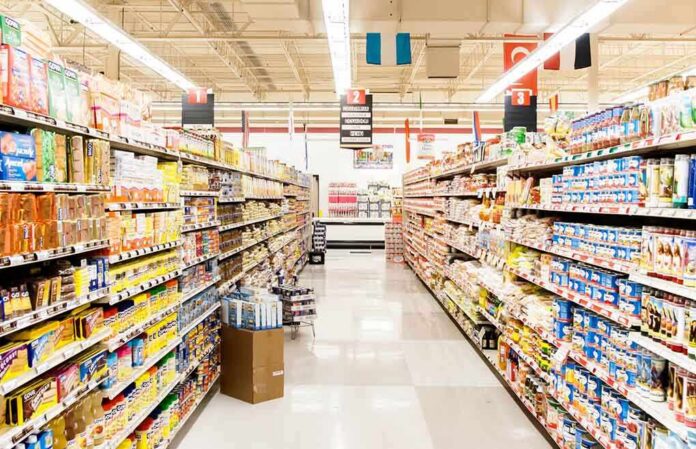
A New York Federal Reserve study says tariffs added 2.9 points to goods inflation by February 2026.
Story Highlights
- New York Fed researchers link a 2.9-point rise in goods inflation to 2025–early 2026 tariffs.
- The study says prices for a 67-item goods basket would have dipped slightly without tariffs.
- Other Federal Reserve research says tariffs alone do not explain broader inflation in 2025.
- Trade-offs: tariffs can support industry and security but raise short-run consumer prices.
What the New York Fed Found About Prices and Tariffs
Federal Reserve Bank of New York economists reported that recent tariffs lifted consumer goods prices by 2.9 percentage points by February 2026. The team examined 67 non‑oil consumer goods and said those prices would have fallen a bit without the tariffs. The post explains that much of the increase came from direct pass‑through of import taxes into retail prices. The researchers place the timing squarely on tariffs set in 2025 and early 2026, not on unrelated shocks.
New York Fed coverage in national outlets described the same headline number and the same sample. Reports said the bank’s analysis tied the entire rise in that goods basket to tariff policy during the period studied. These stories repeated the finding that, absent tariffs, the basket would have been slightly cheaper. The press also highlighted the idea that import taxes can spill over to the prices of items made in the United States when firms face less foreign price pressure.
How This Fits With Other Federal Reserve Research
Boston Fed economists reviewed the 2025 inflation picture using a different lens. They measured core inflation, which excludes food and energy, and found tariffs plus productivity changes added about 0.5 percentage point. They said trade policy alone could not explain why inflation stayed near 3 percent in 2025. They pointed to other drivers that likely lasted longer than tariff effects and also mattered for family budgets.
Federal Reserve researchers in Washington assessed tariff pass‑through across time. Their note found that tariffs tend to raise consumer goods prices, and that pass‑through in 2018–2019 was fast. Their more recent follow‑up suggested the 2025 tariffs passed through more slowly at first, though over several months the effect on relative prices could become large. That pattern helps explain why some shelves stayed steady early and then climbed later in the year.
What It Means for Shoppers, Workers, and Policy
Households felt a near‑term squeeze on many everyday goods, according to the New York Fed’s goods‑basket result. That sting is real at checkout, especially for seniors and families on fixed incomes. At the same time, tariffs can be a tool to resist unfair trade, protect factory jobs, and cut reliance on hostile regimes. Leaders must weigh these near‑term price costs against long‑term gains in supply security, domestic production, and national strength.
Policy makers can blunt the pinch while keeping pressure on foreign cheaters. Steps include speeding permits for American factories, opening more energy production to lower freight and input costs, and slashing red tape that bloats prices. Clear labeling and tougher antitrust enforcement can keep firms from using tariffs as cover for extra markups. The mix should defend industry, reward work, and protect families from avoidable price pain while America rebuilds capacity at home.
How to Read the Competing Numbers
Different measures answer different questions. The New York Fed’s 2.9‑point estimate looks at a defined set of goods and a narrow time window tied to tariff changes. The Boston Fed’s 0.5‑point figure looks at core inflation across the whole economy and weighs offsets like productivity. Both can be true at once. Goods got pricier from tariffs, while broader inflation still reflected energy, services, housing, and other forces outside trade policy.
Bottom Line for Conservative Readers
The data show a trade‑off, not a failure. Tariffs raised prices on many goods in the short run, as designed, to push supply chains away from China and rebuild American industry. The path forward is to pair tough trade with pro‑growth steps that lower costs at home: more American energy, faster project approvals, and lean government. That approach secures our economy, protects families, and keeps our independence strong while easing the checkout line strain.
Sources:
feedpress.me, finance.yahoo.com, mk.co.kr, govfacts.org