
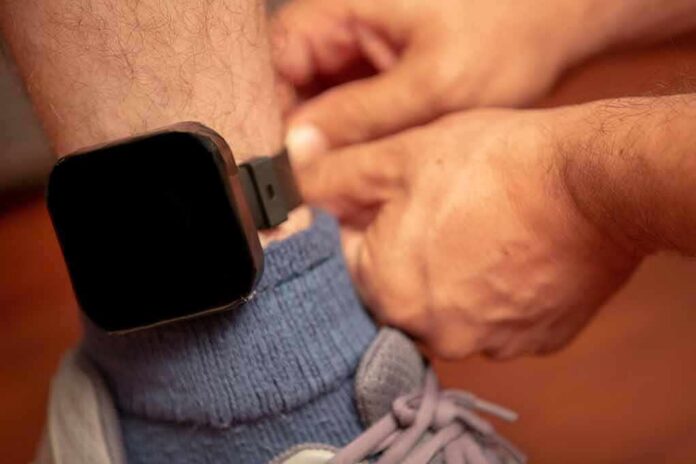
A federal judge removed a terror suspect’s ankle monitor so he could keep a school job and enjoy newlywed life, despite prosecutors warning about flight risk and public safety.
Story Snapshot
- Judge lifted ankle monitor and curfew for accused plotter; passport stays seized.
- Defense cited school coaching, prayer, and marriage burdens from the device.
- Prosecutors warned of flight risk, threats, and counter-surveillance tactics.
- No written order or transcript explains the judge’s full reasoning yet.
What The Court Changed And What It Kept
On November 3, 2026, a judge eased bond rules for Berkay Körkaya, a charged member of a group accused of threats aimed at the University of Michigan and others tied to Israel. The judge removed his ankle monitor and curfew so he could work as a fifth-grade teacher and soccer coach at Salam School. The court left other limits in place, including taking his passport. The court record we have does not include a detailed written order or transcript explaining the legal basis for the change.
Defense lawyers said the device made his school duties hard and exposed him during prayer, and they pointed to his recent marriage and lost honeymoon plans under a night curfew. A local Islamic leader told the court that players hit the bracelet in scrimmages and that it showed during bowing, even under long pants. The request asked to modify, not end, supervision. The court’s decision aligned with that narrow ask but did not end pretrial oversight.
Why Prosecutors Objected: Safety, Flight, And Evasion
Federal prosecutors argued that Körkaya poses a serious flight risk and a risk of obstructing justice or intimidating witnesses, and urged continued monitoring. They said he had used police scanners and turned off his cellphone during the alleged conduct. They argued those steps show cellphone tracking is not a safe substitute for a tamper-alert ankle unit. They also cited dual United States–Turkish citizenship and alleged plans to support Hamas to explain higher risk concerns.
Prosecutors referenced messages they said showed planning for violent acts, including firebombing, using a vehicle against a home, and keeping pressure on campus officials through fear. An independent legal summary reported the indictment describes surveillance of targets and counter-surveillance of law enforcement. The government’s appeal filing earlier in the case also emphasized public safety and flight risk, and sought stricter controls at that stage. These claims remain allegations in a pending case.
The Missing Record And What It Means
The hearing reporting does not include the court’s written findings on risk, technology limits, or why remaining conditions were enough. Without that document, the public cannot see how the judge weighed employment and marriage burdens against safety and flight concerns. The government’s technical claim about scanners and phone shutoffs, if accurate, challenges the idea that a phone can replace an ankle bracelet. That dispute cannot be settled without the full order and supporting evidence.
The big question is necessity and proportion. Federal courts often use electronic monitoring to cut jail time while protecting the public, but research on how well it works is mixed and sometimes dated. Some studies find it does not clearly boost court appearance or reduce re-arrest compared to less restrictive steps. That uncertainty puts more weight on case-specific facts: past compliance, alleged evasion, travel ties, and whether other limits, like passport seizure and no-contact rules, truly manage the risk.
Why This Case Resonates For Our Readers
Families want safe schools and equal justice. When a defendant tied to alleged threats gets lighter monitoring so he can coach and travel at night, people ask who carries the risk if things go wrong. Prosecutors warned that the same person allegedly tried to dodge tracking and talked about violent acts. The court still loosened controls and did not publish full reasoning yet. Transparency, strong enforcement, and public safety should come first in any pretrial change.
What To Watch Next
Watch for the release of the November 3 order or transcript that states the judge’s findings on risk, monitoring reliability, and why other conditions suffice. Look for any record of Körkaya’s compliance or violations under prior rules. Track whether the school provides documents showing the device made coaching unworkable, not just awkward. Follow any upcoming hearings where prosecutors renew safety arguments or present more evidence on scanners, phone shutoffs, and travel risk.
Sources:
wislawjournal.com, rairfoundation.substack.com, reason.com, eu.detroitnews.com, dailywire.com, uscourts.gov