El Salvador’s president warned Haiti’s most violent gangs to release four Salvadorans alive or face a far stronger military response, after an ambush left the men missing in a gang-controlled zone.
Story Highlights
- President Nayib Bukele launched a rescue mission after four Salvadorans vanished in Haiti following an ambush.
- Bukele warned gangs that a harsher response would follow if the men are not returned alive.
- Officials said the team were aviation technicians supporting medical evacuations, not combat troops.
- Bukele said bodies shown to his forces were not the missing men, keeping the rescue active.
Rescue Mission Triggered By Ambush In Gang Territory
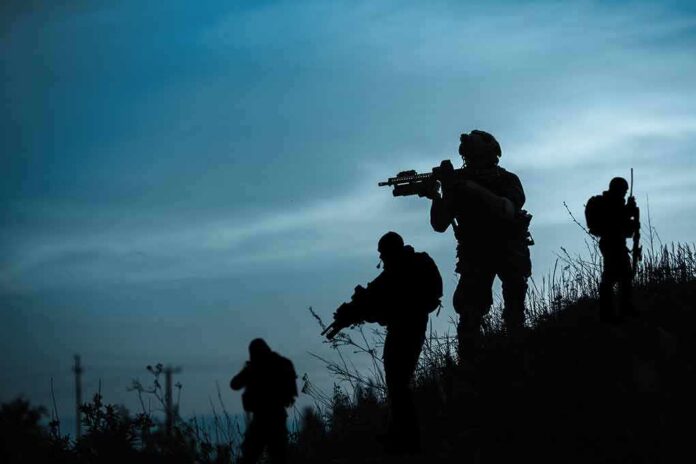
Associated Press reported that President Nayib Bukele ordered a military operation to rescue four Salvadoran aviation technicians who went missing after an ambush near Croix-des-Bouquets on October 21, 2026. Reporters said the men fled a burning vehicle and then disappeared in an area long controlled by armed groups. Salvadoran officials tied the rescue to the specific attack, not a wider war. The government’s stated goal was simple and narrow: bring the four men home alive.
Bukele’s warning was direct and public. He said the attack seen that day would be small compared to what would come if gangs did not release the men alive. The message aimed to deter further harm and force quick action by the captors. That stance fits Bukele’s hard line on gangs at home, where he promotes fast, tough responses to violent crime. In Haiti, the warning served both as leverage and as a signal of resolve to allies and rivals alike.
Who The Missing Men Are And What They Were Doing
Salvadoran leaders said the four missing were pilots and technical staff assigned to support medical evacuations and save lives, not to fight. That description puts the incident in a humanitarian frame. It also explains why the government treats the case as an attack on noncombat personnel. Some reports used the term soldiers, but the official role emphasized aviation and medical support tasks. The public record, based on officials’ statements, presents them as noncombat team members.
The ambush location matters. Croix-des-Bouquets has been called a stronghold for armed groups and criminal networks, making movement risky for any foreign team. That context explains the use of armored vehicles and a quick shift to a rescue posture after the attack. It also shows the scale of Haiti’s security crisis. Armed groups hold ground, block key roads, and test any foreign presence. Those facts raise the stakes for any mission that moves patients, supplies, or staff in and out.
Bodies Shown To Forces Were Not The Hostages, Bukele Says
Days after the ambush, reports in Haiti described bodies presented to Salvadoran special forces as possibly matching the missing men. Bukele pushed back, saying the remains were not his personnel. He said the group included a child’s body and a person in another country’s uniform, which made the claim false and the identification impossible. That statement kept the rescue mission active and focused on finding the four alive.
Media coverage stressed the warning of escalation if gangs hurt the hostages. The reports also noted that the rescue effort started without public proof of who held the men or where they were. That is common in hostage crises. Governments must act with limited details while they try to gather fresh intelligence. Rescue plans often change by the hour as teams confirm, or rule out, leads on the ground. Speed, pressure, and clear goals can help, but conditions can still shift fast.
Why This Standoff Matters Beyond Haiti
El Salvador’s action sits inside a larger, United Nations-backed drive to support Haiti against armed groups, but reporting has not laid out the legal paperwork or rules that shaped this specific rescue step. For many readers, the core point is straightforward. A nation sent technical staff to help save lives. Gangs hit them in a known danger zone. Their leader then vowed to bring them home and warned of costs if gangs harmed them. That chain shows resolve against lawless violence.
For Americans watching from home, this is a reminder of first principles. Governments exist to protect their people and deter predators. Criminal armies collapse only when leaders make the price of targeting innocents too high to bear. Bukele’s message was simple: release them alive. The response matched the threat. That is the firm posture citizens expect when life and liberty are on the line—clear demands, focused force, and no reward for kidnapping or terror.