Washington now says Hezbollah operates under Iran’s Qods Force command, reshaping how America targets the group’s cash and enablers.
Story Highlights
- Treasury re-designates Hezbollah as operating under Iran’s Islamic Revolutionary Guard Corps–Qods Force command.
- Prior actions documented the Qods Force role as the external arm of Iran’s Guard and a backer of Hezbollah.
- Sanctions teams have long hit networks serving both Hezbollah and the Qods Force.
- Debate remains on Hezbollah’s autonomy, but Treasury’s move tightens pressure based on U.S. findings.
Treasury’s 2026 Move Ties Hezbollah to Iran’s Qods Force Chain
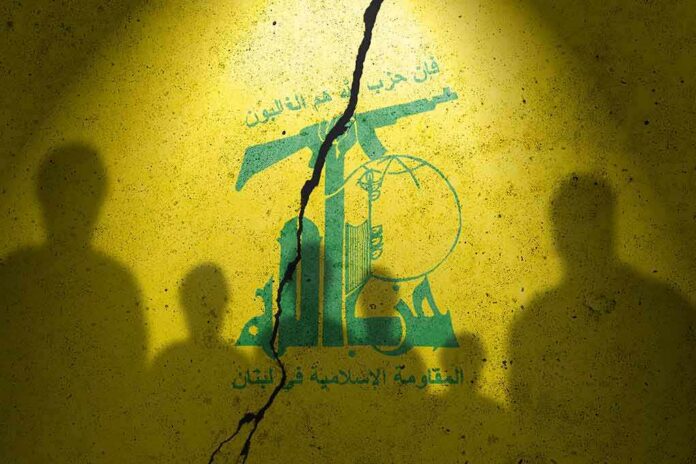
The U.S. Department of the Treasury said the Office of Foreign Assets Control re-designated Hezbollah for service to the Iranian regime under the command of Iran’s Islamic Revolutionary Guard Corps–Qods Force, calling the group not a stand-alone operation. Officials framed the step as a clearer map of who gives orders and who moves money. This matters for banks, shippers, and insurers. It signals that dealing with Hezbollah-linked actors now risks exposure to Qods Force sanctions, penalties, and seizures.
Treasury’s description pushes beyond past wording that spoke of support or alignment. The re-designation anchors Hezbollah inside an external-operations command model that points back to Tehran. Compliance teams will likely widen screening terms to include Qods Force officers, fronts, and logistics hubs. That tighter picture raises costs for money launderers and commodity smugglers who try to mask dual ties. It also gives President Trump’s administration a firmer base to pursue secondary pressure on foreign facilitators.
Long Record: Qods Force Backing and Proxy Networks
U.S. actions over two decades built the record behind this step. In 2017, Treasury designated Iran’s Islamic Revolutionary Guard Corps for activities in support of the Qods Force, which had itself been designated in 2007 for supporting several terrorist groups, including Hezbollah. In 2021, Treasury targeted international financial networks that operated in support of both Hezbollah and the Qods Force, under the core counterterrorism authority of Executive Order 13224, as amended. These moves formed the pattern now made explicit.
That sanctions history described how facilitators moved cash, gold, and oil revenues through layers of companies, exchanges, and couriers. It often named dual-service roles, where the same network helped Hezbollah and the Qods Force at the same time. The new re-designation aligns the command picture with the money trail. For U.S. partners, it simplifies choices: treat Hezbollah-facing dealings as de facto Qods Force exposure. That clarity supports faster freezes and joint enforcement actions across borders.
Why This Matters for U.S. Security, Law, and the Borderless Economy
Clear chains of command help target the right nodes. When Washington links Hezbollah to the Qods Force command, it can freeze assets sooner and deny access to the dollar system. This protects American families and businesses from funding pipelines that fuel rockets and terror. It also tells global banks to clean up their books. If they ignore the warning, they risk losing access to U.S. markets. That is leverage the United States must use to deter Iran’s shadow wars.
The step also backs our troops and allies. Qods Force planners run external missions. Hezbollah fighters and financiers extend those missions across the Levant and beyond. Linking them helps stop weapons flows and cuts off insurance and shipping support. It is a direct answer to years of Iranian proxy attacks and maritime threats. It shows the Trump administration is using tools that punish bad actors without putting American soldiers in harm’s way when financial choke points can do the job.
Counter-Claims on Autonomy, and What the Record Shows
Hezbollah leaders and some analysts argue the group acts on its own in Lebanon and is more a partner than a proxy. Hassan Nasrallah has said Iran supports resistance groups but does not control their leadership. Those claims reflect one view on the ground. The public U.S. record, however, documents the Qods Force as Iran’s external arm and ties Hezbollah’s finance and operations to it through repeated sanctions and designations. Treasury’s 2026 language moves that linkage from support to command.
There are limits to what the public can see. Many evidentiary files remain classified. Sanctions actions rest on executive findings, not courtroom trials. Still, the pattern is strong and consistent. Treasury has tracked facilitators that serve both Hezbollah and the Qods Force and has acted on that overlap for years. The new step clarifies policy for enforcers and banks. It narrows wiggle room for shell firms that hide behind claims of political autonomy while moving Tehran’s money and orders.
Bottom Line for Readers
The United States has drawn a hard line: if you fund Hezbollah, you are touching Iran’s Qods Force. That makes it easier to seize assets, block ships, and warn banks abroad. It protects American communities by starving terror pipelines of cash. It also respects the rule of law by using existing sanctions powers. The message is simple and strong: no more excuses for financiers who help Iran’s network threaten our allies, our embassies, or our homeland.
Sources:
2001-2009.state.gov, home.treasury.gov