Secretary of State Marco Rubio sanctioned the International Criminal Court’s president and a senior lawyer, drawing a clear line to protect American and Israeli sovereignty.
Story Highlights
- Rubio announced sanctions on ICC President Tomoko Akane and senior lawyer Abdoulaye Seye.
- State Department campaign aims to dismantle ICC threats to U.S. sovereignty.
- Treasury actions block targeted officials and tighten financial restrictions.
- Critics claim sanctions undercut international justice and show a double standard.
Rubio Targets ICC Officials With Sanctions
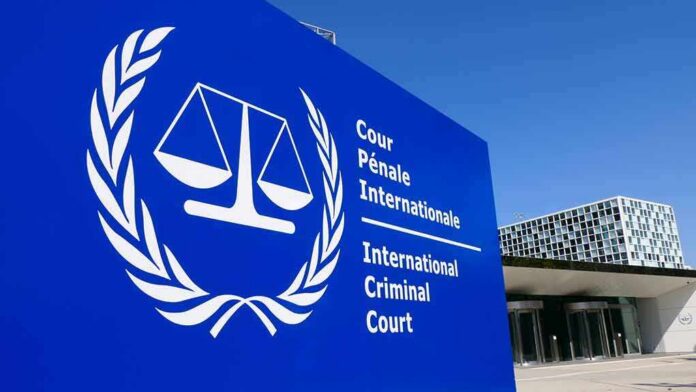
Secretary of State Marco Rubio imposed sanctions on International Criminal Court President Tomoko Akane and senior trial lawyer Abdoulaye Seye. The announcement marked a new step in the administration’s stance that the court has no authority over Americans or Israelis. Reports identified both officials as targets of the new penalties. The action follows ongoing court activity related to alleged war crimes that involve U.S. service members and Israeli officials, which Washington rejects as illegitimate overreach.
The administration framed the measures as part of a broader effort to shield Americans from foreign legal bodies. The White House earlier set policy that the court lacks jurisdiction over the United States or Israel, since neither nation is a party to the court’s founding treaty. That policy set the legal and diplomatic groundwork for sanctions and travel limits on court staff who pursue cases against U.S. or allied personnel.
State Department Campaign To Dismantle ICC Pressure
The State Department announced a campaign to dismantle the court’s threat to U.S. sovereignty. The plan includes visa revocations, travel bans, and increased sanctions on court personnel and affiliated groups. Officials said the goal is to stop political lawfare that targets American troops, intelligence officers, and allies who fight terrorists and defend their borders. The department’s outline shows a whole-of-government push using diplomatic, legal, and financial tools to block the court’s reach.
The Treasury Department’s Office of Foreign Assets Control issued guidance for the court-related sanctions program. The materials describe restrictions on transactions with designated persons and wind-down terms for affected dealings. These steps make it harder for sanctioned court officials to move money, hire services, or travel through U.S.-linked systems. The program signals that attempts to prosecute Americans abroad will carry real costs inside the global financial network.
Why Sovereignty And Self-Defense Are The Red Lines
U.S. officials argue that American courts, Congress, and voters hold U.S. leaders and troops to account, not foreign tribunals. They point to the Constitution, which places the nation’s justice system under elected control, not global bodies. They also stress that Israel faces constant terror threats and must make hard wartime calls. Washington’s view is that outside prosecutors cannot second-guess battlefield decisions from free nations that do not answer to the court’s treaty or judges.
Supporters of the sanctions say past global bodies drifted into politics and punished those who resist fashionable causes. They see the court’s probes into U.S. and Israeli actions as a setback for common-sense self-defense. The State Department’s new steps put weight behind that position. When a tribunal pushes beyond clear consent and treaty limits, backers argue, the right answer is to cut off access, restrict travel, and warn partners away from enabling overreach.
Pushback From International Law Advocates
Critics claim the sanctions undermine the court and hurt victims of war crimes. A human rights lawyer, Philippe Sands, argued that the court’s jurisdiction is limited, but valid in some cases, and accused Washington of a double standard. He said the United States supports the court when it targets rivals yet resists when allies face scrutiny. These voices call the sanctions a blow to international justice and a step away from accountability norms.
Rubio announces sanctions on ICC president https://t.co/6TqUUdk5G7
— Mihai Scorobete (@MihaiScorobete) August 19, 2026
United Nations-linked commentary also condemned U.S. measures as wrong under international law and harmful to global justice efforts. These statements urge Washington to reverse course and engage the court. The administration rejects that view and says no American will be hauled before a foreign bench. For now, the U.S. path is set: protect sovereignty, back allies under fire, and make clear that international law cannot be used to punish those who defend freedom.
Sources:
redstate.com, diplomacyandlaw.com, newscord.org, apnews.com, time.com, state.gov