
Prediction markets are facing unprecedented scrutiny as blockchain analysts expose over $1.2 million in suspected insider trading profits from Iran war bets, raising alarm about national security leaks and the monetization of classified military decisions.
Story Snapshot
- Six suspected insiders allegedly profited $1.2 million on Polymarket by betting on U.S.-Israeli strikes against Iran before they occurred, with one trader netting $600,000.
- Senate Minority Leader Adam Schiff called war and death prediction contracts “immoral” and demanded the CFTC ban them entirely.
- Kalshi triggered trader backlash by invoking a “death carve-out” rule on its Ali Khamenei market to prevent direct profiting from his potential death.
- The controversy exposes gaping holes in federal oversight, with state regulators now arguing these platforms look more like illegal gambling than legitimate financial markets.
Blockchain Forensics Uncover Suspicious Iran War Profits
Bubblemaps, a blockchain analytics firm, publicly identified six wallets on Polymarket that placed extraordinarily well-timed bets on Iran conflict outcomes just before the February 28, 2026 U.S.-Israeli strikes. The firm’s on-chain analysis traced approximately $1.2 million in profits to these accounts, including a trader nicknamed “Magamyman” who reportedly walked away with roughly $600,000. The bets centered on whether and when the U.S. would strike Iranian targets and on the fate of Supreme Leader Ali Khamenei, raising red flags about possible access to classified military planning. These suspiciously timed positions materialized in the narrow window before oil prices spiked and strikes became public knowledge, suggesting traders may have leveraged non-public information to secure massive payouts.
Politicians and Academics Demand Federal Crackdown
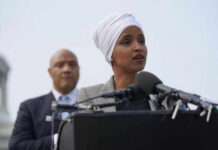
Senate Minority Leader Adam Schiff seized on the insider trading allegations to call for an outright ban on war and death prediction contracts, branding them “immoral” and a national security risk. Schiff urged the Commodity Futures Trading Commission to prohibit such markets entirely, arguing they create perverse incentives for officials, contractors, and intelligence personnel to profit from confidential decisions. Kevin Williams, an economics professor at Occidental College, echoed those concerns, insisting the platforms “look a lot more like gambling” than legitimate investing and that federal oversight remains “too thin.” Williams suggested state gambling boards might be better positioned to regulate these markets, highlighting a growing turf battle between the CFTC and state authorities over who has jurisdiction to police prediction platforms that blur the line between derivatives and wagering.
Kalshi’s “Death Carve-Out” Sparks Trader Fury
Kalshi, a CFTC-regulated prediction exchange, ignited controversy when it applied a pre-announced “death carve-out” rule to its market on whether Ali Khamenei would remain Iran’s Supreme Leader. Instead of paying full winnings tied to Khamenei’s potential death, Kalshi settled the contract at the last traded price before official confirmation and refunded trader fees. Co-founder Tarek Mansour defended the decision as necessary to avoid direct “death profiteering,” stating the exchange must follow its rules even when traders disagree and pledging to make such carve-outs more prominent going forward. The move underscores the ethical minefield these platforms navigate: balancing user expectations of transparent payouts against legal and moral constraints that intensify when contracts hinge on violent outcomes or fatalities, a tension that has now drawn sustained political and regulatory fire.
Regulatory Gap Widens as War Markets Surge in Volume
The Iran conflict has driven explosive growth in geopolitical prediction markets, with Polymarket’s “Israel strikes Iran by June 30, 2026?” contract amassing over $800,000 in volume since its December 2, 2025 launch and hitting near-100% implied probability as strikes materialized. Yet neither the CFTC nor state regulators have established clear rules governing war-related contracts, leaving a vacuum that critics say invites insider abuse and threatens national security. The CFTC retains federal jurisdiction over event contracts classified as derivatives, but states increasingly argue that war and death bets resemble illegal gambling subject to their oversight. As of early March 2026, no comprehensive ban has been announced, but mounting political pressure and the glaring national security implications of monetizing classified military decisions suggest stricter regulation—or outright prohibition—may be imminent, forcing platforms like Polymarket and Kalshi to reckon with whether their growth model can survive in a post-Iran-war regulatory landscape.
Sources:
The 2026 Iran War: An Initial Take and Implications – Oxford Economics
New prediction markets in spotlight after people profit from Iran war – ABC7
Israel strikes Iran by June 30, 2026? – Polymarket