
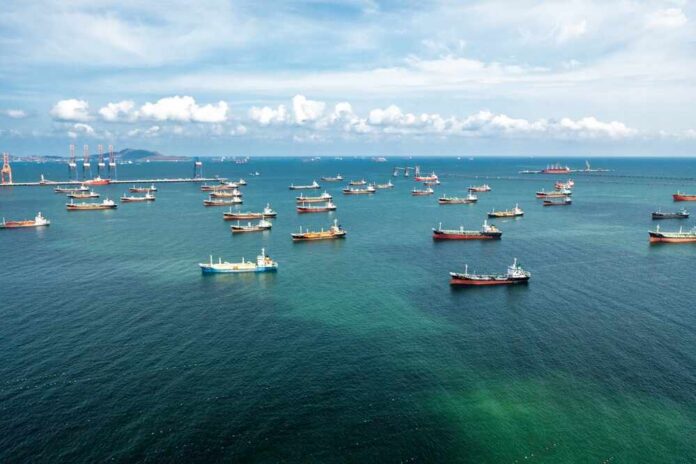
A CNN anchor declared Iran “controls” the Strait of Hormuz—yet fresh data shows traffic is rising and U.S. pressure still matters.
Story Snapshot
- Iran again claimed a shutdown, but ship movements picked up within a day [1][2].
- Traffic remains far below normal; risk from mines and interference persists [3][4][5].
- Reports say a 14-point memo allows 60 days of toll-free passage, then debate over fees [14][15].
- Media framing of a “U.S. loss” clashes with evidence of U.S.-assisted transits [3].
What Iran Claimed Versus What Ships Did Next
Reuters reported that Iran announced another shutdown of the Strait of Hormuz over the June 21 weekend, and shipping slowed in response [1]. Bloomberg then showed activity rebounding on June 22, with multiple tankers entering the chokepoint. That suggests the “closure” was not absolute and could be tested by operators watching escorts, mines, and insurance [2]. This pattern matches months of selective control. Iran makes threats, traffic dips, and then some ships move again on narrow, negotiated routes [4].
Before June, Fortune described a de facto split into separate lanes, including a new Iranian authority and a U.S.-sanction response [4]. That report tracked a permission-based system near Iranian waters, where ships face harassment risks and changing rules. Maritime analysts also flagged navigation interference and mine hazards. A regional center cut the formal threat level, but it still warned of danger. That downgrade helps insurers and captains plan, but it does not remove the risk of attacks or new closures [5].
How Open Is “Open”? Numbers, Mines, and Insurance
A leading tanker executive told CNBC that normal flows once averaged about 138 vessels per day, but only 5 to 10 were making daily transits in mid-June [3]. That scale gap explains why fuel markets remain jumpy and why families still feel the cost at the pump. Analysts say mines and small-boat threats make insurers raise rates. Even when traffic ticks up, one incident can reverse gains. The risk picture keeps captains conservative and gives Iran leverage without a full, permanent seal [3].
Reports also show U.S. military efforts matter. Public claims say American forces helped shepherd more than two hundred commercial ships and large volumes of oil through in the past month. That shows leverage still exists, even as Iran tests boundaries [3]. The White House has said the Strait is open and toll-free. Iranian officials have floated future “fees” or “services,” which would undercut a permanent free passage pledge if imposed later. That clash remains unresolved and bears close watching [15].
The 60-Day Window and the Fight Over Fees
NBC News reported a 14-point memorandum that reopens Hormuz and commits to “safe passage of commercial vessels without charge for 60 days only,” followed by talks with Oman on long-term management [14]. The Council on Foreign Relations noted similar terms and highlighted Iran’s insistence that charges could return after the window closes [15]. That is the core fight. Will freedom of navigation be permanent and free, or will Tehran try to tax a global artery after sixty days? The answer affects U.S. wallets and global energy security.
Fortune previously reported that Iran created a new “Persian Gulf Strait Authority,” signaling a push to formalize control [4]. If fees or approval rules follow, that would set a dangerous precedent for every vital waterway. It would also reward coercion after months of interference. Conservatives should demand clear terms, public text, and strict enforcement. Congress should seek the full memo, mine-clearing logs, and shipping data. Sunlight forces accountability and protects America’s energy security and family budgets [4].
Sources:
[1] Web – CNN Anchor Torpedoes Trump Amid New Attack: Iran Controls Strait …
[2] Web – Tanker traffic through Hormuz picks up after slower flows due to …
[3] Web – Iranian Crude Exports Surge Via Hormuz as Activity Picks Up
[4] Web – Oil tanker CEO sees Hormuz traffic quickly increasing on U.S.-Iran …
[5] Web – The Strait of Hormuz is splitting into U.S. and Iranian lanes as ship …
[14] Web – US says Iran signed deal to end war, ships moving through Strait of …
[15] Web – Trump and Iran’s president sign initial deal to end war, open Strait …