
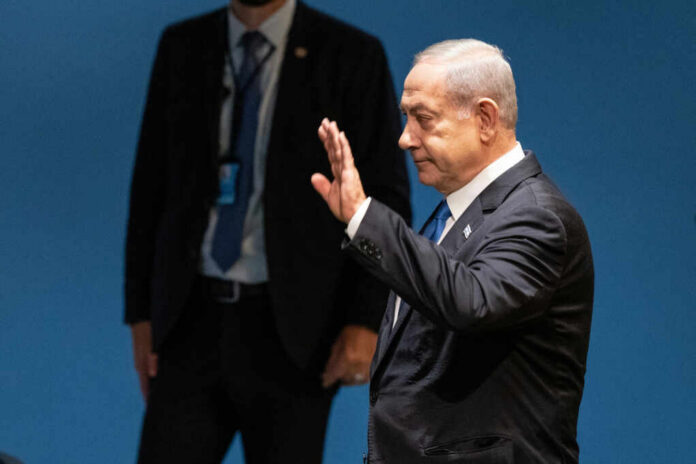
Israeli Prime Minister Benjamin Netanyahu announced plans to completely eliminate Israel’s dependence on U.S. military aid within the next decade, a move that could fundamentally reshape America’s longest-standing Middle East alliance and redirect billions in taxpayer dollars.
Story Snapshot
- Netanyahu told CBS “60 Minutes” Israel will phase out $3.8 billion in annual U.S. military aid over 10 years, starting immediately
- The proposal comes as Israel’s defense budget reaches $24 billion with only 16% funded by American taxpayers under the current agreement
- Trump administration remains noncommittal while Israeli opposition calls the plan “reckless” amid regional security threats
- U.S. defense contractors stand to lose approximately $3 billion annually in guaranteed contracts tied to Israeli aid spending
Netanyahu’s Bold Declaration
Netanyahu revealed his intentions during a May 10, 2026 interview on CBS “60 Minutes,” stating Israel aims to “wean ourselves from the remaining military support” provided by American taxpayers. The Israeli leader emphasized he wants to start the process immediately rather than wait for future congressional sessions. Israel currently receives $3.8 billion annually under a 2016 Memorandum of Understanding that runs through 2028, consisting of $3.3 billion in Foreign Military Financing and $500 million for missile defense systems. Netanyahu told the interviewer he had already discussed the proposal with President Trump and Israeli officials, noting their surprised reactions to the accelerated timeline.
Growing Economic Independence
Israel’s push for self-reliance reflects dramatic economic growth that has reduced dependency on American assistance. The nation’s GDP per capita reached approximately $55,000 in 2025, while its domestic arms industry generated $13 billion in exports, nearly rivaling the aid amount itself. Israel now funds roughly 70% of its defense budget independently, with the American contribution representing about 16% of total military spending. The Abraham Accords have opened new revenue streams through technology and defense partnerships with Gulf states, including a $3 billion arms agreement with the UAE in 2025. These developments suggest Israel possesses the economic capacity to absorb the loss of U.S. funding without compromising security capabilities.
America First Implications
The proposal aligns with core conservative principles of reducing foreign aid and prioritizing American interests, potentially freeing $40 billion over the next decade for domestic needs or deficit reduction. However, the phase-out threatens approximately 10,000 American defense industry jobs tied to Israeli contracts, as current aid requires Israel to spend funds on U.S.-manufactured weapons systems. Former Pentagon official Dov Zakheim argued the move “hurts U.S. industry more than Israel” in a recent analysis. The Trump administration has offered only muted responses, with officials stating they are “reviewing” the proposal. This careful positioning reflects the delicate balance between America First economic nationalism and maintaining strategic alliances that have traditionally served U.S. interests in the volatile Middle East region.
Strategic Concerns and Skepticism
Despite Netanyahu’s confidence, significant obstacles remain to implementing the decade-long transition. Israeli opposition leader Yair Lapid labeled the announcement “reckless” given persistent threats from Iran and regional instability. The Israeli Defense Forces reportedly showed internal resistance, with Netanyahu acknowledging that “jaws dropped” among military officials when he proposed the idea. American strategic analysts question whether Israel can truly afford complete independence while facing sophisticated adversaries. The Congressional Research Service notes that while technically feasible if Israel maintains 3% annual GDP growth, the plan assumes continued regional stability and successful diversification of defense suppliers. No formal proposal has been submitted to Washington as of mid-May 2026, suggesting the announcement may be more aspirational than immediately actionable.
Broader Political Context
Netanyahu’s timing reflects shifting political winds on both sides of the Atlantic regarding foreign entanglements and government spending priorities. Growing voices across the American political spectrum question why taxpayers fund wealthy allies when domestic infrastructure crumbles and national debt soars. The proposal could set precedent for reevaluating aid to other long-term recipients, potentially affecting assistance packages to Egypt, Jordan, and Ukraine. For conservatives frustrated with endless foreign commitments, Netanyahu’s declaration offers validation that allies can and should shoulder their own defense burdens. Yet the move also raises uncomfortable questions about whether Washington’s decades of military support actually created dependency rather than genuine partnership, and whether the political establishment has been more interested in maintaining bureaucratic relationships than achieving meaningful results for American citizens footing the bill.
Sources:
Netanyahu wants to wean Israel off US military support, he tells CBS – Arab News
Netanyahu wants to phase out U.S. military aid – CBS News