
The 2026 Met Gala didn’t just have a bad theme—it exposed how easily a cultural institution can be “bought” and still end up looking cheap.
Quick Take
- Jeff Bezos and Lauren Sánchez Bezos served as honorary chairs and major sponsors, and the event quickly picked up the nickname “the Bezos Ball.”
- A vague “Fashion Is Art/Costume Art” theme produced a red carpet critics described as incoherent and low-effort, especially compared to 2025’s tightly defined theme.
- Amazon-linked sponsorship fueled accusations of hypocrisy: fast fashion money underwriting an event that sells itself as craftsmanship and artistry.
- Bezos reportedly didn’t walk the carpet, a detail that intensified the sense of absentee influence and corporate takeover.
How a Single Sponsorship Turned a Prestige Night Into a Punchline
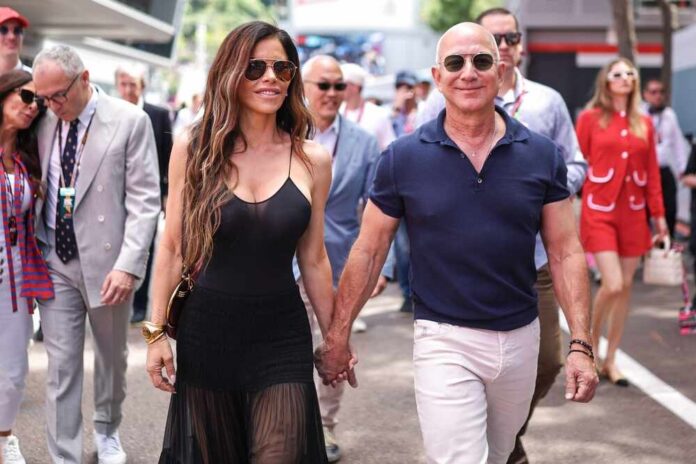
Jeff Bezos and Lauren Sánchez Bezos entered the 2026 Met Gala as honorary chairs and high-dollar underwriters, and critics say the tone shifted immediately. The Met Gala always sells exclusivity, but this year the optics leaned corporate: “made possible” messaging, endless chatter about the couple’s role, and a swirl of speculation about power relationships around Vogue and Condé Nast. The joke wrote itself: the Gala didn’t feel curated—it felt purchased.
The backlash landed fast because Met Gala audiences know the difference between a rich party and a controlled spectacle. The Gala survives on the idea that the Costume Institute’s fundraising supports art, scholarship, and preservation, not just celebrity peacocking. When a sponsor becomes the headline, the event’s core pitch collapses. If the story becomes “billionaire couple rebrands the carpet,” the museum starts looking like a venue rental with better lighting.
The Theme Problem: “Fashion Is Art” Sounds Big, But It Plays Small
The 2026 theme’s reported framing—“Fashion Is Art” or “Costume Art”—read like a safe slogan, not a brief. Strong Met Gala themes act like guardrails: they narrow the creative field and raise the stakes, forcing designers and celebrities to commit to a point of view. Vague themes do the opposite. They invite generic glamour, half-hearted symbolism, and outfits that look like they came with a press release instead of an idea.
Comparison did the rest of the damage. The prior year’s “Superfine: Tailoring Black Style” gave attendees a concrete direction and rewarded discipline: structure, history, silhouette, and specificity. In 2026, critics described a red carpet collage—boring gowns, mismatched references, and “interpretations” that looked more like confusion than risk-taking. Adults who don’t follow fashion still understand one simple metric: when people can’t explain the joke, it isn’t funny.
Why Amazon Money Became the Wrong Kind of Symbolism
The sharpest critique wasn’t “billionaires are tacky.” The critique was alignment. Amazon built its consumer dominance by making it easy to buy cheap, disposable goods, including clothing that rides the fast-fashion ecosystem. That makes an awkward patron for an event that sells artisanal fantasy: handwork, atelier precision, and reverence for garments as objects worth keeping. When the sponsor’s brand screams “quantity,” the Gala’s brand whispering “quality” doesn’t stand a chance.
That tension also hits a nerve with American common sense. People who work for a living don’t hate charity; they hate hypocrisy. If a public-facing institution takes money from a figure associated with mass-market consumption, it should expect a basic question: does the donor’s business model undermine what the institution claims to celebrate? Critics leaned into that mismatch, and the “Bezos Ball” nickname functioned as a shortcut: one phrase that says “this is what culture looks like when it’s run like a marketplace.”
Lauren Sánchez’s Moment, the Madame X Reference, and the Cruelty of the Camera
Lauren Sánchez Bezos’s red carpet appearance became a focal point, with commentary specifically targeting her Schiaparelli gown reportedly inspired by Madame X. The details matter less than the outcome: the look became a symbol for the night’s broader failure to land its message. The Met Gala is unforgiving because it’s not a private banquet; it’s a mass-audience broadcast where a single outfit can become a referendum on taste, preparation, and self-awareness.
Jeff Bezos’s absence from the carpet, as reported in the broader narrative, only amplified the imbalance. The sponsor who looms over the event doesn’t show up for the most visible part, while the co-chair takes the hit in real time. That dynamic reads poorly to ordinary viewers: if you want cultural influence, you don’t get to outsource the risk. Conservatives tend to respect accountability, and the optics here suggested insulation, not ownership.
Protests, Populist Anger, and the Met’s Complicated Defense
Protests around the Gala fed the wider story: luxury on display amid economic strain and longstanding labor and inequality grievances. The public argument always splits into two camps. One side says museums need donors, and the Gala pays for exhibitions and preservation. The other side sees an elite party laundering reputations while average people struggle with rent, groceries, and stagnant wages. Both claims can be true, and that’s why this controversy stuck.
The Met has a partial answer: the museum itself isn’t only for elites, and general entry exists at normal museum prices. That point matters, and it aligns with a practical conservative view that public institutions should remain broadly accessible. The problem is that the Gala isn’t “the museum.” It’s a televised showcase of class hierarchy. When corporate money and celebrity spectacle drown out the mission, accessibility arguments sound like legal defenses, not moral ones.
What the “Bezos Ball” Label Really Warns About
The lasting damage may not be one bad carpet; it’s the precedent. If the Met Gala trains the public to associate sponsorship with creative collapse, future fundraising becomes harder to justify, not easier. Institutions should want patrons who fund excellence and then step back. When patrons become the event, the event becomes marketing. The 2026 lesson is blunt: money can buy the room, but it can’t buy taste, restraint, or legitimacy.
A Sad Couple of Balls: Jeff Bezos' Tacky Ball Versus The Regular Met Gala Ball https://t.co/BLLnoYbWbK
— 🌺🌿kam🌿🌺 (@pjkate) May 7, 2026
Next year’s fix won’t require banning billionaires; it will require restoring discipline. Pick a theme that forces specificity. Select chairs who treat the night like stewardship, not conquest. Make the art the headline again. The public can tolerate wealth; they can even tolerate absurdity. What they won’t tolerate is the sense that a great institution turned itself into a mall kiosk—then asked to be applauded for it.
Sources:
Variety: How did the 2026 Met Gala transform into the tacky ‘Bezos Ball’
Met Gala: Jeff Bezos and Lauren Sanchez slammed over guest list and outfits