A rabbi who became the public face of America’s deadliest antisemitic attack is quietly stepping down, even as antisemitic hatred and political double standards still rage across the country.
Story Snapshot
- Rabbi Jeffrey Myers is retiring after leading Pittsburgh’s Tree of Life through the 2018 synagogue massacre and its long recovery.
- He served as rabbi and cantor since 2017 and was on the bimah when a gunman killed 11 worshipers in the worst antisemitic attack in U.S. history.
- After eight years of trauma, trials, and rebuilding plans, Myers says his “mission has come to a conclusion” and it is time for “new voices.”
- The congregation still worships in temporary spaces while planning a new building that will double as a memorial and an education center on antisemitism.
Rabbi who faced murderous antisemitic hate steps aside
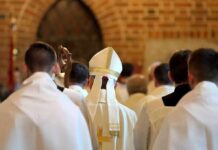
Rabbi Hazzan Jeffrey Myers is retiring this month as the spiritual leader of the Tree of Life Congregation in Pittsburgh, the synagogue shattered by the October 27, 2018 shooting that killed eleven people during Sabbath services. Myers, age 70, had taken the role just over a year before the attack and has served as both rabbi and cantor since the summer of 2017. He was leading a prayer service when the gunman opened fire, making him both a survivor and a central witness.
Multiple local and national outlets report that Myers will retire at the end of July, with the congregation holding a formal “Retirement Weekend” to say goodbye to him and his wife. The Jewish Chronicle describes him as a rabbi long tied to “tragedy, resilience and the aftermath of horror,” now leaving Pittsburgh after decades in religious service. Audacy Radio likewise notes he is stepping down after years as the leader during and after the massacre, closing an intense chapter for both the man and the congregation.
Eight years of trauma, trials, and rebuilding
Tree of Life’s own biography explains that after “the horrific morning of October 27, 2018,” Rabbi Myers survived the attack and “became the face of the tragedy,” representing the congregation in the painful years that followed. He presided over funerals for slain worshipers, comforted families, and spoke out repeatedly about the danger of growing antisemitic hate. Coverage from the Associated Press and local television says he was tasked with guiding the congregation through healing and “transformation” after the massacre.
Since the shooting, the congregation has not returned to its original building. Instead, members have worshiped in borrowed or shared spaces, including Rodef Shalom Congregation and High Holidays services at Calvary Episcopal Church. Leaders now plan a new permanent home within about two years, with the rebuilt site designed to serve both as a memorial to the victims and a center for education about antisemitism. That plan shows how the attack still shapes the synagogue’s daily life and long-term mission.
“My mission has come to a conclusion”
In an Associated Press interview, Myers said plainly, “My mission has come to a conclusion to the best that I could,” describing retirement as part of a needed transition for the congregation. He added, “It was time for the next chapter also for the Tree of Life. It’s time to step aside so that there is space for new voices,” signaling that he sees his role as one season in a much longer story. After forty-plus years in the rabbinate, he plans to focus on writing, family, and, for once, seeing the synagogue from the pews instead of the pulpit.
Myers has often stressed a simple message: “love is stronger than hate.” That phrase resonates with many Americans who watched the horror in Pittsburgh and saw faith communities under attack. But it also raises hard questions for readers who see federal and local leaders talk about fighting hate, while they allow open antisemitism, anti-police sentiment, campus chaos, and weak border enforcement that bring more risk into our towns. The Tree of Life story reminds us that kind words mean little without firm action against violent extremism.
Why this matters to conservatives watching rising antisemitism
For many conservative readers, the Pittsburgh shooting was another grim warning about what happens when authorities downplay real threats but obsess over speech-policing and identity politics. The Tree of Life gunman acted out deep antisemitic rage, yet years of elite talk about “tolerance” did not stop him. While Myers now retires after doing his best to hold a wounded community together, the wider fight against antisemitism, anti-Christian bias, and anti-American hate is far from over.
Rabbi Jeffrey Myers, who led Pittsburgh's Tree of Life Congregation during the deadliest antisemitic attack in U.S. history, is retiring.
Join AP's Peter Smith and Jessie Wardarski for a Live Q&A on APNews, where they'll discuss his legacy and life since the 2018 shooting.…
— The Associated Press (@AP) July 24, 2026
The synagogue’s plan for a memorial and education center shows one way communities try to push back: by teaching the truth about antisemitism and keeping the memory of the victims alive. That effort fits with core conservative values—respect for faith, honest history, and real accountability for evil acts. It also highlights a gap. Faith leaders can preach, and local congregations can rebuild. But only strong, principled government—rooted in the Constitution and serious about law and order—can make sure houses of worship are never again left so exposed to deadly hate.
Sources:
youtube.com, jewishchronicle.timesofisrael.com, sfgate.com, triblive.com, wpxi.com, audacy.com, cantors.org, cbsnews.com