A blast at a Syrian gas pipeline valve cut power-plant supplies and exposed how fragile Middle East energy routes remain.
Story Highlights
- Syrian officials said a pipeline valve exploded due to sabotage, sparking a major fire and halting gas flows to power stations.
- The damaged line links the Al-Shoula area to Deir ez-Zor and carries gas from the Jbeissa plant used for electricity generation.
- Several outlets reported the same account, citing state statements and the operational disruption to power supply.
- One local official suggested thieves may have caused the blast while trying to steal gas, but that claim stands alone.
Pipeline Blast And Fire Disrupt Power Fuel
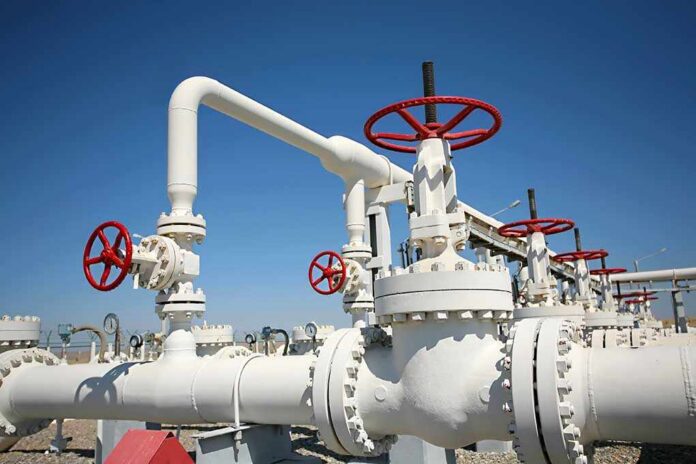
Syrian state media said a fire broke out Monday evening after an explosion hit an isolation valve on a gas pipeline between Al-Shoula and Deir ez-Zor. The Syrian Petroleum Company attributed the blast to sabotage and reported that the fire forced a halt to gas flows from the Jbeissa plant to power-generation stations. The company said response teams isolated the damaged section and reduced pressure to contain the flames. The disruption cut fuel to plants that already struggle to meet electricity demand.
Regional and international outlets carried the same core details. Reports said the blast occurred on a defined segment and at a valve, which fits how a targeted attack could trigger a fire and stop flow. The shared elements across coverage included the alleged sabotage, the fire’s location, and the direct hit to power supply. That alignment matters for readers who track energy stability and grid reliability in a region where basic services remain strained.
What Authorities Said About Cause And Impact
A named gas-sector official said the fire stopped gas movement from the Jbeissa plant to power stations, describing steps to isolate the affected segment and lower line pressure. That account aligns with standard pipeline safety actions during a rupture or ignition. Officials framed the event as an attack on critical infrastructure that feeds Syria’s already limited grid capacity. Even a brief outage on this corridor can ripple into brownouts and higher repair costs for a system that remains fragile.
One report cited a local official who suggested thieves may have broken into the line to steal gas, causing the explosion. That claim points to criminal profit rather than militant motives, but it has not been reinforced by other sources in the current record and should be treated as a single-source detail for now. The primary official line remains sabotage. No named group has claimed responsibility in reporting surveyed to date.
Why This Matters For Energy Security
Attacks on energy routes in Syria carry outsized effects. Pipelines are long, exposed, and hard to guard end to end. A strike on a valve or weld can stop power fuel overnight. Analysts have long warned that pipelines across Syrian terrain act as strategic targets. Sabotage can interrupt electricity, drain scarce repair budgets, and shake public faith in any recovery plan that counts on steady flows to plants and industry.
This incident also fits a wider pattern across the region. Energy lines in conflict zones often double as political levers. Disruption can be a message, a money play, or both. In Syria, years of war and underinvestment left many assets vulnerable. When a single valve failure cuts power-plant feedstock, the public pays the price through outages and higher costs. That risk profile is why many nations harden valves, add patrols, and deploy sensors along critical stretches.
Takeaways For U.S. Readers And Policy Watchers
Energy instability abroad hits wallets at home. Pipeline shocks in the Middle East can nudge global fuel markets, push up input costs, and filter into electricity and grocery bills. American families already know what high energy prices feel like. Every hit to supply or confidence adds pressure. A secure and abundant energy supply—at home and among allies—remains essential to keep prices stable, protect jobs, and avoid new spikes that punish seniors, small businesses, and working families.
◻️Well Fire – Deir Ezzor Province: Civil Defense teams, in cooperation with personnel from the Syrian Petroleum Company, extinguished a stubborn gasfire that broke out in a valve on the 16x inch al Jabsah gas pipeline in the al Shoula area of rural Deir Ezzor province. The… pic.twitter.com/VA4Xy1xfOG
— Steele M (@SteeleSyAA) September 30, 2026
For conservative readers, two points are clear. First, critical infrastructure draws enemies and criminals, so deterrence and hard security matter. Second, the United States must pursue energy independence and resilient supply chains. That means strong domestic production, robust pipelines, and smart diplomacy that puts American interests first. When foreign actors or theft rings can flip a valve and choke power, it reminds us why secure borders, tough enforcement, and reliable energy at home are non-negotiable priorities.
Sources:
zerohedge.com, reuters.com, thenationalnews.com, middleeastmonitor.com, newarab.com