As Britain flexes its sanctions muscle in the English Channel, Americans should be asking how far Western governments will go in using military force against private shipping — and what that kind of power means for energy prices, national sovereignty, and the rule of law.
Story Snapshot
- British forces used Royal Marines and air assets to detain a sanctioned oil tanker, Smyrtos, tied to Russia’s “shadow fleet.”
- Prime Minister Keir Starmer claims the raid “delivers another blow” to Russia’s war chest, but key evidence remains secret.
- The ship was already on British and European sanctions lists, yet the legal and intelligence basis for the boarding is still not public.
- This “first-of-its-kind” operation shows how far Western leaders are willing to go on sanctions, raising questions about due process and energy stability.
British Commandos Hit Russian-Linked Tanker in the Channel
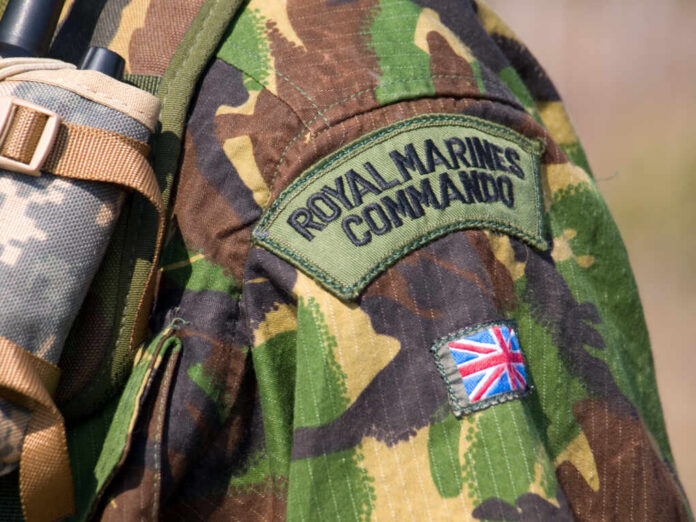
British Prime Minister Keir Starmer announced that armed forces intercepted and boarded the oil tanker Smyrtos in the English Channel, calling it part of Russia’s “shadow fleet” that moves oil outside sanctions. British media say Royal Marine Commandos and National Crime Agency officers carried out a six-hour air and sea operation, backed by Royal Air Force surveillance aircraft, to take control of the ship in the early hours of Sunday.[2] Officials describe the tanker as a sanctioned vessel tied to Russian oil exports.
The British Defense Ministry said this was the first United Kingdom–led mission of its kind, openly framed as an attempt to choke off money for Russia’s war in Ukraine.[2] The ship was stopped in the busy Channel and then moved to an anchorage off England’s south coast, where it will be held and monitored during an investigation.[2] Starmer claimed the move “delivers yet another blow to Russia” and warned anyone “fueling Putin’s war” that they “cannot hide,” turning the seizure into a public show of strength.[4]
What We Know About Smyrtos and the “Shadow Fleet”
Reports say Smyrtos is an oil tanker sailing under the flag of Cameroon and had departed from Russia’s Ust-Luga port near Saint Petersburg on June 5, headed for Port Said in Egypt.[2] Open-source sanctions trackers show Smyrtos was already listed as a sanctioned ship for transporting crude oil and petroleum products in ways that violated previous restrictions. British coverage ties the boarding to this status, placing the action inside a wider push to hunt so-called “shadow fleet” tankers that move Russian oil using older ships, weak insurance, and murky ownership.[2]
British officials say the goal is to hit the “resources sustaining Russia’s aggression” by cutting into oil money, not just make an arrest at sea. One British interview highlighted that under the United Nations Convention on the Law of the Sea, a country can board a tanker it believes might be “stateless,” using that as a legal doorway to inspect and detain.[1] At the same time, public material does not yet show the full paper trail for Smyrtos, such as cargo documents, ownership records, or detailed tracking data, leaving much of the government’s case shielded from outside review.
Powerful Precedent: Sanctions, Seizures, and Secrecy
Sanctions watchers say the United Kingdom has already targeted hundreds of Russia-related ships, with government lawyers now “confident” they can seize or restrict many of them under new rules. This Channel operation, pitched as a “first” United Kingdom–led strike on a shadow fleet tanker, sends a clear deterrent message to shippers and insurers worldwide.[2] But that same symbolism creates strong pressure on leaders to present the raid as a clean success, even before all facts are released, which can tilt the story toward political theater.
Neutral observers note a pattern in these cases: governments and media highlight dramatic boardings and big claims, while most of the hard evidence stays inside classified files or sealed legal memos. Critics warn that heavy reliance on official statements, without public access to ownership chains, voyage logs, or court orders, leaves citizens with a “trust us” model of enforcement. That model may be risky when actions at sea can affect global oil flows, shipping insurance rates, and, downstream, what families pay to fill their gas tanks.
Why This Matters for American Conservatives
For Americans who remember how past globalist energy schemes drove up costs at home, this story is a fresh warning. When foreign leaders use military forces and secret intelligence to police the energy trade, regular people can end up paying the price in higher fuel and shipping costs. The Biden-era push for “maximum sanctions” helped drive volatility that hit family budgets; conservatives now watch closely as allied governments keep escalating these tools instead of focusing on production and energy independence.
😱After the detention of a Russian tanker in the English Channel, shadow fleet vessels began sharply turning around and changing their routes.
According to The Insider, citing data from Starboard Maritime Intelligence, several sanctioned tankers that were heading toward the… pic.twitter.com/lAjbAbcrQR
— Mr. Blacksmith (@Mr_Blacksmith_A) June 14, 2026
This case also raises basic rule-of-law questions. If a Western government can send commandos to take a foreign-flagged ship on the high seas, based on intelligence it will not share, how long before similar tools are turned on targets closer to home? Conservatives value a strong defense and a tough line on hostile regimes, but they also expect clear laws, transparent evidence, and limits on executive power. The Smyrtos raid shows a system moving toward more secrecy and more control over private commerce, and that should stay on our radar.
Sources:
[1] YouTube – Britain detains sanctioned oil tanker believed to be linked to …
[2] Web – Britain detains sanctioned oil tanker believed to be linked … – WSLS …
[4] X – UK forces intercept and detain Russian-linked tanker Smyrtos in the …