
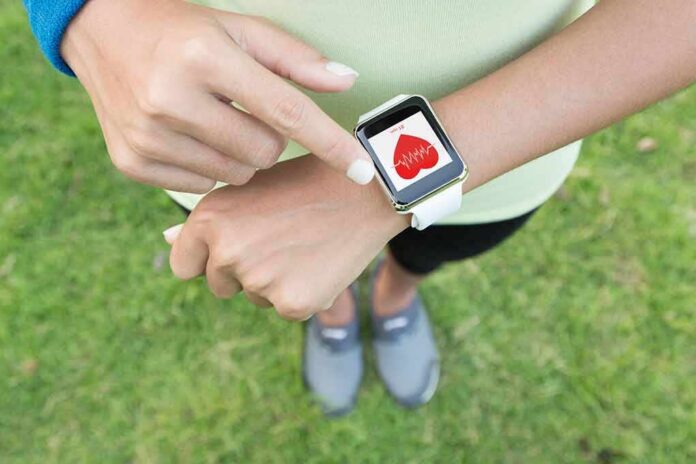
Big Tech is racing to funnel your wearable data into medical systems, putting sensitive health details in more hands than ever.
Story Highlights
- Google says its Health app links wearables, apps, and even medical records in one place.
- Validic says it pipes data from 350+ devices into major electronic health records.
- Industry tools promote easy sharing across Apple, Samsung, Oura, and more.
- Evidence of broad, routine clinical use still lags the integration claims.
Google Positions Health App as a Central Hub for Your Data
Google states its Health app lets users connect popular devices and apps and gather their health data in one place. The support page names Apple Watch, Samsung Galaxy watches, Whoop, and Oura rings among inputs. It explains that Android phones use Health Connect, while iPhones use Apple Health, to share data across services. Google’s blog adds that the app can connect wearables and medical records, signaling a push to bridge consumer tools and care settings.
Google’s approach means one account can sit between the user, multiple devices, and health providers. That convenience can help patients track steps, heart rate, and sleep in a single view. It also expands who might touch the data. When data moves this easily, the stakes rise for privacy, consent, and control. Many conservatives value medical privacy and limited data sharing. Centralized health hubs demand strong safeguards so families, not tech giants, decide who sees intimate health details.
Middleware Brings Wearable Data Into Hospital Records
Validic announced a tool that routes activity and other wearable data into the clinical workflow inside electronic health record systems from Epic and Oracle Health. The company says it supports more than 350 device models, including Apple, Fitbit, Garmin, Google, Oura, Samsung, and Withings. The claim shows a growing bridge between consumer devices and hospital charts. That plumbing can let clinicians view daily trends without manual entry by patients or staff.
Other vendors market similar connections. One platform describes active pulls from Apple Health, Oura Ring, and Android’s Health Connect to place patient data directly into clinical records. Developer guides and industry pages present Apple Health, Google’s Health Connect, and Samsung Health as common targets for integration. The message is clear: the tech stack to move your data exists, and it spans rival brands that used to live in separate silos.
Adoption and Outcomes Trail the Hype Curve
Peer-reviewed reviews find the real-world use of patient-generated data inside clinical records is still limited. A scoping review cataloged modest numbers of studies and many pilots. Another review counted only a small set of studies where clinicians used consumer-device data in clinics. This shows the pipes are ahead of proof on outcomes, reimbursement, and routine use. The buildout is real, but broad day-to-day care powered by wearables is not yet standard.
For families, the stakes are simple. Easy connections can support remote care and healthy habits. But effortless sharing can also open doors to misuse if rules are weak. Conservatives have seen how large platforms track behavior and sell insights. Health data is even more sensitive. Clear consent, simple opt-outs, and strict limits on secondary use should be the norm. President Trump’s administration and Congress can back common-sense guardrails: real transparency, data minimization, and tough penalties for abuse.
What This Means for Patients, Doctors, and Policy
Patients should check which apps and devices connect to their account and turn off sharing they do not want. Doctors can ask vendors to show exactly how data enters the chart and how alerts are handled. Policymakers can demand plain-language consent and ban surprise sharing with brokers. The current system lets Google, device makers, and middleware firms move data across platforms. Strong rules can keep innovation while protecting privacy, choice, and the doctor–patient bond.
Sources:
wearabledevices.com, openwearables.io, validic.com, themomentum.ai, cliniqhealthcare.com, scirp.org, blog.google