
NATO’s latest figures show a sharp 2025 defense buildup, with European allies and Canada lifting spending by nearly 20% while a few front-line states led the pack.
Quick Take
- European allies and Canada raised core defense spending by nearly 20% in 2025 compared with 2024.
- NATO said that increase amounted to more than $90 billion in 2021 prices, or about $139 billion in nominal terms.
- Poland, Lithuania, and Latvia were the standout spenders by share of gross domestic product.
- All 32 NATO members met or exceeded the old 2% spending target in 2025.
Who Led the 2025 Spending Surge
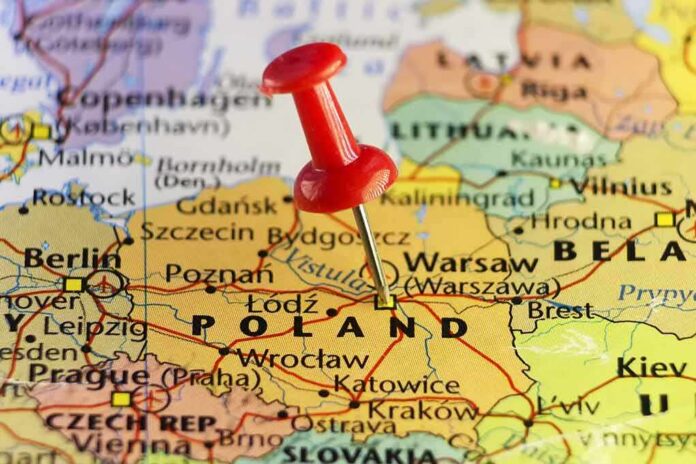
Poland was the clear leader among NATO members, spending 4.12% of gross domestic product in 2024 and remaining far ahead of most allies. NATO-linked reporting also placed Poland, Lithuania, and Latvia at the top of the alliance by defense spending as a share of economic output in 2025. Those three countries were also the first to clear NATO’s newer 3.5% benchmark in the estimates cited by researchers and reporters.
The Baltic states stood out because of geography as much as policy. Russia’s war in Ukraine has pushed nations near its border to move faster and spend more. That pattern helps explain why smaller allies can look stronger on a percentage basis than larger economies with deeper budgets. Germany, the United Kingdom, and France still ranked among the largest spenders in raw dollars inside Europe, but not as a share of gross domestic product.
The Alliance-Wide Picture
NATO said European allies and Canada increased combined defense spending by over $90 billion in 2025, the strongest jump in years. Bloomberg reported that the surge totaled about $574 billion in extra spending compared with 2024. SIPRI’s global data also showed NATO members’ total military spending reaching $1.581 trillion in 2025, which underlines how dominant the alliance remains in world military outlays.
The 2025 gains matter because they mark a broad shift, not a one-country spike. NATO said all 32 members met or exceeded the older 2% of gross domestic product target in 2025. That is a striking change from the years when many allies leaned on the United States while underfunding their own forces. For conservatives who have long criticized free-riding, the numbers show pressure from President Trump and a harder security climate produced real movement.
What The Numbers Still Do Not Tell Us
Big percentage increases do not always mean equal military strength. Some countries can raise budgets fast because they started from a low base, while others spend more in total because their economies are larger. NATO’s own reporting uses standard defense categories, which helps compare allies, but it does not fully settle the question of readiness, ammo stockpiles, or how quickly money turns into real combat power.
That is why the headline question has two answers. If the question is which NATO countries boosted spending the most in share of GDP, Poland, Lithuania, and Latvia were the leaders. If the question is which allies drove the biggest broad increase in total money, NATO says the European members and Canada together produced the major surge in 2025. Either way, the alliance’s spending culture changed fast.
Sources:
zerohedge.com, nato.int, reuters.com, qazinform.com, csis.org, gabelli.com, gov.uk