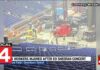
A tour bus support failed and crushed a worker to death at Virginia’s Wolf Trap, forcing the night’s rock concert to be canceled out of respect.
Story Highlights
- United States Park Police said a tour bus collapsed on a worker around 5 p.m. at Wolf Trap.
- Wolf Trap canceled the evening concert after the fatal accident out of respect for the victim.
- Media reports linked the scheduled show to the band Squeeze; the parking-lot incident happened before doors.
- Federal workplace safety rules call for investigations after on-the-job deaths.
Fatal Parking-Lot Accident Halts Wolf Trap Concert
United States Park Police said a tour bus’s support apparatus failed in a Wolf Trap parking lot at about 5 p.m. Thursday. The bus collapsed onto a worker who was underneath, and the worker died at the scene, according to officials’ statements shared with local media. The incident happened hours before showtime at Wolf Trap National Park for the Performing Arts in Vienna, Virginia. Police said officers responded quickly, but the collapse left no chance for rescue. Authorities did not immediately release the worker’s name.
Venue representatives announced the concert would not go on after the fatality. Wolf Trap said the show was canceled out of respect for the person who lost their life and the wider community affected. The decision matched the standard response many venues take after a deadly workplace accident on site. Fans who had gathered were told not to enter, and staff began to clear the area in an orderly way while officials secured the scene for investigators.
Band And Media Note Canceled Show After Death
Coverage identified the scheduled act as the English rock band Squeeze, which was set to perform that evening before the accident in the parking lot. Music press and local outlets reported the cancellation followed the worker’s death linked to the bus support failure. The band did not take the stage, and the venue closed the event. Tickets, travel, and plans were disrupted, but the loss of life rightly led organizers to pause everything and focus on safety and the investigation.
Local television and national outlets carried the same core facts. Reporters cited the United States Park Police statement with the time, location, and mechanism of the collapse. The consistent timeline helps the public understand what happened and when. It also avoids rumor. Early reports did not name the victim or employer, which is common while next of kin are notified and agencies document the scene. Officials often release those details after formal procedures conclude.
What Investigators Likely Review After A Workplace Death
Federal workplace safety officials treat any on-the-job death as a serious event that triggers review. The Occupational Safety and Health Administration requires employers to report workplace fatalities within eight hours. The agency then conducts an inspection to check safety practices, equipment, and training. Those steps can lead to citations, fines, or other actions if standards were not met, after facts are established through evidence and interviews.
Investigators typically examine the failed support device, recent maintenance, and who controlled the work site. They assess whether lockout, tagout, and cribbing procedures were used, and whether the bus was stabilized to prevent collapse. They also check whether contractors and venue staff followed clear roles and safety plans. These nuts-and-bolts questions matter. They help prevent another family from facing the same pain on a future show day.
Pattern Seen In Other Venue Tragedies
Other tours have halted shows after deadly incidents connected to the event, even when the band was not on stage. A recent example saw an arena concert canceled after a touring crew member died in a vehicle crash the same day. Venues made similar announcements and shifted focus to care for people first, then to cooperation with authorities. These moments remind everyone that live events are workplaces as well as entertainment.
Conservative readers know respect for life and order comes first. Families and crews deserve safe conditions and straight answers when something goes wrong. Clear rules, strong personal responsibility, and real accountability help prevent tragedy. That starts with facts, not spin. Officials said a bus support failed. A worker died. The concert was canceled out of respect. Investigators will sort out how and why. That is the right sequence, and it honors both the victim and the truth.
Sources:
nypost.com, ffxnow.com, musicianvoice.com, fox5dc.com, centsondollar.com, wtop.com