
A critical robot arm on the International Space Station is down for repairs, and once again Washington expects Americans to simply “trust NASA” without real proof the fix worked.
Story Snapshot
- NASA plans a high‑risk spacewalk to replace a failed wrist joint on the Canadarm2 robot arm.
- All public information comes from NASA and partner agencies, with no independent verification yet.
- The same media that pushes climate alarm and big‑government spending now treats NASA’s word as unquestionable.
- The repair highlights aging hardware in a costly space program that rarely faces tough oversight.
What Went Wrong With the Space Station’s Workhorse Arm
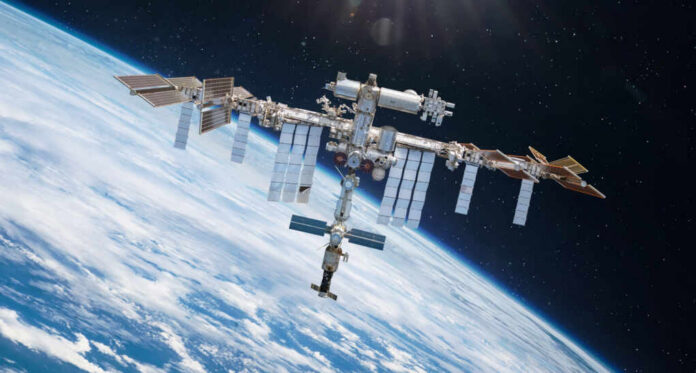
The International Space Station relies on a large robotic arm called Canadarm2 to grab cargo ships and move equipment outside the station. In late May, that arm stopped moving correctly during routine work, when a wrist joint showed unusually high motor current and then failed to move at all. NASA said the arm is in a “stable spot,” but it cannot do its normal job until astronauts replace the damaged wrist joint with a spare already stored on the station.[2]
Canadarm2 has been operating in space for more than twenty‑five years, which means the arm is older than many new recruits in the United States Space Force. NASA and the Canadian Space Agency reviewed the problem and decided a spacewalk was needed to swap out the bad wrist joint. That joint is one of several segments designed to be replaced in orbit, and planners shipped key spare parts to the station years in advance to prepare for this kind of breakdown.[1][2]
NASA’s Plan: A Long, Risky Spacewalk With Little Transparency
NASA chose flight engineers Chris Williams and Jessica Meir to leave the safety of the station and work outside in the vacuum of space to repair the arm. The two are scheduled to exit the Quest airlock and begin the job at 8:35 a.m. Eastern time, with the entire repair expected to take about six hours and forty minutes. This is a demanding task, with every move planned in detail, yet the public has only seen pre‑event briefings and computer animations so far.[1]
In the days before the spacewalk, the crew followed a long checklist to get ready. Williams tried on his spacesuit, checked its systems, and reviewed a three‑dimensional interactive animation showing each repair step. Williams and Meir serviced emergency jet packs that could bring them back to the hatch if they drifted away. Meir also installed batteries in power tools used outside the station, including the pistol grip device that controls the bolts holding the wrist joint in place.[9]
Media Blind Spots and Why Skeptical Citizens Should Pay Attention
Corporate science outlets present this repair as simple and routine, even though a key station system has already failed once and now needs major work from astronauts. Reports from Space.com, the American Institute of Aeronautics and Astronautics, and others all rely heavily on NASA’s blogs and statements without serious questioning. They repeat that the arm is “stable” and a spare joint is ready, but they do not demand detailed logs or open data that would let independent experts verify those claims.[2][3]
The public has seen this pattern before. During earlier space station repairs, major outlets quickly declared “success” right after spacewalks based mainly on NASA press briefings, while the full technical records and root‑cause reports came out months later. That slow release of details might be acceptable in engineering circles, but it leaves taxpayers and watchdogs with little power to challenge or confirm what government agencies say in real time. For a conservative audience that values accountability and limited government, that should raise red flags.[12][15]
Aging Hardware, Big Budgets, and the Cost to Taxpayers
This failure also highlights a bigger issue: the International Space Station runs on aging hardware that demands constant maintenance, yet the space station program continues to draw large budgets from American taxpayers. Canadarm2 is central to daily operations, handling cargo vehicles that bring supplies and experiments to the station. When such a critical system goes down, it exposes how dependent the station is on complex machines that can fail and then require risky human repair missions.[2][3]
Meir & Williams are T-2 days until our next Expedition 74 spacewalk. The two NASA astronauts will venture outside on Tuesday to repair one of the joints on the Canadarm2, our robotic arm outside the ISS. Be sure to tune in on NASA+! https://t.co/UbF4u4Uc1E pic.twitter.com/p1c4mQncH4
— Cliff Lentz (@Spaceman101) June 29, 2026
Conservatives know how Washington works: once a program like the space station is in place, agencies fight to keep the money flowing, even when equipment is past its design life. NASA and the Canadian Space Agency emphasize careful planning and spares on board. But they do not release full maintenance logs, part numbers, or failure analyses to the public. Without that transparency, elected leaders and citizens cannot easily judge if funds are being used wisely or if better, newer systems should replace decades‑old hardware.[2][15]
Why This Matters for Freedom, Truth, and Future Policy
Americans who care about liberty and honest government should watch how this story develops. At the time of the latest reports, every source describes the spacewalk as upcoming or in progress, not completed, and none gives hard data proving the repair worked. Yet experience tells us many outlets will soon run headlines about a “successful” mission based mostly on NASA’s own words. That habit of accepting unverified claims is the same problem we see in other areas, from climate models to spending bills.[1][2][3][8]
Space exploration can reflect the best of American courage and ingenuity. Many readers admire astronauts like Williams and Meir, who risk their lives working above Earth. But respect for their bravery does not mean blind faith in the bureaucracy behind them. A healthy, conservative approach supports space missions while demanding open records, independent checks, and clear proof when government agencies say, “Trust us, the fix worked.” The Canadarm2 repair spacewalk is one more test of whether that standard is met.
Sources:
[1] YouTube – LIVE: NASA astronauts conduct spacewalk to repair robotic arm on …
[2] Web – NASA Announces Spacewalkers for Robotic Arm Repair Work
[3] Web – The critical robot arm on the ISS isn’t working properly, but NASA …
[8] Web – On June 30, two NASA astronauts will step outside the International …
[9] Web – NASA to cover US Spacewalk 95 to repair Canadarm2 wrist joint
[12] YouTube – NASA spacewalk alert! ‼️ Canadarm2 repair mission on the space …
[15] Web – A part of Canadarm2 robotic arm on the ISS broke in May, requiring …