Los Angeles Mayor Karen Bass just admitted on national television that her headline promise to “end street homelessness by 2026” is nowhere near fulfilled—after spending years bragging about “progress” that never matched reality.
Story Snapshot
- Bass is being grilled for breaking her high-profile 2026 pledge to end street homelessness in Los Angeles.
- The mayor’s own numbers show activity and spending, not proof that tents and street camps have truly disappeared.
- Independent reporting describes only partial progress and raises concerns about how homelessness is even counted.
- Vague metrics, missing methodologies, and bureaucracy excuses leave taxpayers with the bill and little accountability.
Promise Made on CNN, Promise Now Exposed
During her 2022 campaign and early in her term, Karen Bass went on national television and told CNN her “goal would be, really, to end street homelessness” in Los Angeles by 2026, framing it as a clear, time-bound mission to stop people from “dying on our streets.” Her pledge focused on getting tents off sidewalks and people out of encampments, not just shuffling them between temporary facilities or paperwork categories that look better on a press release. [1][3]
That very specific promise is what is now coming back to haunt her as interviewers press for results viewers can actually see with their own eyes. Critics note that by anchoring her reputation to a hard deadline, Bass invited a simple accountability test: are the tents gone or not? When she now talks about “barriers” and bureaucratic delays, the contrast with her confident CNN pledge makes the gap between rhetoric and reality even more obvious. [1][3]
City Hall Boasts Big Numbers, but Definitions Are Fuzzy
The Bass administration points to its flagship Inside Safe program as proof that things are improving, claiming it helped bring more than twenty one thousand Angelenos indoors during her first year in office, including five thousand eight hundred eight moved indoors and one thousand four hundred thirty one permanently housed through Inside Safe as of February 2026. These sound impressive, but City Hall has not publicly shown how duplicates are removed or how long people actually stay off the streets.
In her State of the City address, Bass also touted accelerating thirty three thousand housing units across Los Angeles, with six thousand under construction, and said nearly one hundred twenty encampments had been “resolved” while thousands were moved into permanent housing with an eighty five percent retention rate. Again, residents are given big round numbers, but no transparent methodology that would let taxpayers see whether these are unique individuals, temporary placements, or churn between shelters and sidewalks.
Independent Data Shows Progress, but Not a Fulfilled Promise
Outside analysts show a more nuanced picture than the victory laps coming out of the mayor’s press office. CalMatters reported that the number of unsheltered homeless people in Los Angeles, the very population Bass vowed to address, has declined by about seventeen and a half percent since she took office. A study by the RAND Corporation found a fifteen percent drop in certain study areas, including a forty nine percent decline in Hollywood, which suggests targeted gains rather than a citywide end to street homelessness. [2]
Those figures matter, but even sympathetic observers describe them as “partial progress,” not completion of Bass’s sweeping promise. CalMatters also highlighted longstanding concerns that Los Angeles’s annual homeless count can miss many people, meaning measured declines may reflect methodology gaps as much as genuine change. When point-in-time counts are shaky and the mayor uses them to claim a “turnaround,” it fuels public suspicion that City Hall is chasing good headlines instead of hard, verifiable outcomes. [2]
Paper Progress Versus Sidewalk Reality
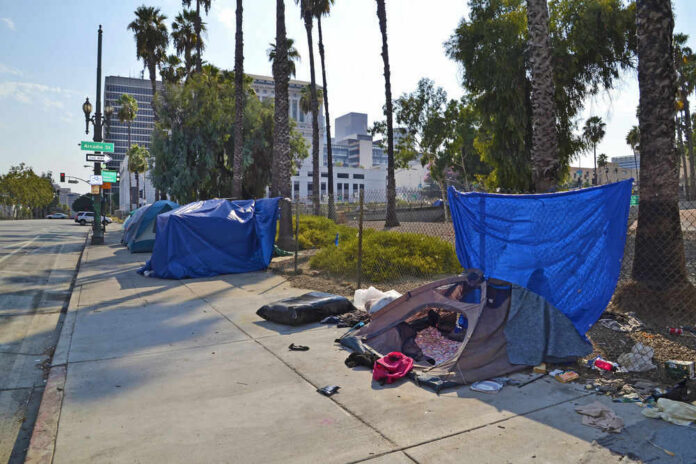
Letters published in the Los Angeles Times argue that Bass’s results continue to fall short of her own promises, stressing that encampments remain highly visible in many neighborhoods despite the administration’s numbers. Critics question whether “resolved encampments” simply mean camps moved from one block to another, or people briefly placed in motels only to drift back out when rooms or services run out. Without long-term tracking of whether people remain housed at six, twelve, and twenty four months, short-term move-in counts risk being glorified churn.
Karen Bass was pressed in a CNN interview over her earlier promise to end street homelessness in Los Angeles by 2026, acknowledging that the goal had not been achieved.
Bass defended her record by pointing to a reported decline in street homelessness, expanded affordable… pic.twitter.com/rvzsIBnrxU
— Hot Takes Nobody Asked For (@HotTakesNobody) May 21, 2026
For conservative readers used to Washington games, the pattern is familiar: set an ambitious goal, pour in hundreds of millions of tax dollars, declare progress using friendly statistics, then blame “bureaucratic barriers” when the visible problem does not go away. Los Angeles taxpayers are left paying for a sprawling homelessness bureaucracy while city leaders dodge precise questions about program efficiency, retention, and how many people actually leave the street for good versus cycling through agencies and hotel vouchers.
Accountability Questions Taxpayers Should Be Asking
Public records from the mayor’s office show a complex network of homelessness initiatives and a balanced budget pitched as continuing “successful strategies” that supposedly lowered both homelessness and crime, yet no independent audit is provided that reconciles dollars spent with citizens’ daily experience on sidewalks and in parks. Residents frustrated with rising costs of living and fears about public safety are justified in demanding an outside review of Inside Safe data, including unique client counts, returns to homelessness, and a clear definition of the touted eighty five percent retention rate.
Constitution-minded conservatives do not oppose helping people in crisis, but they do expect honesty, measurable results, and respect for neighborhoods bearing the burden of failed policies. Bass’s broken 2026 promise underscores how big-government “solutions” often expand agencies while leaving families to navigate unsafe streets and degraded public spaces. Until Los Angeles leaders open their books, release full methodologies, and accept real scrutiny instead of spinning partial gains as total victory, voters will have every reason to question both their competence and their priorities. [2]
Sources:
[1] Web – Mayor Karen Bass sets lofty goal of ending street homelessness in …
[2] Web – Opinion | Bass got some of LA’s homeless people indoors – CalMatters
[3] YouTube – Mayor Bass sets lofty goal of ending street homelessness by 2026