Trump administration officials are privately warning “this could get messy” as the White House escalates pressure on Cuba through new sanctions, an energy blockade, military surveillance, and active contingency planning for possible military action.
Story Snapshot
- President Trump signed an Executive Order in May 2026 imposing new sanctions on Cuban regime officials, citing threats to U.S. national security.
- The administration has implemented an energy blockade against Cuba and positioned warships and troops in the region amid rising tensions.
- U.S. military surveillance activity near Cuba has sharply increased, with spy planes reportedly spotted in the area.
- Administration officials are war-gaming a potential military operation and preparing for a possible collapse of the Cuban regime.
Trump Signs Executive Order Targeting Cuban Regime
President Trump signed an Executive Order on May 29, 2026, imposing new sanctions on Cuban regime officials responsible for repression and threats to U.S. national security. The White House fact sheet states the order broadens existing restrictions using the International Emergency Economic Powers Act, targeting individuals within the Cuban government directly linked to human rights abuses and destabilizing activity. The move signals a deliberate, escalating strategy to force political concessions from Havana rather than accept the status quo of a communist dictatorship ninety miles from American shores.
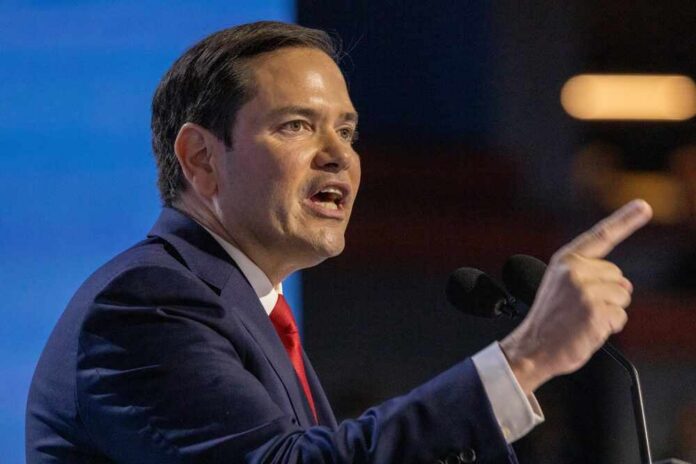
Secretary of State Marco Rubio has expressed deep skepticism that diplomacy alone will produce results with the Cuban regime. Rubio’s doubts carry significant weight given his Cuban-American heritage and firsthand understanding of how Havana has historically used negotiation as a stalling tactic. The administration’s posture reflects a hardened position: the days of the Obama-era diplomatic opening and appeasement of the Castro regime are over, and the Cuban government faces a fundamentally different American government than it has dealt with in recent years.
Energy Blockade and Military Buildup Tighten the Pressure
Beyond sanctions, the Trump administration ordered an energy blockade that has choked off fuel supplies to the island, dramatically increasing economic pressure on a regime already struggling with widespread shortages and public unrest. Reports confirm the United States has positioned warships and troops in the region, while U.S. military surveillance flights near Cuba have sharply intensified. These moves collectively represent a layered coercive campaign designed to signal American seriousness without yet committing to an overt military operation.
Trump himself added a pointed rhetorical signal when he told reporters, in reference to U.S. military engagement with Iran, “We may stop by Cuba after we’re finished with this.” The comment drew immediate international attention and rattled Havana. Cuba’s foreign minister publicly responded to Trump’s threats, warning against any military action. The administration has not publicly authorized a military strike, but according to Axios, officials are actively preparing for a possible collapse of the Cuban government and a military contingency to manage the aftermath.
Contingency Planning Reflects Serious Strategic Intent
Multiple reports indicate the Trump administration is war-gaming military options for Cuba while simultaneously remaining open to a deal centered on the privatization of Cuban state enterprises. According to Politico, the focus officially remains on diplomacy, but military options are firmly on the table. This dual-track approach — maximum economic pressure paired with credible military threat — mirrors the strategy the administration employed in Venezuela before ousting Nicolás Maduro and imposing an energy blockade there.
For conservative Americans who spent years watching the Obama administration ease sanctions and extend goodwill toward the Castro regime with nothing to show for it, this aggressive posture is a welcome departure. Cuba has long harbored fugitives from American justice, supported hostile regimes across Latin America, and operated as a destabilizing force in the Western Hemisphere. Whether the administration ultimately moves beyond sanctions and surveillance into direct military action remains unclear, but the strategic groundwork is being laid deliberately and methodically. As one official’s candid warning captured it — this could get messy — the Trump team appears to be proceeding with eyes open.
Sources:
[1] Web – ‘This Could Get Messy’…
[2] YouTube – Trump Positions Warships And Troops Near Cuba Amid Invasion …
[3] Web – Trump ramps up Cuba pressure, building case for military action
[4] Web – Trump Admin Is Reportedly Laying Groundwork for a Military …
[5] Web – Rubio doubtful of diplomacy with Cuba as Trump raises new threat …
[6] YouTube – US-Cuba Tensions: Donald Trump Signals Invasion On Havana …
[7] YouTube – Trump Plans “Friendly” Takeover Of CUBA
[8] Web – President Donald J. Trump Imposes Sanctions on Cuban Regime …
[9] Web – Trump administration considering military options in Cuba, but focus …
[10] YouTube – US Makes First Cuba War Move? ‘Spy Planes Spotted’ Amid Trump’s …
[11] Web – US Considers Military Options for Cuba While Focusing … – Kyiv Post